
Disclosure: As an Amazon Associate, Bookish Wisdom earns from qualifying purchases. This doesn't change our picks or your price.
Quick answer: If you loved Zero to One, try The Lean Startup, The Hard Thing About Hard Things, Good to Great, The Innovator's Dilemma, Shoe Dog and The Everything Store. Each one offers sharp thinking on startups, innovation and building something truly new.
Peter Thiel's 2014 book, written with Blake Masters from his Stanford startup course, argues that real progress comes from creating something new, going from zero to one, rather than copying what exists. Thiel praises monopolies built on unique technology, asks “What important truth do very few people agree with you on?” and urges founders to plan for the long term. Readers love its contrarian ideas. These books share its startup thinking and its bold questions.
Table of Contents
Quick Picks at a Glance
| Book | Author | Focus | Best For |
|---|---|---|---|
| The Lean Startup | Eric Ries | Method | readers who want a practical startup process |
| The Hard Thing About Hard Things | Ben Horowitz | Leadership | readers who want honest founder advice |
| Good to Great | Jim Collins | Strategy | readers who like research on great companies |
| The Innovator's Dilemma | Clayton M. Christensen | Innovation | readers who like disruption theory |
| Shoe Dog | Phil Knight | Memoir | readers who want a founder's story |
| The Everything Store | Brad Stone | Biography | readers who like company histories |
| Elon Musk | Walter Isaacson | Biography | readers who want a modern founder |
| Steve Jobs | Walter Isaacson | Biography | readers who want the classic founder story |
| Blitzscaling | Reid Hoffman and Chris Yeh | Growth | readers who like hypergrowth |
| Crossing the Chasm | Geoffrey A. Moore | Marketing | readers who sell technology |
| The Mom Test | Rob Fitzpatrick | Customers | readers who want to talk to customers |
| Rework | Jason Fried and David Heinemeier Hansson | Contrarian | readers who like short, sharp advice |
| High Growth Handbook | Elad Gil | Scaling | readers whose startups are growing |
| Measure What Matters | John Doerr | Goals | readers who want goal systems |
| The Cold Start Problem | Andrew Chen | Networks | readers who build platforms |
1. The Lean Startup by Eric Ries
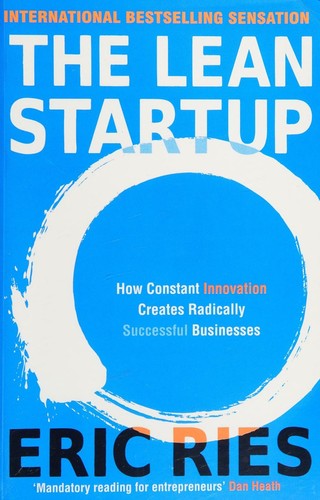
How to test ideas quickly and learn from customers.
Best for: readers who want a practical startup process.
2. The Hard Thing About Hard Things by Ben Horowitz
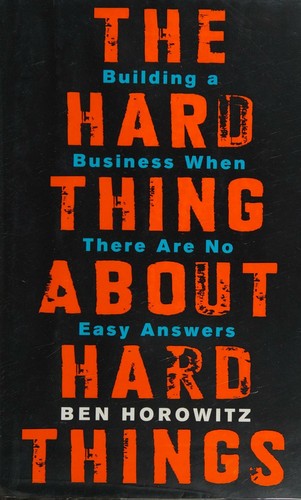
A venture capitalist on leading through crisis.
Best for: readers who want honest founder advice.
3. Good to Great by Jim Collins
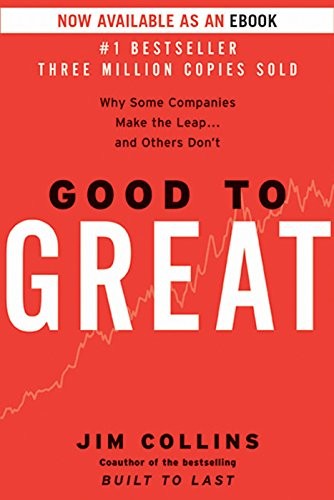
What separates great companies from good ones.
Best for: readers who like research on great companies.
4. The Innovator's Dilemma by Clayton M. Christensen

Why successful companies fail to adapt.
Best for: readers who like disruption theory.
5. Shoe Dog by Phil Knight
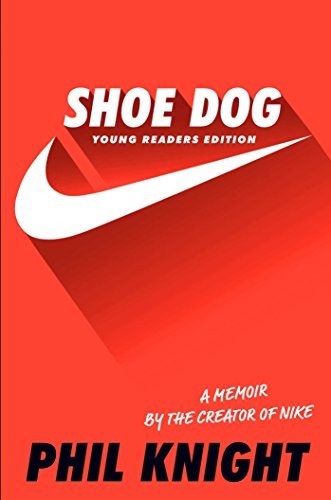
Nike's founder tells its early story.
Best for: readers who want a founder's story.
6. The Everything Store by Brad Stone
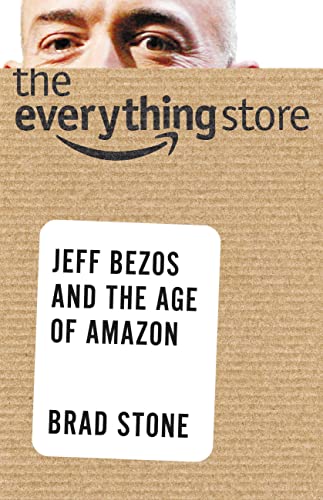
How Jeff Bezos built Amazon.
Best for: readers who like company histories.
7. Elon Musk by Walter Isaacson
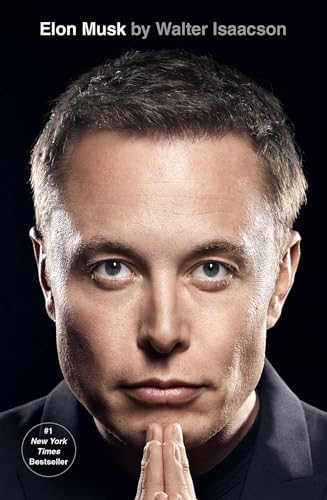
A biography of Musk and his companies.
Best for: readers who want a modern founder.
8. Steve Jobs by Walter Isaacson
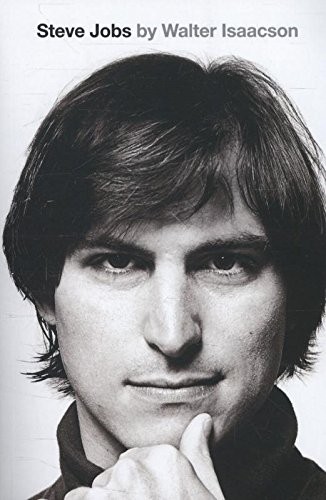
The life of Apple's co-founder.
Best for: readers who want the classic founder story.
9. Blitzscaling by Reid Hoffman and Chris Yeh
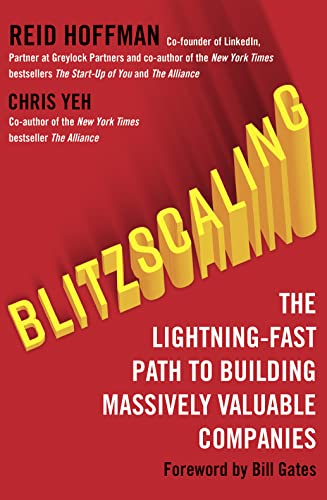
How companies scale fast.
Best for: readers who like hypergrowth.
10. Crossing the Chasm by Geoffrey A. Moore
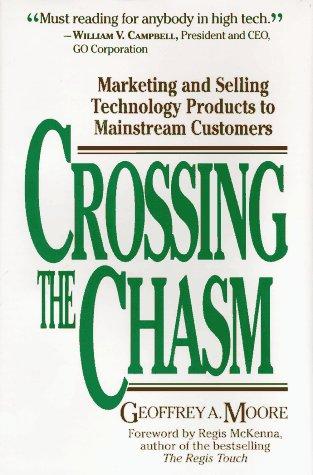
How tech products reach mainstream buyers.
Best for: readers who sell technology.
11. The Mom Test by Rob Fitzpatrick
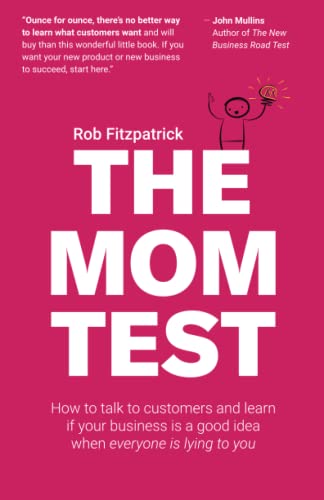
How to ask customers questions that get honest answers.
Best for: readers who want to talk to customers.
12. Rework by Jason Fried and David Heinemeier Hansson
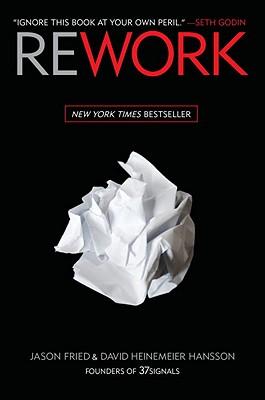
Unconventional advice from Basecamp's founders.
Best for: readers who like short, sharp advice.
13. High Growth Handbook by Elad Gil
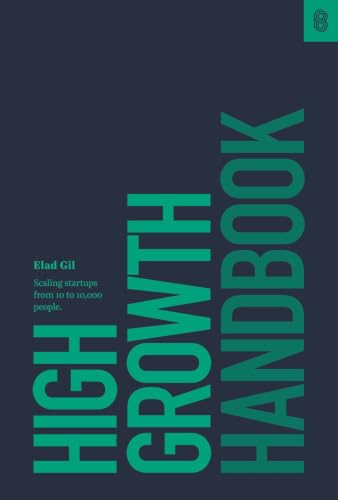
Advice on scaling a startup.
Best for: readers whose startups are growing.
14. Measure What Matters by John Doerr
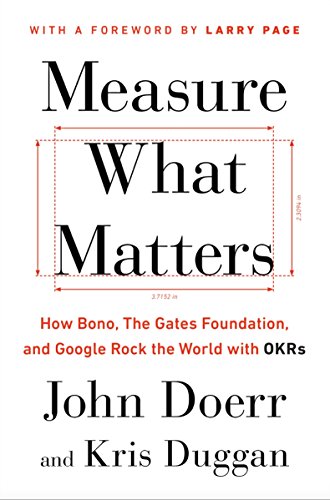
How OKRs helped companies like Google.
Best for: readers who want goal systems.
15. The Cold Start Problem by Andrew Chen
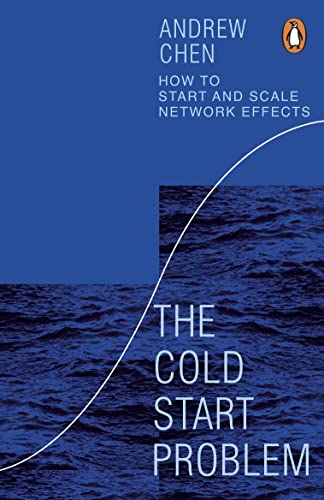
How network effects get started.
Best for: readers who build platforms.
How We Chose These Books
Every pick is a real, widely available book that shares something specific with Zero to One: its tone, its themes, its pace or the kind of characters it puts at the center. We mixed well-known favorites with a few less obvious titles, and we noted who each book suits best so you can match it to the reader. Where a book belongs to a series, we list the first volume so you can start at the beginning.
If you are not sure where to begin, start with the first three picks in the table: they are the closest match to Zero to One. The rest of the list moves further out, so it works well once you know which part of the original you liked most. If a pick is part of a longer series, read the first book before you commit, and check the age or content notes in the table before passing a book to a younger reader.
How to Choose
For a practical method to pair with Thiel's big ideas, read The Lean Startup and The Mom Test. If you want real founder stories, Shoe Dog and The Hard Thing About Hard Things are honest and gripping. The Innovator's Dilemma explains why incumbents miss new ideas. For growth, try Blitzscaling or The Cold Start Problem.
Related: Zero to One by Peter Thiel: Summary and Key Takeaways · The Lean Startup by Eric Ries: Summary and Key Takeaways
Frequently Asked Questions
What is Zero to One about?
Peter Thiel argues that startups should create new things rather than copy, and build lasting monopolies.
What does “zero to one” mean?
Going from nothing to something truly new, as opposed to scaling existing ideas.
Where did the book come from?
It grew from notes Blake Masters took in Thiel's Stanford class.
What is Thiel's famous interview question?
“What important truth do very few people agree with you on?”
Is Zero to One good for beginners?
Yes. It is short and readable, though its views are opinionated.
Who is Peter Thiel?
A co-founder of PayPal and an early investor in Facebook.
Is Zero to One controversial?
Some readers disagree with its praise of monopolies.