

Disclosure: As an Amazon Associate, Bookish Wisdom earns from qualifying purchases. This doesn’t change our picks or your price.
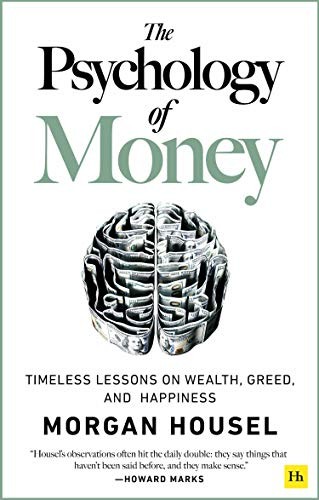
TL;DR: The Psychology of Money by Morgan Housel argues that doing well with money has less to do with intelligence and more to do with behavior. Through short stories about luck, risk, compounding and enough, Housel shows why patience, humility and a margin of safety matter more than spreadsheets or hot tips.
The Psychology of Money became a modern classic of personal finance by doing something unusual: it barely talks about formulas. Morgan Housel, a former columnist for The Motley Fool and The Wall Street Journal, tells twenty short stories about how people think about money, and why smart people often make poor decisions. The tone is calm, curious and humble, which is why many readers recommend it to friends who say they don’t like finance books. Here’s a complete summary of the main ideas. This is a summary of a book’s concepts, not financial advice.
Table of Contents
The Psychology of Money at a Glance
| Detail | Info |
|---|---|
| Author | Morgan Housel |
| Published | 2020 |
| Genre | Personal finance, psychology |
| Core idea | Behavior matters more than knowledge |
| Structure | Twenty short chapters |
| Best for | Readers who want a mindset guide to saving, investing and wealth |
What Is The Psychology of Money About?
Housel starts from the idea that money is not a math problem but a behavior problem. Everyone has different experiences with money, depending on when they were born, who they grew up with and what happened in their lives, so each person’s view feels logical to them. He says that no one is crazy: people make financial decisions based on their own history, and understanding that helps us be more patient with others and ourselves.
The book is short and made up of stand-alone chapters, each with a story and a lesson. Housel avoids detailed advice, instead offering ways of thinking: about luck and risk, about when enough is enough, about the power of time and about the importance of saving without a specific goal.
Key Ideas, Part by Part
Luck, Risk and Humility
The early chapters introduce the role of luck and risk. Housel shares the story of Bill Gates, who attended one of the few high schools in the world with a computer in the 1960s, and of his friend Kent Evans, who was equally talented but died young. Both luck and risk, he says, are hard to see, so we tend to credit success to skill and blame failure on mistakes.
He recommends humility when things go well and compassion when they go badly. He also urges readers to focus less on specific individuals as models and more on broad patterns, since extreme successes and failures are often outliers.
Never Enough and Getting Wealthy Versus Staying Wealthy
In the chapter on enough, Housel tells of wealthy people who risked everything for more and lost it. The lesson is that no amount of extra money is worth the risk of losing what you have and need. He calls this the hardest financial skill: getting the goalpost to stop moving.
He then distinguishes between getting wealthy, which requires taking risks and being optimistic, and staying wealthy, which requires frugality, paranoia and humility. Survival, he says, is the most important factor, because it allows compounding to work.
Compounding, Tails and Saving
Housel uses Warren Buffett to illustrate compounding. Most of Buffett’s wealth came after his sixtieth birthday, because he started investing as a child and kept going for decades. The lesson is that time can matter more than returns.
The book also describes tails, in which a small number of events drive most outcomes. In investing, a few big winners often account for most of the gains, so you must tolerate many small failures. He adds that saving is a form of freedom and doesn’t need a specific purpose: money you don’t spend gives you options, which is the highest form of wealth.
Reasonable Versus Rational and Room for Error
Housel argues that it’s often better to be reasonable than rational. A strategy that is mathematically optimal but that you cannot stick to is worse than one that is a bit less efficient but lets you sleep at night. He uses the example of paying off a mortgage early, which may not maximize returns but feels good.
He also stresses room for error: a margin of safety that lets you survive surprises. Planning for things to go wrong, saving more than you think you need and avoiding single points of failure protect you from the unpredictable. Finally, he notes that you will change, so avoid locking in long-term plans based on the person you are today.
Pessimism, Stories and Confessions
Housel observes that pessimism sounds smarter than optimism, since warnings feel urgent and progress is gradual. Yet he argues that optimism is the better long-term bet because most progress happens slowly and invisibly.
Near the end, he explains how people believe stories that feel right, and he closes with a confession about his own financial habits: he keeps a lot of cash and avoids debt, even though it may not be optimal. The point is to design a plan that fits your psychology.
7 Key Takeaways From The Psychology of Money
- Behavior beats knowledge. How you act with money matters more than how much you know.
- Luck and risk are real. Be humble about success and kind about failure.
- Know your enough. Chasing more can cost you what you already have.
- Time is the engine of wealth. Compounding works best with patience and survival.
- Save without a reason. Savings buy independence and options.
- Be reasonable. Choose a strategy you can stick with, not just the theoretically best one.
- Leave room for error. Margins of safety protect you from surprises.
Ideas Worth Remembering
- Showing off wealth is one of the fastest ways to end up with less of it. (paraphrased)
- Real wealth is often what you don’t see: the purchases you didn’t make. (paraphrased)
- The highest return on money is the freedom to choose how you spend your time. (paraphrased)
- Earning money is one skill and keeping it is another. (paraphrased)
How to Apply The Psychology of Money in Real Life
- Define enough. Write down how much money would let you live comfortably, and remind yourself when you want more.
- Automate saving. Set up a regular transfer so saving happens before spending.
- Build a cushion. Aim to keep several months of expenses in cash for surprises.
- Plan for the long term. Choose a simple, diversified approach you can stick with for decades.
- Review your story. Ask how your upbringing shapes your reactions to money.
Criticisms and Limits
Some readers say that The Psychology of Money offers little practical detail, such as how to build a portfolio or choose accounts. It is about mindset, and it reads more like essays than a how-to guide. Others note that the advice to save and be patient is easier for people with stable incomes, and doesn’t address those who struggle to make ends meet.
The book’s anecdotes also sometimes simplify complex events, and its optimism about long-term markets may not fit every situation. Still, many readers appreciate its humility and clarity, and it pairs well with a practical guide to investing.
Stories From the Book
Several stories stay with readers. Housel tells of Ronald Read, a janitor and gas station attendant who died in 2014 leaving about $8 million, most of which he built by living frugally and investing patiently in stocks, and he contrasts him with Richard Fuscone, a Merrill Lynch executive whose big bets led to bankruptcy. He shares the story of the Buffett compounding chart and of investors who overreacted to recessions. These contrasts show that behavior and time can matter more than education or income.
Housel’s Other Writing
Morgan Housel’s later book, Same as Ever, expands on timeless behaviors that shape money and life, such as how people remain optimistic even in downturns, and why calm often leads to chaos. He also writes essays for the Collaborative Fund, where he’s a partner. His style is straightforward and story-driven, avoiding jargon, and many readers find that his essays offer a good preview of the book. If you like The Psychology of Money, reading his shorter pieces is a good next step.
How to Use the Book With Family
Because the chapters are short, many people read them together. Parents can use a chapter a week to start a conversation with teens about saving, spending and risk. Couples may use it to talk about their different money habits, noting that each person’s history shapes their feelings. A good question to ask is what did money mean in your childhood home? Understanding the answers can lower conflict and help you build a shared plan.
Discussion Questions
To get more from the book, consider: What is your enough? When have you seen luck or risk matter in someone’s success? Which story felt most relevant to your life? How do you tend to react when markets or the economy fall? What small habit could give you more room for error? Is there a goal you chase that may cost more than it’s worth? Writing short answers can reveal patterns in your behavior, and discussing them with someone you trust can help you stick to your plans.
Who Should Read The Psychology of Money?
Read it if you feel anxious about money, if you want to understand why you make the choices you do or if you’ve found other finance books dry. It’s short enough to finish in a few evenings and works well as a gift. If you want specific instructions on investing, retirement accounts or budgeting, add a practical book, such as The Simple Path to Wealth.
What to Read Next
- Same as Ever by Morgan Housel Housel’s follow-up on timeless behaviors
- The Simple Path to Wealth by J.L. Collins a practical guide to low-cost index investing
- I Will Teach You to Be Rich by Ramit Sethi a step-by-step system for automating your finances
Related: books like The Psychology of Money and Same as Ever summary and key takeaways.
Frequently Asked Questions
What is the main idea of The Psychology of Money?
That behavior, not intelligence or knowledge, is the main driver of financial success, and that humility, patience and a margin of safety matter most.
Is The Psychology of Money good for beginners?
Yes. It uses stories rather than jargon and is easy to read.
What does Housel mean by enough?
Knowing when you have enough, so you don’t risk what you have for what you don’t need.
Does the book give investment advice?
Not specific advice. It focuses on mindset and behavior.
What should I read after The Psychology of Money?
Try Same as Ever for more timeless lessons or The Simple Path to Wealth for practical investing.