

Disclosure: As an Amazon Associate, Bookish Wisdom earns from qualifying purchases. This doesn’t change our picks or your price.
Quick answer: If you loved The Psychology of Money by Morgan Housel, try Same as Ever by Morgan Housel, Thinking, Fast and Slow by Daniel Kahneman, The Millionaire Next Door by Thomas J. Stanley and William D. Danko, Die With Zero by Bill Perkins, The Simple Path to Wealth by JL Collins and Thinking in Bets by Annie Duke.
The Psychology of Money is one of the most recommended finance books of recent years. The books below share its focus on behavior, decision-making, risk and living a good life with money. They mix personal finance, behavioral economics and big-picture thinking.
Table of Contents
Why Readers Love The Psychology of Money
The Psychology of Money became a modern classic by arguing that doing well with money has less to do with intelligence and more to do with behavior. Morgan Housel tells short, memorable stories about luck, risk, compounding and enough, and shows why patience and humility build wealth. It’s calm, wise and refreshingly free of hype. If you loved its stories and perspective, these picks continue the conversation.
How We Chose These Books
Every pick below shares at least one thing readers loved about The Psychology of Money: its characters, its mood, its setting or the questions it raises. We mixed well-known favorites with a few less obvious choices, and we noted the genre and who each book suits best in the table, so you can scan for the right fit before you read the blurbs.
We kept every description spoiler-free and flagged mature content where it matters, since some of these books are written for adults and others suit teens. If you’re not sure where to start, the tips near the end of this list match each pick to what you loved most. The FAQ at the bottom answers the questions readers ask most often.
Quick Picks at a Glance
| Book | Author | Category | Best For |
|---|---|---|---|
| Same as Ever | Morgan Housel | Big ideas | More Housel |
| Thinking, Fast and Slow | Daniel Kahneman | Psychology | Behavioral economics |
| The Millionaire Next Door | Thomas J. Stanley and William D. Danko | Personal finance | Quiet wealth |
| Die With Zero | Bill Perkins | Personal finance | Enough |
| The Simple Path to Wealth | JL Collins | Investing | Simple investing |
| Thinking in Bets | Annie Duke | Decision-making | Luck and risk |
| Your Money or Your Life | Vicki Robin and Joe Dominguez | Personal finance | Money and meaning |
| Fooled by Randomness | Nassim Nicholas Taleb | Big ideas | Luck in markets |
| Misbehaving | Richard H. Thaler | Behavioral economics | Human quirks |
| Predictably Irrational | Dan Ariely | Psychology | Irrational decisions |
| The Little Book of Common Sense Investing | John C. Bogle | Investing | Index funds |
| Four Thousand Weeks | Oliver Burkeman | Philosophy | Time and enough |
| I Will Teach You to Be Rich | Ramit Sethi | Personal finance | Practical plans |
| The Almanack of Naval Ravikant | Eric Jorgenson | Big ideas | Wealth and happiness |
| A Random Walk Down Wall Street | Burton G. Malkiel | Investing | Market history |
1. Same as Ever by Morgan Housel
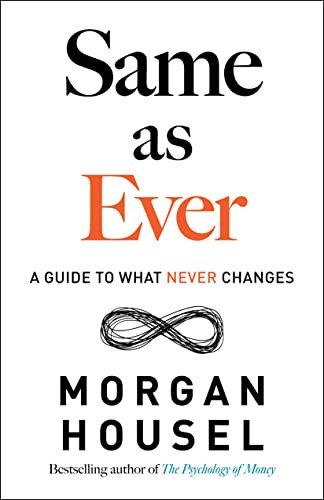
Housel explores the timeless patterns that drive human behavior and history.
2. Thinking, Fast and Slow by Daniel Kahneman
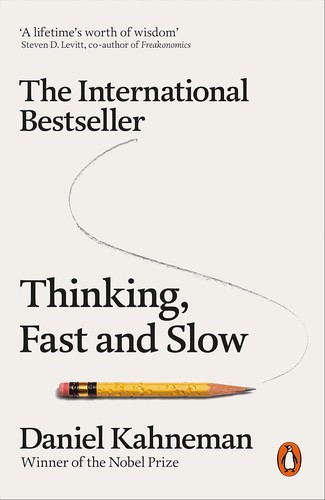
A Nobel Prize winner explains the two systems that drive our thinking and biases.
3. The Millionaire Next Door by Thomas J. Stanley and William D. Danko
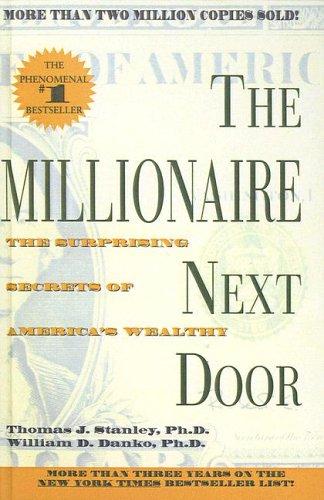
Most millionaires live modestly and avoid flashy spending.
4. Die With Zero by Bill Perkins
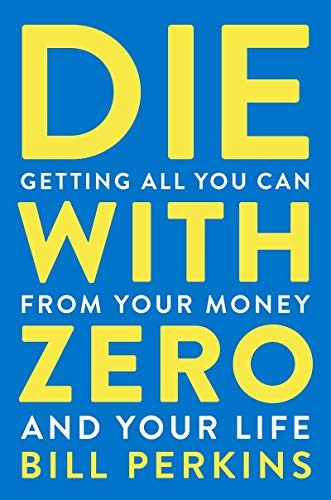
Perkins argues for spending on experiences while you can enjoy them.
5. The Simple Path to Wealth by JL Collins
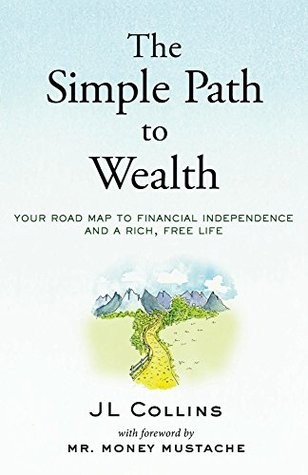
A clear guide to index-fund investing and financial independence.
6. Thinking in Bets by Annie Duke
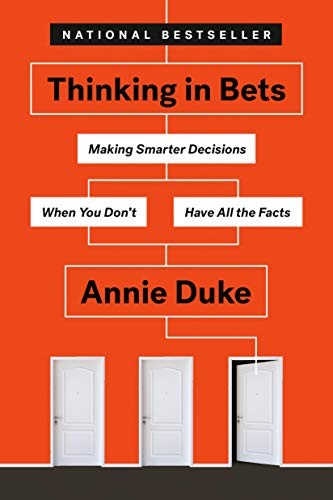
A former poker champion explains how to make decisions under uncertainty.
7. Your Money or Your Life by Vicki Robin and Joe Dominguez
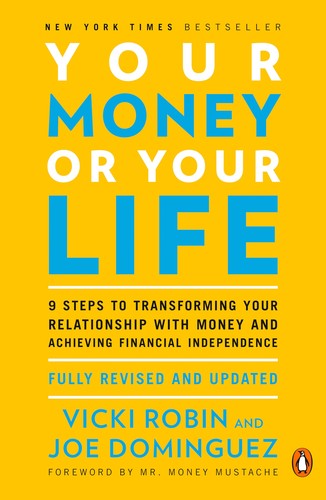
A classic on aligning spending with your values.
8. Fooled by Randomness by Nassim Nicholas Taleb
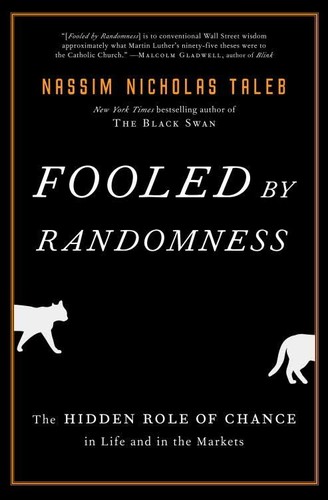
Taleb shows how much we underestimate chance.
9. Misbehaving by Richard H. Thaler

A Nobel Prize winner tells how behavioral economics was born.
10. Predictably Irrational by Dan Ariely
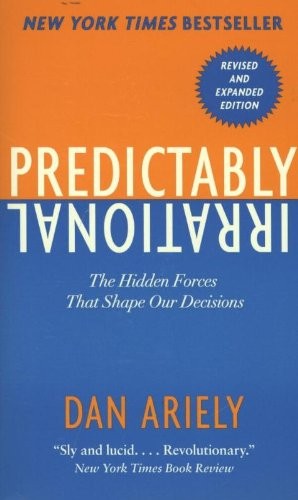
Ariely shows the predictable ways we make bad choices.
11. The Little Book of Common Sense Investing by John C. Bogle

Bogle makes the case for low-cost index funds.
12. Four Thousand Weeks by Oliver Burkeman
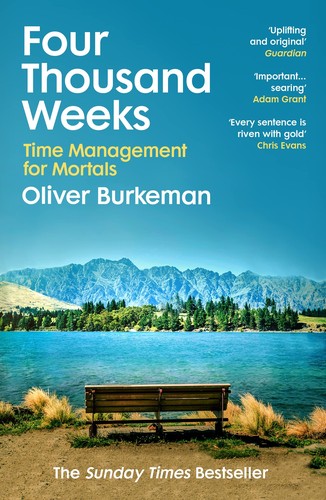
Burkeman explores making peace with limited time.
13. I Will Teach You to Be Rich by Ramit Sethi
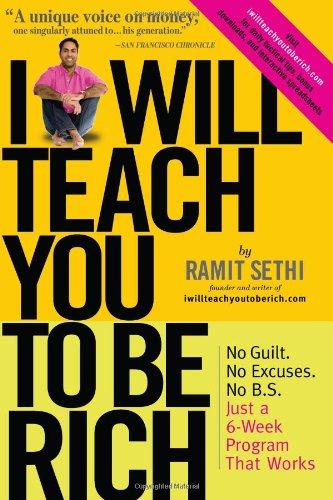
A step-by-step plan to automate your finances.
14. The Almanack of Naval Ravikant by Eric Jorgenson
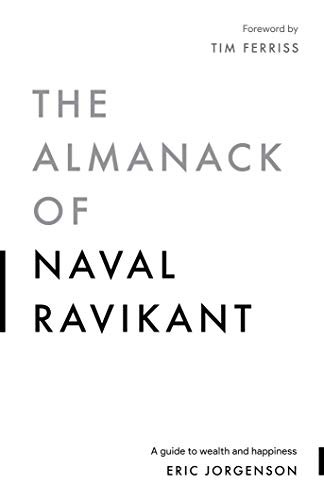
Naval Ravikant’s ideas on building wealth and living well.
15. A Random Walk Down Wall Street by Burton G. Malkiel
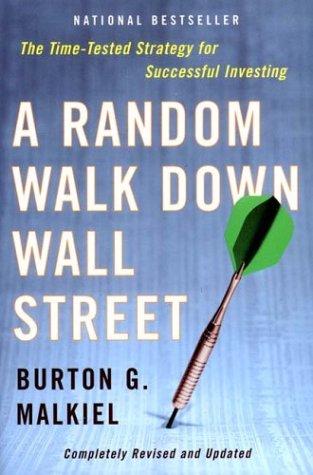
A classic explanation of why markets are hard to beat.
How to Pick Your Next Read After The Psychology of Money
- Want more Housel? Same as Ever.
- Want the psychology? Thinking, Fast and Slow.
- Want practical steps? I Will Teach You to Be Rich.
- Want simple investing? The Simple Path to Wealth.
- Want to think about enough? Die With Zero and Four Thousand Weeks.
- Read slowly. These ideas are worth applying.
Turning Ideas Into Habits
The Psychology of Money is a book of ideas rather than a step-by-step plan, which is why pairing it with a practical guide works so well. After reading, many people pick one change, such as automating savings, building an emergency fund or setting a simple investment plan, and stick with it. Books like I Will Teach You to Be Rich and The Simple Path to Wealth help turn Housel’s mindset into concrete steps.
Related: Same as Ever summary and books like Rich Dad Poor Dad.
Frequently Asked Questions
What should I read after The Psychology of Money?
Try Same as Ever, Thinking, Fast and Slow, The Millionaire Next Door or Die With Zero.
Is Same as Ever a sequel to The Psychology of Money?
It’s not a sequel, but it shares Housel’s style of short stories about timeless lessons.
What is a good book on behavioral economics?
Thinking, Fast and Slow by Daniel Kahneman and Misbehaving by Richard H. Thaler are classics.