

Disclosure: As an Amazon Associate, Bookish Wisdom earns from qualifying purchases. This doesn’t change our picks or your price.
Quick answer: If you loved Rich Dad Poor Dad by Robert T. Kiyosaki, try The Psychology of Money by Morgan Housel, The Millionaire Next Door by Thomas J. Stanley and William D. Danko, I Will Teach You to Be Rich by Ramit Sethi, The Simple Path to Wealth by JL Collins, The Richest Man in Babylon by George S. Clason and Your Money or Your Life by Vicki Robin and Joe Dominguez.
Rich Dad Poor Dad is one of the best-selling personal finance books ever. The books below share its focus on money mindset, building wealth and financial independence, and many add practical, research-based steps. They range from timeless classics to modern guides.
Table of Contents
Why Readers Love Rich Dad Poor Dad
Rich Dad Poor Dad changed how millions of people think about money. Robert Kiyosaki contrasts the lessons of his own father, a highly educated but struggling employee, with those of his best friend’s father, a business owner. The book’s simple ideas, that assets put money in your pocket and liabilities take it out, and that the wealthy make money work for them, inspired readers to learn about investing. If you loved its mindset shift, these picks build on it with more practical advice.
How We Chose These Books
Every pick below shares at least one thing readers loved about Rich Dad Poor Dad: its characters, its mood, its setting or the questions it raises. We mixed well-known favorites with a few less obvious choices, and we noted the genre and who each book suits best in the table, so you can scan for the right fit before you read the blurbs.
We kept every description spoiler-free and flagged mature content where it matters, since some of these books are written for adults and others suit teens. If you’re not sure where to start, the tips near the end of this list match each pick to what you loved most. The FAQ at the bottom answers the questions readers ask most often.
Quick Picks at a Glance
| Book | Author | Category | Best For |
|---|---|---|---|
| The Psychology of Money | Morgan Housel | Personal finance | Money mindset |
| The Millionaire Next Door | Thomas J. Stanley and William D. Danko | Personal finance | How wealth really works |
| I Will Teach You to Be Rich | Ramit Sethi | Personal finance | Practical steps |
| The Simple Path to Wealth | JL Collins | Investing | Simple investing |
| The Richest Man in Babylon | George S. Clason | Classic | Timeless parables |
| Your Money or Your Life | Vicki Robin and Joe Dominguez | Personal finance | Financial independence |
| Think and Grow Rich | Napoleon Hill | Self-help | Success mindset |
| The Total Money Makeover | Dave Ramsey | Personal finance | Getting out of debt |
| Money: Master the Game | Tony Robbins | Investing | Big-picture investing |
| The Intelligent Investor | Benjamin Graham | Investing | Value investing classic |
| Die With Zero | Bill Perkins | Personal finance | Spending with purpose |
| The Wealthy Barber | David Chilton | Personal finance | Story-based lessons |
| Same as Ever | Morgan Housel | Big ideas | Timeless lessons |
| Broke Millennial | Erin Lowry | Personal finance | Young adults |
| The Little Book of Common Sense Investing | John C. Bogle | Investing | Index funds |
1. The Psychology of Money by Morgan Housel
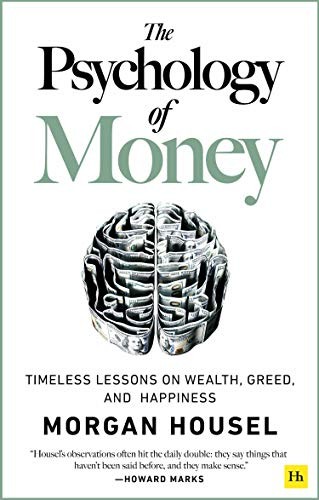
Housel shows that how we behave with money matters more than what we know. It’s wise and readable.
2. The Millionaire Next Door by Thomas J. Stanley and William D. Danko
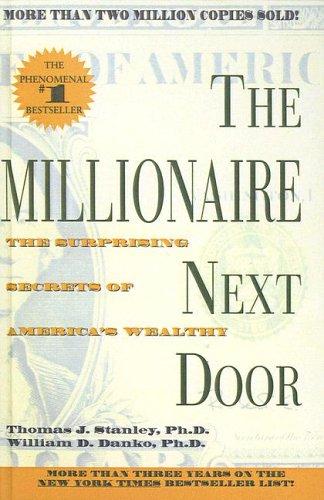
Research shows that most millionaires live modestly and save consistently.
3. I Will Teach You to Be Rich by Ramit Sethi
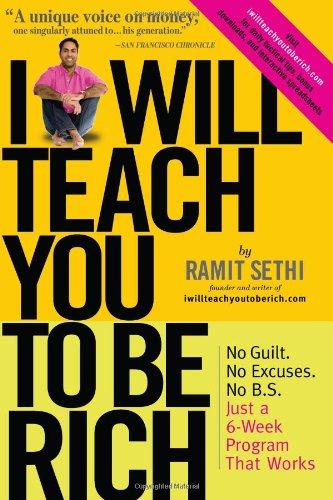
Sethi gives a six-week plan for automating savings and investing.
4. The Simple Path to Wealth by JL Collins
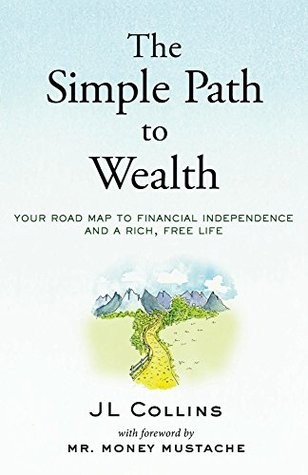
Collins explains index-fund investing and financial independence in plain language.
5. The Richest Man in Babylon by George S. Clason
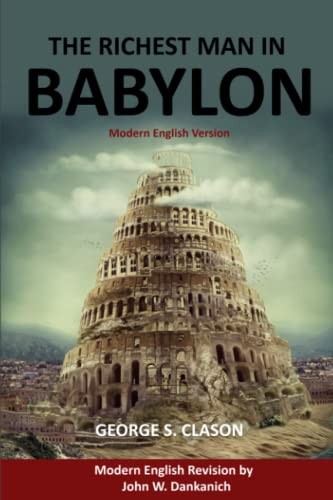
Ancient Babylonian parables teach saving, investing and avoiding debt.
6. Your Money or Your Life by Vicki Robin and Joe Dominguez
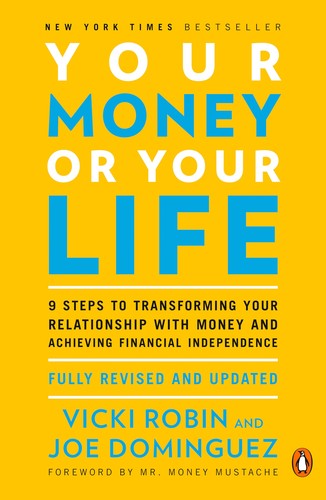
A classic on aligning money with your values and reaching independence.
7. Think and Grow Rich by Napoleon Hill
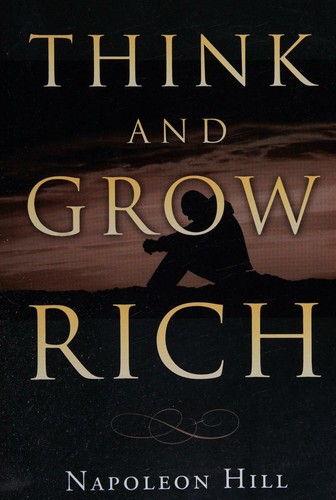
Hill’s classic distills lessons from successful people.
8. The Total Money Makeover by Dave Ramsey

Ramsey’s step-by-step plan to pay off debt and build savings.
9. Money: Master the Game by Tony Robbins
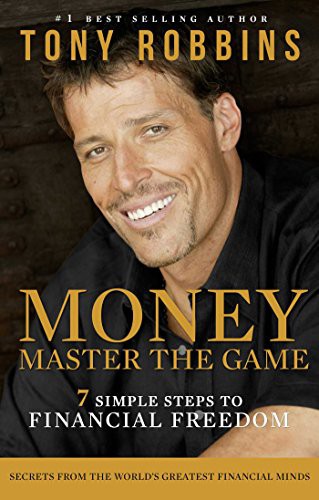
Robbins interviews top investors about building wealth.
10. The Intelligent Investor by Benjamin Graham
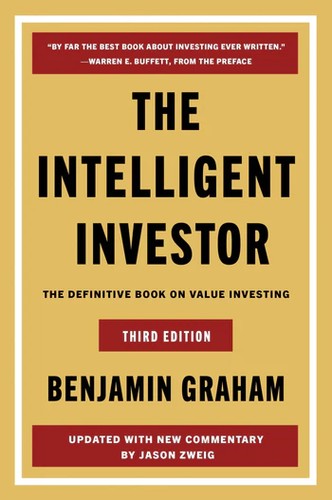
The classic guide to value investing that Warren Buffett called the best investing book.
11. Die With Zero by Bill Perkins
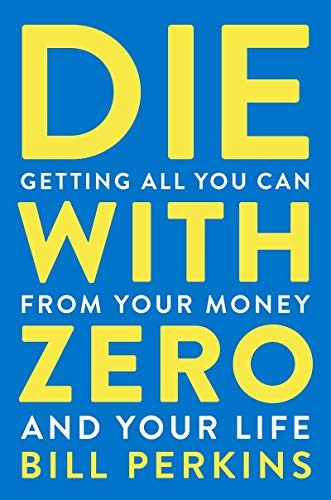
Perkins argues for using money to create life experiences.
12. The Wealthy Barber by David Chilton

Financial lessons told through conversations in a barbershop.
13. Same as Ever by Morgan Housel
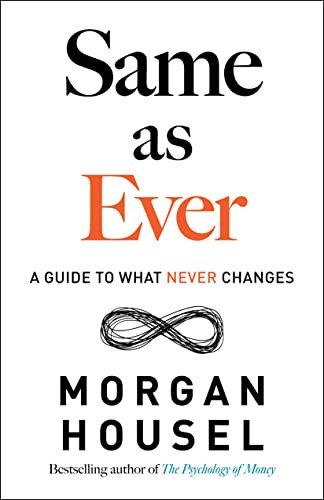
Housel explores what never changes in a changing world.
14. Broke Millennial by Erin Lowry
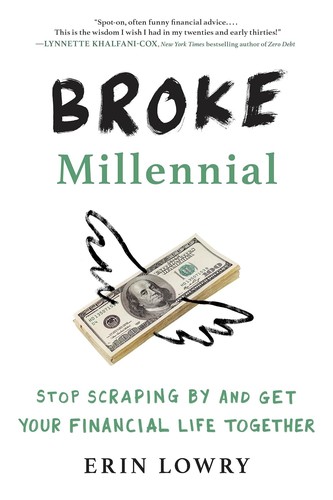
A practical guide for young people starting out with money.
15. The Little Book of Common Sense Investing by John C. Bogle

The founder of Vanguard explains why low-cost index funds win.
How to Pick Your Next Money Book
- Want mindset? The Psychology of Money.
- Want a plan? I Will Teach You to Be Rich.
- In debt? The Total Money Makeover.
- Want to invest? The Simple Path to Wealth and Bogle.
- Want classics? The Richest Man in Babylon.
- Check advice carefully. Combine inspiration with evidence-based guides.
A Balanced Way to Read Money Books
Rich Dad Poor Dad is great at changing how people think about money, but critics point out that it offers few specific, verifiable details and some risky advice. A smart approach is to pair motivational books like it with practical, evidence-based guides such as The Simple Path to Wealth or I Will Teach You to Be Rich. Before making big financial decisions, especially about investing or real estate, it’s worth checking the advice against reputable sources or a licensed professional.
Related: The Simple Path to Wealth summary and Your Money or Your Life summary.
Frequently Asked Questions
What should I read after Rich Dad Poor Dad?
Try The Psychology of Money, The Millionaire Next Door, I Will Teach You to Be Rich or The Simple Path to Wealth.
Is Rich Dad Poor Dad good advice?
It’s inspiring for changing money mindsets, but critics say it lacks specific, verifiable advice. Pair it with practical guides.
What is a good first investing book?
The Simple Path to Wealth by JL Collins and The Little Book of Common Sense Investing by John C. Bogle are great starting points.