
Disclosure: As an Amazon Associate, Bookish Wisdom earns from qualifying purchases. This doesn't change our picks or your price.
Quick answer: If you read Essentialism, read Greg McKeown's Effortless, then Deep Work, Digital Minimalism, The One Thing and Four Thousand Weeks. All help you do less, focus better and spend time on what matters most.
Greg McKeown's 2014 book argues that most of us spread ourselves too thin and should pursue only what is essential, making clear trade-offs and saying no without guilt. It is clear, calming and practical. The books below offer similar guidance on focus, simplicity and living with intention.
Table of Contents
Quick Picks at a Glance
| Book | Author | Ages | Best For |
|---|---|---|---|
| Effortless | Greg McKeown | Adult | the follow-up |
| Deep Work | Cal Newport | Adult | focus |
| Digital Minimalism | Cal Newport | Adult | less screen time |
| The One Thing | Gary Keller and Jay Papasan | Adult | single priority |
| Four Thousand Weeks | Oliver Burkeman | Adult | time and limits |
| Atomic Habits | James Clear | Adult | small daily changes |
| Make Time | Jake Knapp and John Zeratsky | Adult | daily focus |
| The Life-Changing Magic of Tidying Up | Marie Kondo | Adult | declutter |
| Goodbye, Things | Fumio Sasaki | Adult | minimalism |
| Stillness Is the Key | Ryan Holiday | Adult | calm and focus |
| Meditations | Marcus Aurelius | Adult | Stoic reflection |
| Drive | Daniel H. Pink | Adult | motivation |
| The 7 Habits of Highly Effective People | Stephen R. Covey | Adult | principles of effectiveness |
| The Gifts of Imperfection | Brene Brown | Adult | self-acceptance |
| High Output Management | Andy Grove | Adult | management basics |
1. Effortless by Greg McKeown
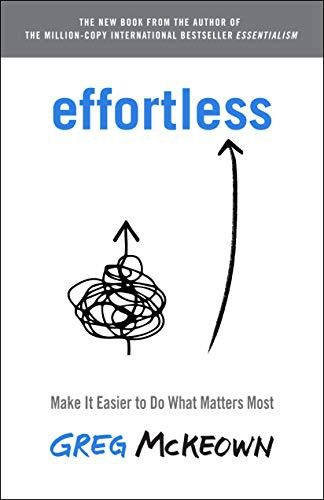
McKeown argues for making the essential easy. A gentle sequel.
Best for: the follow-up.
2. Deep Work by Cal Newport
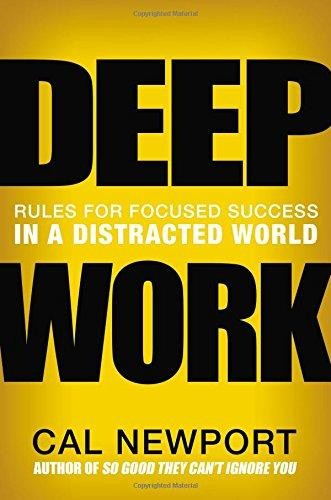
Newport argues that deep focus is rare and valuable. Practical and convincing.
Best for: focus.
3. Digital Minimalism by Cal Newport
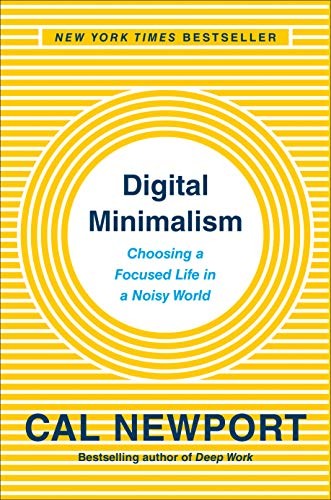
Newport offers a philosophy for living well with technology. Practical and thoughtful.
Best for: less screen time.
4. The One Thing by Gary Keller and Jay Papasan
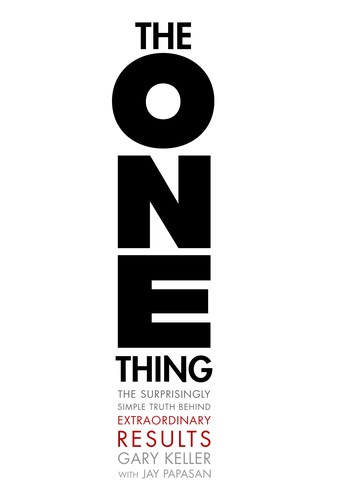
The authors argue for focusing on one task at a time. Short and motivating.
Best for: single priority.
5. Four Thousand Weeks by Oliver Burkeman
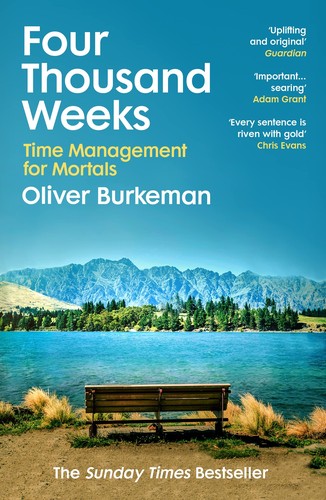
Burkeman argues that we can never do everything, so we must choose. Wise and gentle.
Best for: time and limits.
6. Atomic Habits by James Clear
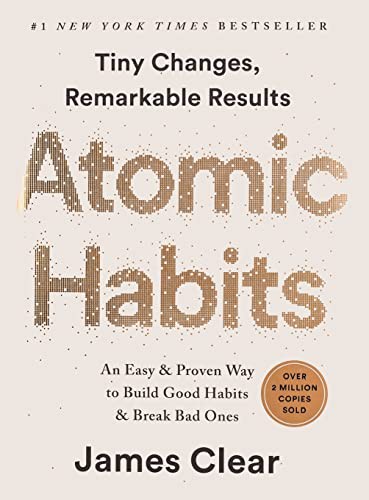
Clear shows how tiny habits add up to big results. Practical and widely loved.
Best for: small daily changes.
7. Make Time by Jake Knapp and John Zeratsky
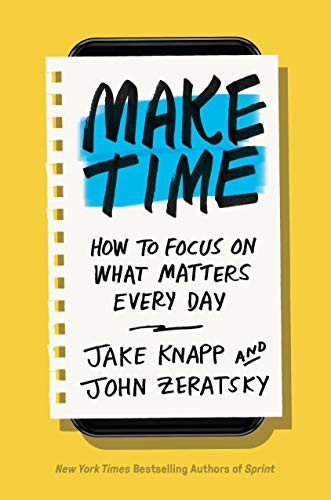
A simple system for choosing a daily highlight. Light and practical.
Best for: daily focus.
8. The Life-Changing Magic of Tidying Up by Marie Kondo
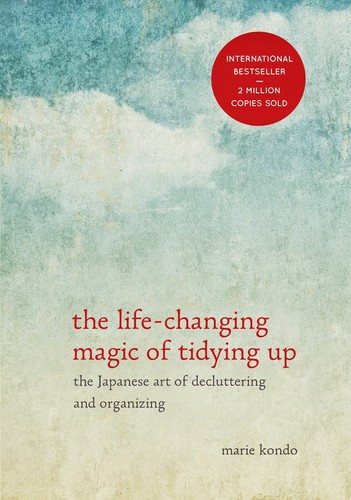
Kondo explains her method of keeping only what sparks joy. Quick and charming.
Best for: declutter.
9. Goodbye, Things by Fumio Sasaki
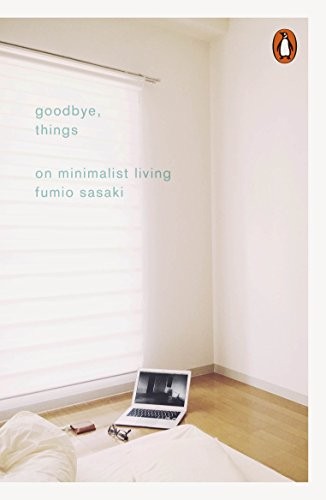
A Japanese writer describes how he got rid of most of his belongings. Honest and inspiring.
Best for: minimalism.
10. Stillness Is the Key by Ryan Holiday
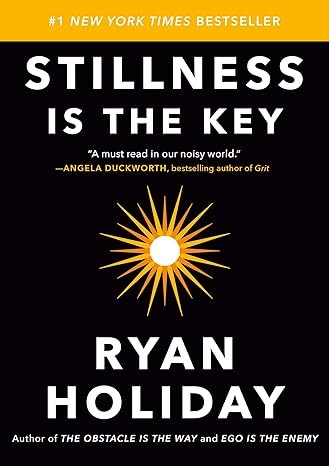
Holiday explores stillness through Stoic and other traditions. Short and clear.
Best for: calm and focus.
11. Meditations by Marcus Aurelius
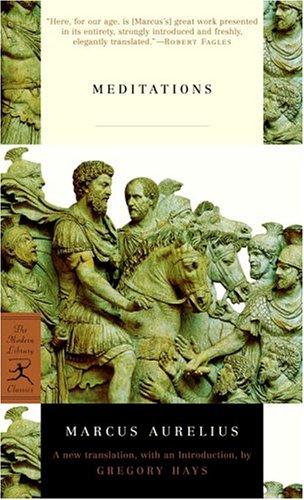
The Roman emperor's private notes on how to live. A calm, practical classic.
Best for: Stoic reflection.
12. Drive by Daniel H. Pink
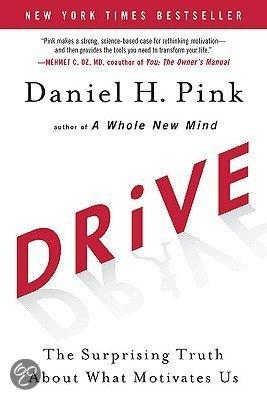
Pink explains what really motivates people at work: autonomy, mastery and purpose. Clear.
Best for: motivation.
13. The 7 Habits of Highly Effective People by Stephen R. Covey
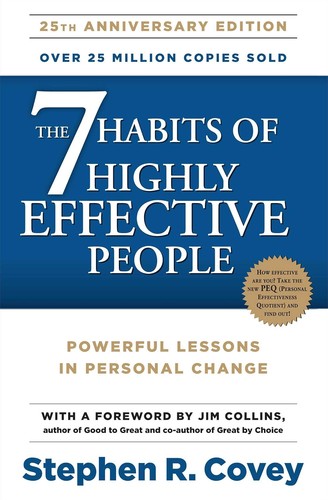
A well-known guide to personal and professional effectiveness. Long but influential.
Best for: principles of effectiveness.
14. The Gifts of Imperfection by Brene Brown
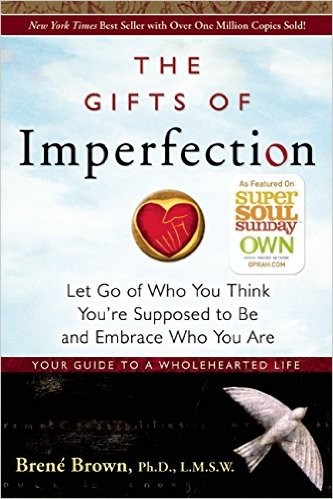
Brown explains how to let go of perfectionism. Clear and compassionate.
Best for: self-acceptance.
15. High Output Management by Andy Grove
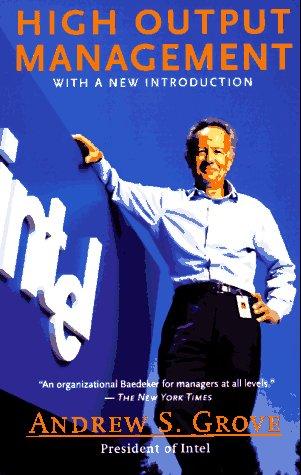
The former Intel CEO explains how to run teams and meetings. Dense but timeless.
Best for: management basics.
How to Choose
For more McKeown read Effortless. For focus choose Deep Work, The One Thing or Make Time. For technology pick Digital Minimalism. For time and limits read Four Thousand Weeks. For decluttering try Marie Kondo or Goodbye, Things. Essentialism is short and clear, so these picks suit readers who want fewer, better commitments. Essentialism is often used in workplaces and teams as a discussion starter on priorities. Reading it with a colleague or friend makes it easier to apply the ideas in real life.
Related: Essentialism by Greg McKeown: Summary and Key Takeaways · 12 Dystopian Books Like the Hunger Games | Best Books to Read Like Hunger Games
Frequently Asked Questions
What is Essentialism about?
Pursuing less but better, by focusing on what is truly essential.
Who wrote it?
Greg McKeown.
When was it published?
2014.
Is it a long book?
About 260 pages.
Is it only for professionals?
No, it applies to life and work.
Is there a sequel?
Yes, Effortless.
What is the key question?
Is this essential?
What should I read next?
Try Deep Work or Four Thousand Weeks.
Which book here is best for single priority?
Try The One Thing by Gary Keller and Jay Papasan, which suits readers looking for single priority.
Which book here is best for daily focus?
Try Make Time by Jake Knapp and John Zeratsky, which suits readers looking for daily focus.
Which book here is best for calm and focus?
Try Stillness Is the Key by Ryan Holiday, which suits readers looking for calm and focus.
Which book here is best for principles of effectiveness?
Try The 7 Habits of Highly Effective People by Stephen R. Covey, which suits readers looking for principles of effectiveness.
Which book here is best for focus?
Try Deep Work by Cal Newport, which suits readers looking for focus.
Which book here is best for time and limits?
Try Four Thousand Weeks by Oliver Burkeman, which suits readers looking for time and limits.
Which book here is best for declutter?
Try The Life-Changing Magic of Tidying Up by Marie Kondo, which suits readers looking for declutter.