

Disclosure: As an Amazon Associate, Bookish Wisdom earns from qualifying purchases. This doesn't change our picks or your price.
Quick answer: If you loved Getting Things Done, read James Clear's Atomic Habits, then Stephen R. Covey's The 7 Habits of Highly Effective People, then Oliver Burkeman's Four Thousand Weeks and Meditations for Mortals, and B.J. Fogg's Tiny Habits and Charles Duhigg's The Power of Habit. All are productivity and time management.
David Allen's Getting Things Done sets out a system for clearing your mind. These picks cover habits and focus.
Table of Contents
Quick Picks at a Glance
| Book | Author | Ages | Best For |
|---|---|---|---|
| Atomic Habits | James Clear | Adult | readers who want habits |
| The 7 Habits of Highly Effective People | Stephen R. Covey | Adult | readers who like frameworks |
| Four Thousand Weeks | Oliver Burkeman | Adult | time and limits |
| Tiny Habits | B.J. Fogg | Adult | small starts |
| The Power of Habit | Charles Duhigg | Adult | story-driven science |
| Indistractable | Nir Eyal | Adult | focus tools |
| Meditations for Mortals | Oliver Burkeman | Adult | the follow-up |
| The Miracle Morning | Hal Elrod | Adult | daily routines |
| Essentialism | Greg McKeown | Adult | readers who feel overloaded |
| Deep Work | Cal Newport | Adult | readers who want focus |
| The E-Myth Revisited | Michael E. Gerber | Adult | business systems |
| Principles | Ray Dalio | Adult | life and work rules |
| Measure What Matters | John Doerr | Adult | goal setting |
| The Checklist Manifesto | Atul Gawande | Adult | systems thinking |
| The Manager's Path | Camille Fournier | Adult | tech management |
1. Atomic Habits by James Clear
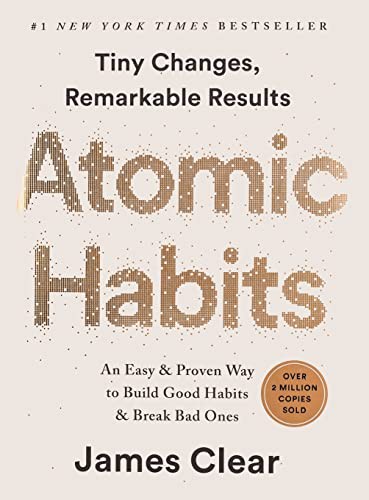
Clear shows how small changes build large results. Clear, actionable and popular.
Best for: readers who want habits.
2. The 7 Habits of Highly Effective People by Stephen R. Covey
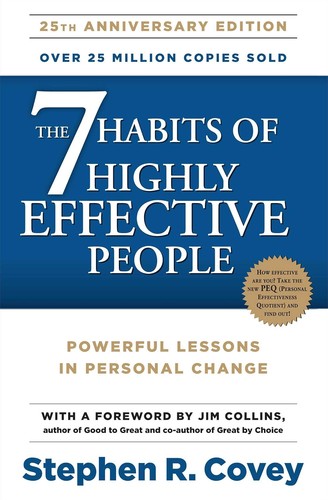
A classic of personal effectiveness, including “seek first to understand.” Foundational.
Best for: readers who like frameworks.
3. Four Thousand Weeks by Oliver Burkeman
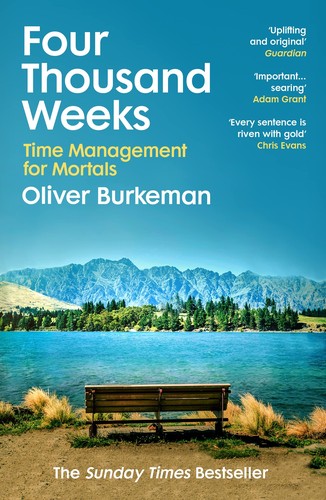
Burkeman argues that we can never do everything, so we must choose. Wise and gentle.
Best for: time and limits.
4. Tiny Habits by B.J. Fogg
A behavioural scientist teaches how to build habits with tiny steps. Clear, friendly and effective.
Best for: small starts.
5. The Power of Habit by Charles Duhigg
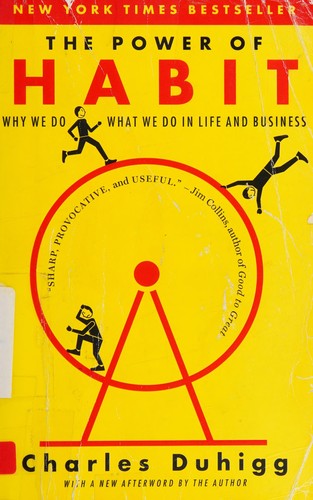
Explains how habits form and how to change them, using stories from business and life.
Best for: story-driven science.
6. Indistractable by Nir Eyal
A framework for managing distraction by understanding triggers. Practical and positive.
Best for: focus tools.
7. Meditations for Mortals by Oliver Burkeman
Burkeman offers a month of daily reflections on living with limits. Short, gentle and practical.
Best for: the follow-up.
8. The Miracle Morning by Hal Elrod
Describes a six-step morning routine called SAVERS. Easy to follow.
Best for: daily routines.
9. Essentialism by Greg McKeown
McKeown shows how to focus on what matters and drop what does not. Clear and practical.
Best for: readers who feel overloaded.
10. Deep Work by Cal Newport
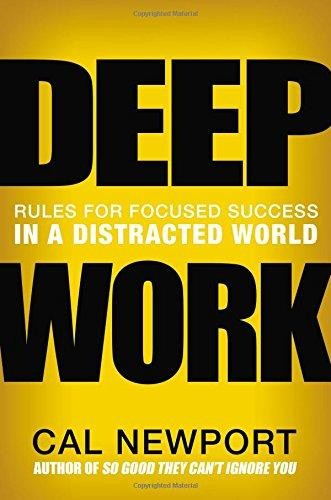
Newport argues that focused work is rare and valuable. Practical tips for a distracted world.
Best for: readers who want focus.
11. The E-Myth Revisited by Michael E. Gerber
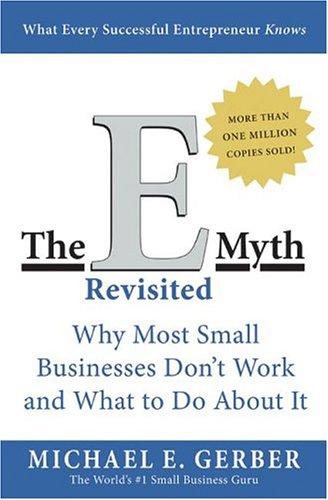
Explains why many small businesses fail and how to build systems so that the business works without you. A classic for owners.
Best for: business systems.
12. Principles by Ray Dalio
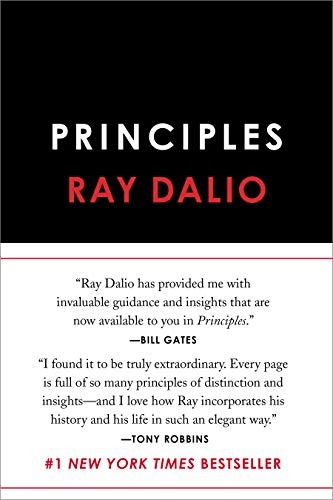
Dalio shares the principles that guided his hedge fund. Long and opinionated.
Best for: life and work rules.
13. Measure What Matters by John Doerr
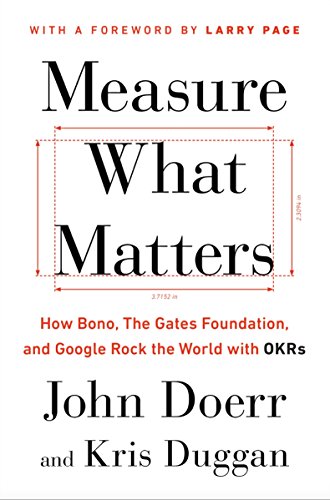
Doerr explains how objectives and key results help organizations set and reach goals. Clear and full of stories.
Best for: goal setting.
14. The Checklist Manifesto by Atul Gawande
Shows how simple checklists can save lives. Practical and brief.
Best for: systems thinking.
15. The Manager's Path by Camille Fournier
A guide to every stage of management, from mentoring to running a company. Practical and honest.
Best for: tech management.
How We Chose These Books
Every pick is a real, widely available book that shares something specific with Getting Things Done: its tone, its themes, its pace or the kind of characters it puts at the center. We mixed well-known favorites with a few less obvious titles, and we noted who each book suits best so you can match it to the reader. Where a book belongs to a series, we list the first volume so you can start at the beginning.
If you are not sure where to begin, start with the first three picks in the table: they are the closest match to Getting Things Done. The rest of the list moves further out, so it works well once you know which part of the original you liked most.
How to Choose
For habits, read Atomic Habits. For time, try Four Thousand Weeks. For meaning, pick The 7 Habits of Highly Effective People.
Related: Getting Things Done by David Allen: Summary and Key Takeaways · Atomic Habits by James Clear: Summary and Key Takeaways
Frequently Asked Questions
Who wrote Getting Things Done?
David Allen, in 2001.
What is the main idea?
Capture tasks, clarify them and review often.
Is it still useful?
Yes, many people still use the method.
Which book here is best for tech management?
Try The Manager's Path by Camille Fournier, which suits readers looking for tech management.
Which book here is best for systems thinking?
Try The Checklist Manifesto by Atul Gawande, which suits readers looking for systems thinking.
Which book here is best for goal setting?
Try Measure What Matters by John Doerr, which suits readers looking for goal setting.
Which book here is best for life and work rules?
Try Principles by Ray Dalio, which suits readers looking for life and work rules.
Which book here is best for business systems?
Try The E-Myth Revisited by Michael E. Gerber, which suits readers looking for business systems.
Which book here is best for readers who want focus?
Try Deep Work by Cal Newport, which suits readers looking for readers who want focus.
Which book here is best for readers who feel overloaded?
Try Essentialism by Greg McKeown, which suits readers looking for readers who feel overloaded.