
Disclosure: As an Amazon Associate, Bookish Wisdom earns from qualifying purchases. This doesn't change our picks or your price.
Quick answer: If you loved Hard Times, try North and South, Mary Barton, Oliver Twist, Bleak House, Great Expectations and Germinal. Each one looks at work, class and industrial life, or offers Dickens-style satire with a moral bite.
Hard Times is Charles Dickens's shortest novel, published in 1854 and set in the industrial town of Coketown. Thomas Gradgrind raises his children Louisa and Tom on facts alone, with no room for imagination. The results are disastrous: Louisa marries the bullying banker Bounderby, Tom turns to crime and the honest worker Stephen Blackpool suffers. Readers love its sharp satire and the circus folk who show what fancy can give. These books share its social conscience.
Table of Contents
Quick Picks at a Glance
| Book | Author | Setting | Best For |
|---|---|---|---|
| North and South | Elizabeth Gaskell | Industrial England | readers who want romance in a mill town |
| Mary Barton | Elizabeth Gaskell | Manchester | readers who want working-class lives |
| Oliver Twist | Charles Dickens | London | readers who want more Dickens on poverty |
| Bleak House | Charles Dickens | London | readers who want Dickens's biggest satire |
| Great Expectations | Charles Dickens | England | readers who want Dickens's best plot |
| Germinal | Émile Zola | French mines | readers who want a great strike novel |
| The Grapes of Wrath | John Steinbeck | Depression America | readers who want hard times in America |
| The Jungle | Upton Sinclair | Chicago | readers who want industrial exposé |
| Middlemarch | George Eliot | English town | readers who like reform and marriage |
| Silas Marner | George Eliot | English village | readers who like a short Victorian novel |
| The Ragged Trousered Philanthropists | Robert Tressell | English town | readers who want a workers' classic |
| Sybil | Benjamin Disraeli | Industrial England | readers who want the two nations |
| Brave New World | Aldous Huxley | Future | readers who liked the war on imagination |
| Matilda | Roald Dahl | Modern England | younger readers who like Gradgrind-style villains |
| Nickel and Dimed | Barbara Ehrenreich | Modern America | readers who want real working lives |
1. North and South by Elizabeth Gaskell
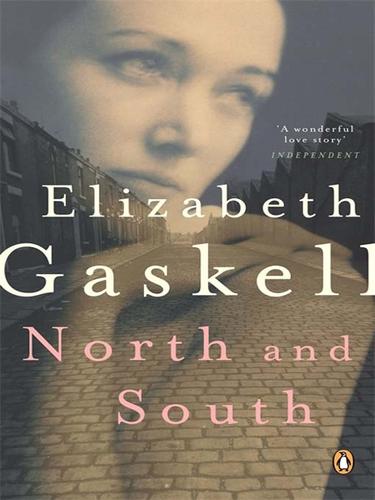
A Southern woman clashes with a mill owner in the north.
Best for: readers who want romance in a mill town.
2. Mary Barton by Elizabeth Gaskell
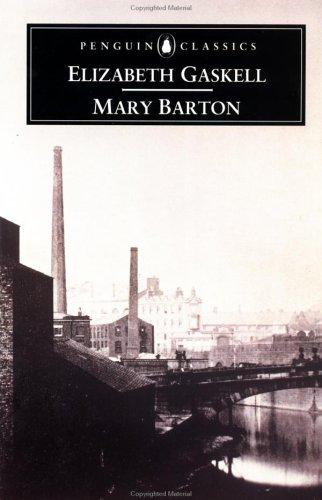
A worker's daughter is caught in industrial unrest.
Best for: readers who want working-class lives.
3. Oliver Twist by Charles Dickens
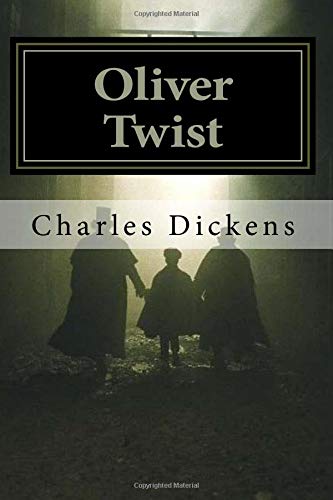
An orphan falls in with child thieves.
Best for: readers who want more Dickens on poverty.
4. Bleak House by Charles Dickens
A never-ending lawsuit tangles many lives.
Best for: readers who want Dickens's biggest satire.
5. Great Expectations by Charles Dickens
An orphan receives a mysterious fortune.
Best for: readers who want Dickens's best plot.
6. Germinal by Émile Zola
Coal miners in northern France go on strike.
Best for: readers who want a great strike novel.
7. The Grapes of Wrath by John Steinbeck
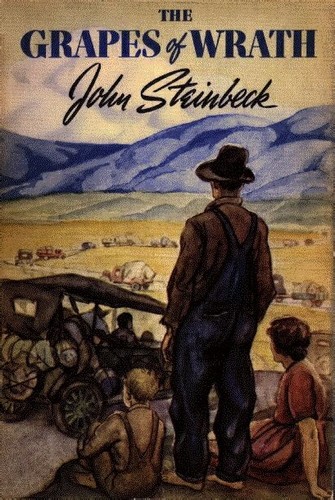
A family of migrants heads to California.
Best for: readers who want hard times in America.
8. The Jungle by Upton Sinclair
Immigrant workers suffer in the meatpacking industry.
Best for: readers who want industrial exposé.
9. Middlemarch by George Eliot
Lives in an English town are shaped by ambition.
Best for: readers who like reform and marriage.
10. Silas Marner by George Eliot
A lonely weaver is changed by a little girl.
Best for: readers who like a short Victorian novel.
11. The Ragged Trousered Philanthropists by Robert Tressell
House painters struggle against exploitation.
Best for: readers who want a workers' classic.
12. Sybil by Benjamin Disraeli
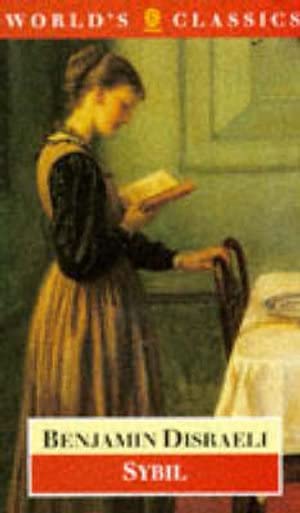
A young aristocrat discovers the lives of the poor.
Best for: readers who want the two nations.
13. Brave New World by Aldous Huxley
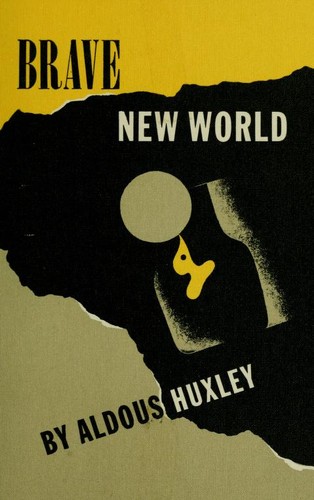
People are engineered to stay happy and obedient.
Best for: readers who liked the war on imagination.
14. Matilda by Roald Dahl
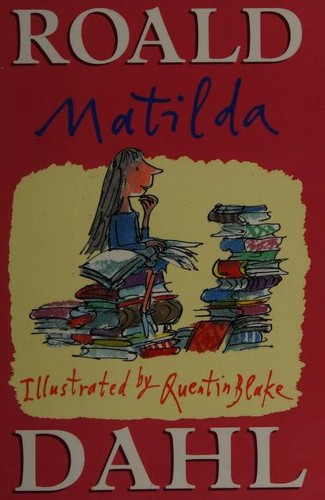
A clever girl outwits her awful parents and headmistress.
Best for: younger readers who like Gradgrind-style villains.
15. Nickel and Dimed by Barbara Ehrenreich
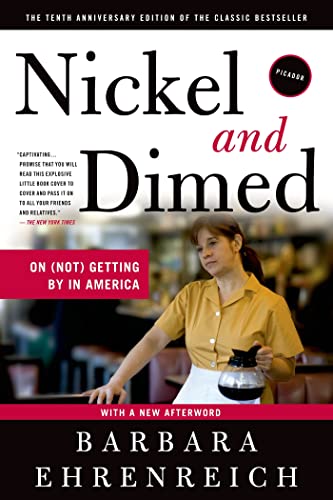
A journalist tries to live on low-wage jobs.
Best for: readers who want real working lives.
How We Chose These Books
Every pick is a real, widely available book that shares something specific with Hard Times: its tone, its themes, its pace or the kind of characters it puts at the center. We mixed well-known favorites with a few less obvious titles, and we noted who each book suits best so you can match it to the reader. Where a book belongs to a series, we list the first volume so you can start at the beginning.
If you are not sure where to begin, start with the first three picks in the table: they are the closest match to Hard Times. The rest of the list moves further out, so it works well once you know which part of the original you liked most. If a pick is part of a longer series, read the first book before you commit, and check the age or content notes in the table before passing a book to a younger reader.
How to Choose
For the same industrial setting, start with North and South, which mixes Hard Times's themes with a gripping romance. Mary Barton and Germinal go deeper into workers' lives. If you want more Dickens, Bleak House is his biggest satire and Great Expectations is his most satisfying plot. Readers who loved the attack on “facts only” schooling may enjoy Brave New World. For a true modern account, Nickel and Dimed shows that the struggles of Coketown have not vanished.
Related: North and South by Elizabeth Gaskell: Summary and Key Takeaways
Frequently Asked Questions
What is Hard Times about?
It follows the Gradgrind family in an industrial town, showing what happens when children are raised on facts without imagination.
Why is it called Hard Times?
The title reflects the harsh conditions of industrial life and the cold philosophy of Gradgrind.
Is Hard Times Dickens's shortest novel?
Yes. It is his shortest completed novel.
Who is Sissy Jupe?
A circus girl taken in by Gradgrind, who represents kindness and imagination.
Is Hard Times a good first Dickens?
It is a good short introduction, though many readers prefer Great Expectations.