
Disclosure: As an Amazon Associate, Bookish Wisdom earns from qualifying purchases. This doesn't change our picks or your price.
Quick answer: If you loved I Am Legend, read The Stand, 'Salem's Lot, The Passage and Station Eleven. All follow survivors of a plague that has broken the world, mixing dread, loneliness and the question of what makes someone a monster.
Richard Matheson's 1954 novel follows Robert Neville, apparently the last human in a Los Angeles overrun by vampire-like infected people. It is short, bleak and surprisingly thoughtful, and it shaped almost every zombie and plague story that followed. The books below share its lone survivors, creeping dread and big questions about humanity.
Table of Contents
Quick Picks at a Glance
| Book | Author | Ages | Best For |
|---|---|---|---|
| Dracula | Bram Stoker | Adult | the vampire roots |
| 'Salem's Lot | Stephen King | Adult | small-town vampires |
| The Stand | Stephen King | Adult | epic plague fiction |
| The Passage | Justin Cronin | Adult | vampire apocalypse |
| The Strain | Guillermo del Toro and Chuck Hogan | Adult | medical-thriller vampires |
| World War Z | Max Brooks | Adult | oral-history apocalypse |
| Earth Abides | George R. Stewart | Adult | quiet survival |
| The Day of the Triffids | John Wyndham | Adult | British apocalypse |
| The Road | Cormac McCarthy | Adult | bleak survival |
| Station Eleven | Emily St. John Mandel | Adult | literary post-collapse |
| Hell House | Richard Matheson | Adult | more Matheson |
| The Girl with All the Gifts | M. R. Carey | Adult | fresh infection fiction |
| Swan Song | Robert McCammon | Adult | nuclear apocalypse |
| Bird Box | Josh Malerman | Adult | claustrophobic terror |
| Oryx and Crake | Margaret Atwood | Adult | thoughtful dystopia |
1. Dracula by Bram Stoker
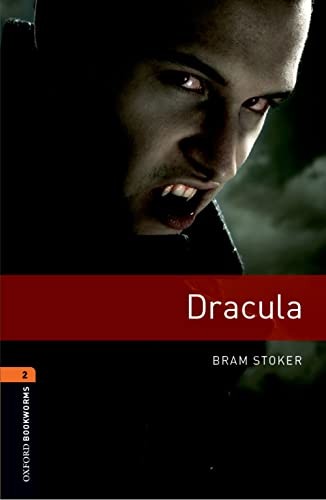
The Victorian classic that gave vampire fiction its rules. Matheson reworked those rules with science instead of superstition, so reading Stoker shows exactly what I Am Legend was answering.
Best for: the vampire roots.
2. 'Salem's Lot by Stephen King
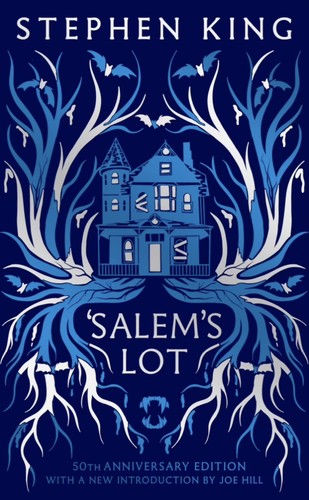
A writer returns to his Maine hometown and finds vampires taking it over, house by house. King has said he was inspired by Dracula, and the slow collapse of a community feels very close to Matheson.
Best for: small-town vampires.
3. The Stand by Stephen King
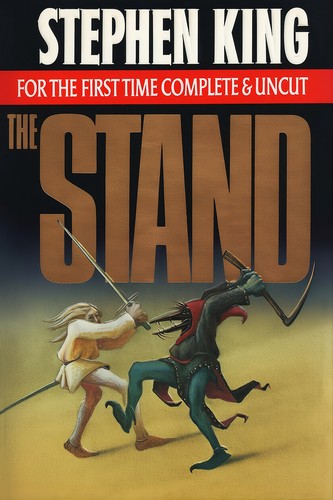
A superflu wipes out most of humanity and the survivors drift toward two opposing leaders. Long and gripping, it blends horror, road story and big moral conflict.
Best for: epic plague fiction.
4. The Passage by Justin Cronin
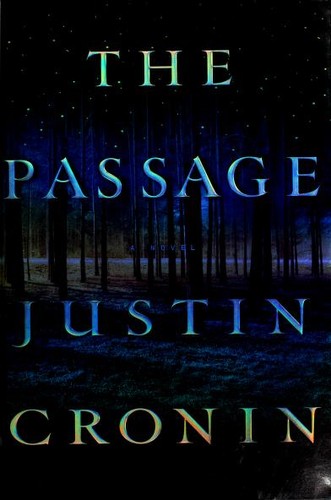
A government experiment creates fast, vicious creatures, and the story follows a young girl across nearly a century. Big, atmospheric and a natural next step for fans of Neville's world.
Best for: vampire apocalypse.
5. The Strain by Guillermo del Toro and Chuck Hogan
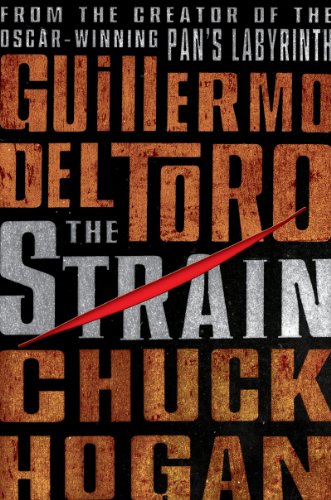
A plane lands in New York with everyone aboard dead, and a CDC doctor finds a parasitic plague at work. It treats vampirism like an epidemic, much as Matheson did.
Best for: medical-thriller vampires.
6. World War Z by Max Brooks
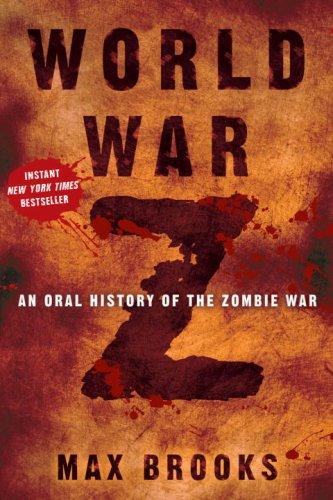
A journalist gathers accounts from survivors of a zombie war. The interview format is fresh and realistic, and it focuses on how societies cope rather than on one hero.
Best for: oral-history apocalypse.
7. Earth Abides by George R. Stewart
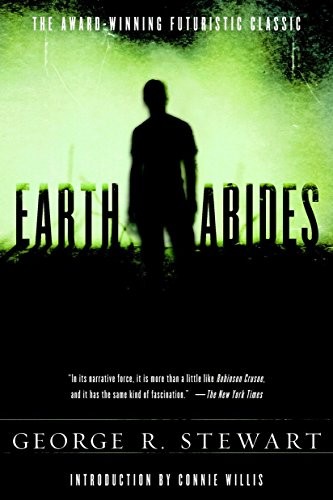
A 1949 classic in which a graduate student returns from the mountains to find most people dead. It is calm and reflective, about rebuilding rather than fighting.
Best for: quiet survival.
8. The Day of the Triffids by John Wyndham
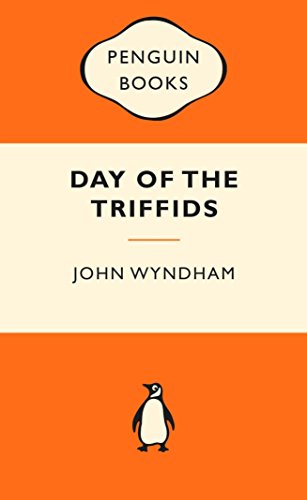
Most of the world is blinded by a meteor shower just as dangerous plants begin to move. A tense, intelligent classic about survival and responsibility.
Best for: British apocalypse.
9. The Road by Cormac McCarthy
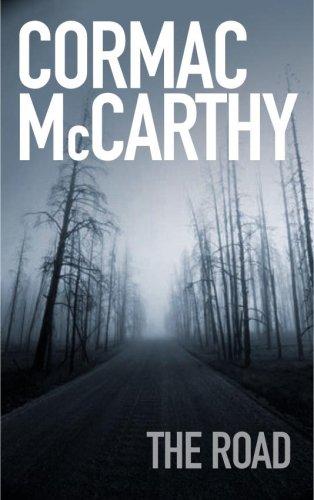
A father and son walk through a burned-out America, hunted by starvation and other survivors. Sparse and devastating, it matches Matheson's loneliness and moral weight.
Best for: bleak survival.
10. Station Eleven by Emily St. John Mandel
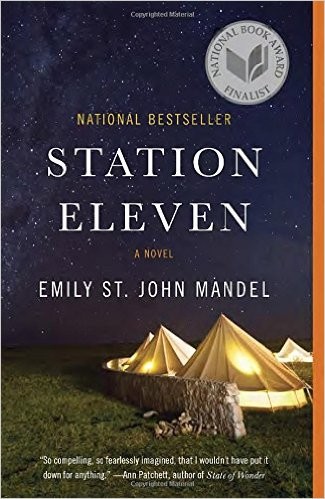
Years after a flu pandemic, a travelling Shakespeare company crosses a changed continent. Gentler than Matheson but equally interested in what is worth saving.
Best for: literary post-collapse.
11. Hell House by Richard Matheson
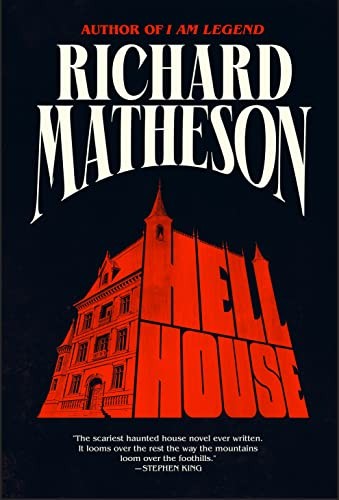
A physicist and three others spend a week in the most haunted house in the world. Matheson mixes science and the supernatural again, with real chills.
Best for: more Matheson.
12. The Girl with All the Gifts by M. R. Carey
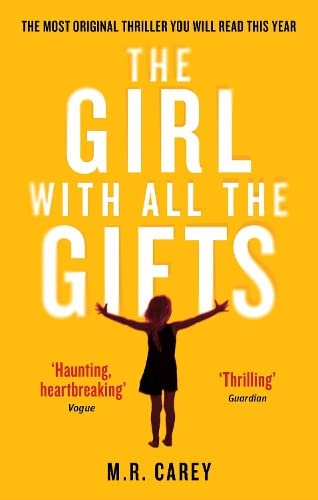
A brilliant girl is kept in a military facility where she is both child and threat. Its twists reframe the infected, a theme close to Neville's discovery.
Best for: fresh infection fiction.
13. Swan Song by Robert McCammon
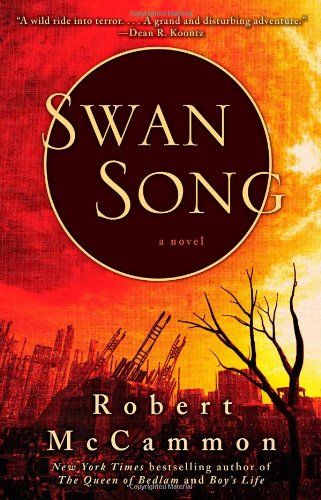
After a nuclear war, a few survivors with strange gifts are drawn into a fight between good and evil. Sweeping and emotional, often compared to The Stand.
Best for: nuclear apocalypse.
14. Bird Box by Josh Malerman
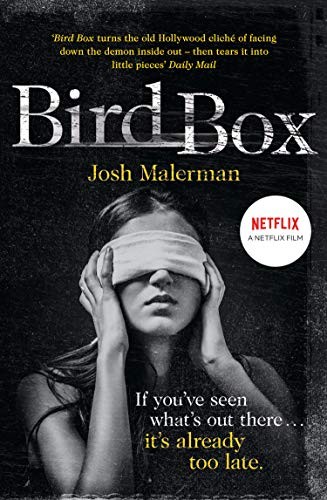
A mother and two children must travel blindfolded in a world where seeing certain things drives people mad. Lean and nerve-wracking.
Best for: claustrophobic terror.
15. Oryx and Crake by Margaret Atwood
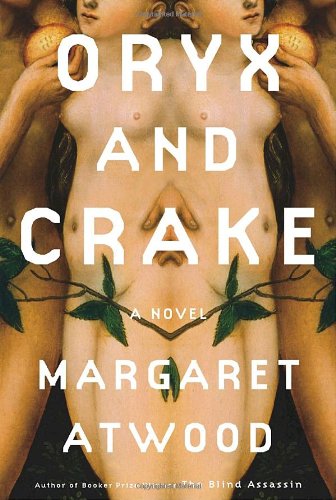
Snowman may be the last human, living among gentle new creatures and remembering how the world fell. Sharp, strange and a clever companion to Neville's solitude.
Best for: thoughtful dystopia.
How to Choose
For vampire roots choose Dracula or 'Salem's Lot. For huge, immersive epics pick The Stand, The Passage or Swan Song. For realistic collapse try World War Z, Earth Abides or The Day of the Triffids. For something quieter and more literary start with Station Eleven or The Road. If you want the fastest read, Bird Box and Hell House are short and tense, and several of these have audiobooks that suit a dark evening.
Related: 15 Books Like Wings of Fire Kids Will Love: Dragons, Quests and Animal Adventures · 12 Dystopian Books Like the Hunger Games | Best Books to Read Like Hunger Games
Frequently Asked Questions
What is I Am Legend about?
Robert Neville is the last man in a city of vampire-like infected people. He hunts them by day and studies their disease.
When was it published?
1954.
Who wrote it?
Richard Matheson, who also wrote Hell House and Bid Time Return.
Is it a long book?
No, it is a short novel of roughly 160 to 200 pages depending on the edition.
Is it scary?
It is more lonely and tense than gory, with a famous twist ending.
How is it different from the film?
The book ends differently and focuses more on the meaning of the title.
Is it a zombie book?
Not exactly, since the creatures are vampires, but it inspired later zombie stories.
What should I read first from this list?
Try The Stand or The Passage for a big story, or Earth Abides for a calmer one.