
Disclosure: As an Amazon Associate, Bookish Wisdom earns from qualifying purchases. This doesn't change our picks or your price.
Quick answer: If you loved Jonathan Livingston Seagull, read Richard Bach's Illusions, then The Little Prince, The Old Man and the Sea, Oh, the Places You'll Go! and The Boy, the Mole, the Fox and the Horse. All are short, gentle books about courage, freedom and seeking something more.
Richard Bach's 1970 novella follows a seagull who cares more about flying than about food and is cast out of his flock for it. It is short, reflective and encouraging. Please note that it has spiritual themes about growth and self-discovery. The books below offer similar short fables and gentle stories about following your own path.
Table of Contents
Quick Picks at a Glance
| Book | Author | Ages | Best For |
|---|---|---|---|
| Illusions | Richard Bach | Adult | more Bach |
| A Gift of Wings | Richard Bach | Adult | flying essays |
| The Little Prince | Antoine de Saint-Exupery | All ages | classic fable |
| The Old Man and the Sea | Ernest Hemingway | Adult | man versus nature |
| The Giving Tree | Shel Silverstein | All ages | simple picture book |
| Oh, the Places You'll Go! | Dr. Seuss | All ages | encouraging verse |
| Man's Search for Meaning | Viktor E. Frankl | Adult | resilience and purpose |
| Who Moved My Cheese? | Spencer Johnson | Adult | handling change |
| The Go-Giver | Bob Burg and John David Mann | Adult | generosity in business |
| Charlotte's Web | E. B. White | All ages | classic friendship |
| The Velveteen Rabbit | Margery Williams | All ages | becoming real |
| Animal Farm | George Orwell | Adult | political fable |
| The Boy, the Mole, the Fox and the Horse | Charlie Mackesy | All ages | illustrated wisdom |
| The Energy Bus | Jon Gordon | Adult | positive thinking |
| Mindset | Carol S. Dweck | Adult | growth versus fixed |
1. Illusions by Richard Bach
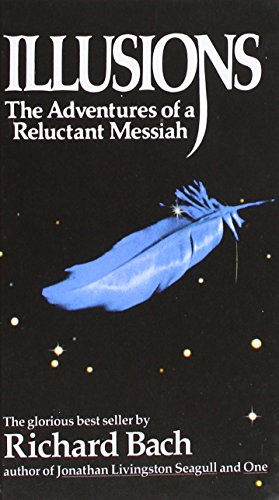
A pilot meets a barnstorming messiah who teaches him about reality and choice. Another short, reflective fable.
Best for: more Bach.
2. A Gift of Wings by Richard Bach
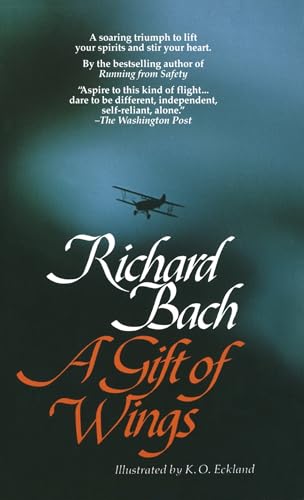
Bach writes about flying and freedom. Light and personal.
Best for: flying essays.
3. The Little Prince by Antoine de Saint-Exupery
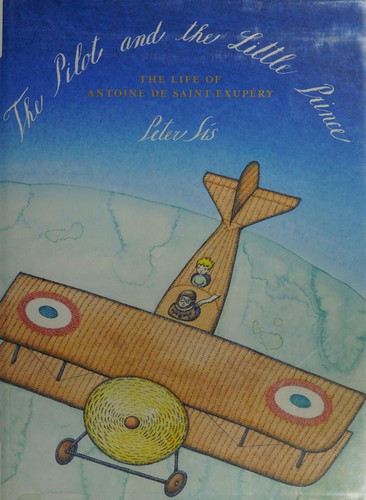
A pilot meets a prince from another planet. Gentle, strange and loved.
Best for: classic fable.
4. The Old Man and the Sea by Ernest Hemingway
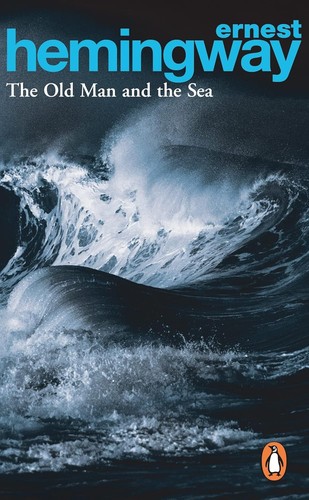
An old fisherman battles a giant marlin. Short and powerful.
Best for: man versus nature.
5. The Giving Tree by Shel Silverstein
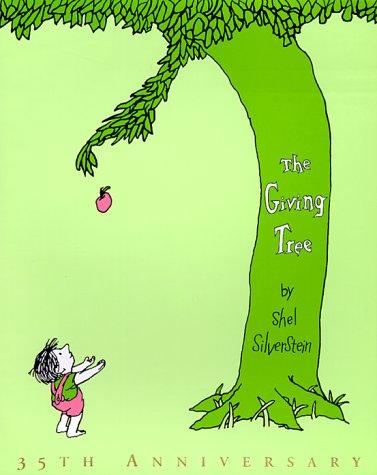
A tree gives everything to a boy. Short, moving and debated.
Best for: simple picture book.
6. Oh, the Places You'll Go! by Dr. Seuss
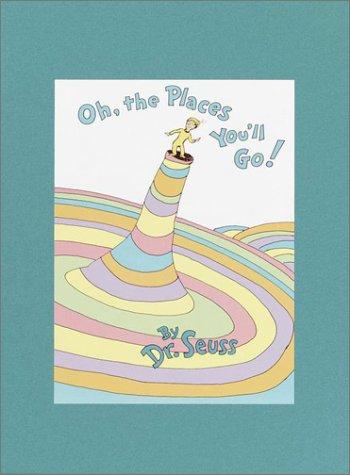
A cheerful guide to life's ups and downs. A popular graduation gift.
Best for: encouraging verse.
7. Man's Search for Meaning by Viktor E. Frankl
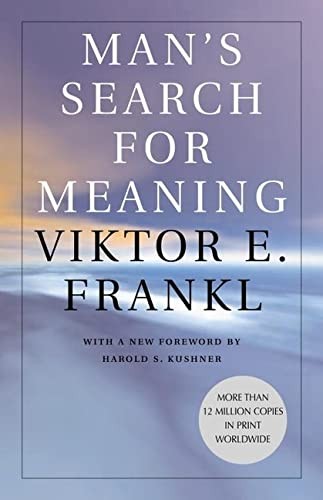
A psychiatrist reflects on surviving concentration camps. Short, profound and moving.
Best for: resilience and purpose.
8. Who Moved My Cheese? by Spencer Johnson
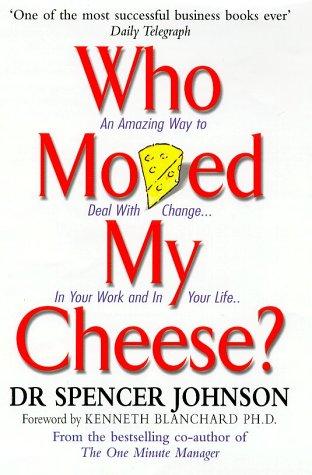
Two mice and two little people deal with a disappearing food supply. A tiny classic about adapting.
Best for: handling change.
9. The Go-Giver by Bob Burg and John David Mann
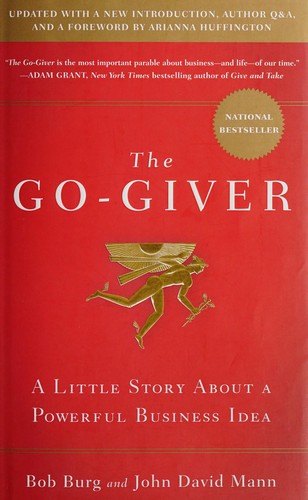
A young man learns five laws of success from a wise mentor. Simple and kind.
Best for: generosity in business.
10. Charlotte's Web by E. B. White
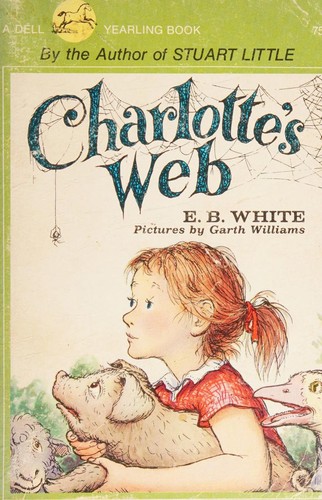
A spider saves a pig by weaving words. A timeless story of loyalty.
Best for: classic friendship.
11. The Velveteen Rabbit by Margery Williams
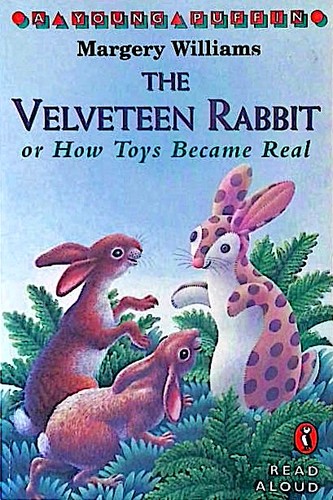
A toy rabbit longs to become real. Tender and nostalgic.
Best for: becoming real.
12. Animal Farm by George Orwell
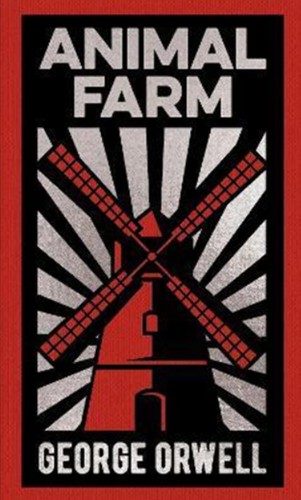
Farm animals rebel and face a new tyranny. Short and sharp.
Best for: political fable.
13. The Boy, the Mole, the Fox and the Horse by Charlie Mackesy
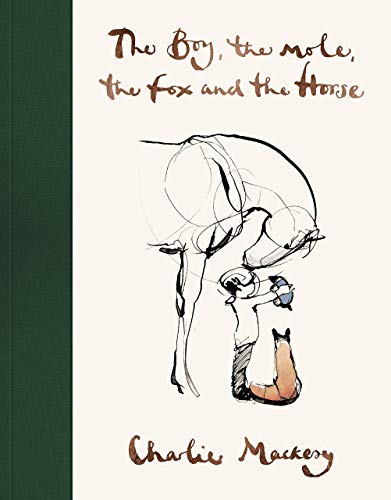
A boy and his animal friends talk about kindness and courage. Gentle and beautifully drawn.
Best for: illustrated wisdom.
14. The Energy Bus by Jon Gordon
A man learns ten rules for creating positive energy. Short and upbeat.
Best for: positive thinking.
15. Mindset by Carol S. Dweck
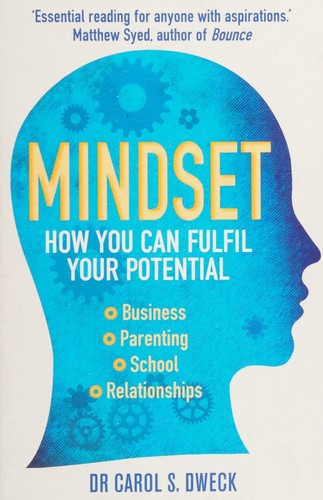
Dweck shows how belief about ability shapes success. A foundation for personal growth.
Best for: growth versus fixed.
How to Choose
For more Bach choose Illusions or A Gift of Wings. For classic fables pick The Little Prince, Charlotte's Web or The Velveteen Rabbit. For gentle encouragement read Oh, the Places You'll Go! or The Boy, the Mole, the Fox and the Horse. For more depth try Man's Search for Meaning. Jonathan Livingston Seagull is short, so most of these can be finished in an afternoon. Many readers pair this book with a walk or a quiet moment, and the original edition includes black-and-white photographs by Russell Munson that give it a distinct look. A good way to read this book is slowly, perhaps over an afternoon, and then talk about it. Teenagers and adults often take different things from it, so it makes a good discussion book. If you enjoy short, thoughtful reads, keep a stack of fables near your bed for quiet evenings.
Related: Jonathan Kellerman Books in Order Printable List · 12 Dystopian Books Like the Hunger Games | Best Books to Read Like Hunger Games
Frequently Asked Questions
What is Jonathan Livingston Seagull about?
A seagull who wants to fly better is exiled by his flock and learns about freedom.
Who wrote it?
Richard Bach.
When was it published?
1970.
Is it a children's book?
It is a short fable for readers of all ages.
How long is it?
About 100 pages with photographs.
Is there a film?
Yes, a 1973 film adaptation.
Is it a religious book?
It has spiritual themes, but it is not tied to a religion.
What should I read next?
Try Illusions or The Little Prince.
Is Jonathan Livingston Seagull a self-help book?
It is a fable, but many readers use it as inspiration for personal growth.
Why was it so popular?
It appeared in 1970 and spoke to readers who wanted more freedom and meaning, selling millions of copies.