

Disclosure: As an Amazon Associate, Bookish Wisdom earns from qualifying purchases. This doesn't change our picks or your price.
Quick answer: If you read Less than Zero, read Bret Easton Ellis's The Rules of Attraction and American Psycho, then Bright Lights, Big City, Play It as It Lays and Fear and Loathing in Las Vegas. All are cool, bleak novels about excess, boredom and emptiness among the young and rich.
Bret Easton Ellis's 1985 debut follows Clay, a college student who returns to Los Angeles for winter break and finds a world of parties, drugs and numb indifference. It is short, flat and shocking. Please note that it contains drug use and disturbing content. The books below offer similar portraits of excess, apathy and the cultures of their time.
Table of Contents
Quick Picks at a Glance
| Book | Author | Ages | Best For |
|---|---|---|---|
| Imperial Bedrooms | Bret Easton Ellis | Adult | the sequel |
| The Rules of Attraction | Bret Easton Ellis | Adult | college chaos |
| American Psycho | Bret Easton Ellis | Adult | satire and violence |
| Bright Lights, Big City | Jay McInerney | Adult | 1980s New York |
| Play It as It Lays | Joan Didion | Adult | Hollywood emptiness |
| Slouching Towards Bethlehem | Joan Didion | Adult | essays on the 1960s |
| Fear and Loathing in Las Vegas | Hunter S. Thompson | Adult | drug-fuelled satire |
| Trainspotting | Irvine Welsh | Adult | Edinburgh addiction |
| Jesus' Son | Denis Johnson | Adult | linked stories |
| The Basketball Diaries | Jim Carroll | Adult | teen addiction memoir |
| Fight Club | Chuck Palahniuk | Adult | masculine rage |
| Generation X | Douglas Coupland | Adult | slacker novel |
| The Catcher in the Rye | J. D. Salinger | Adult | teen alienation |
| The Bonfire of the Vanities | Tom Wolfe | Adult | New York satire |
| Girl, Interrupted | Susanna Kaysen | Adult | memoir of hospitalisation |
1. Imperial Bedrooms by Bret Easton Ellis
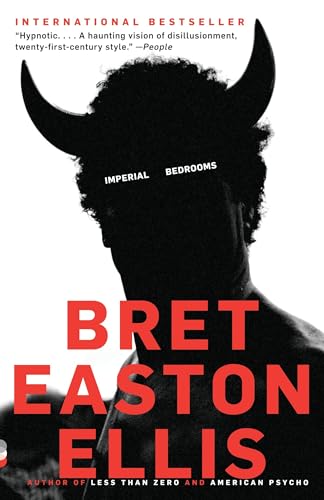
Clay returns decades later to a Hollywood still marked by the past. Bleak and cold.
Best for: the sequel.
2. The Rules of Attraction by Bret Easton Ellis
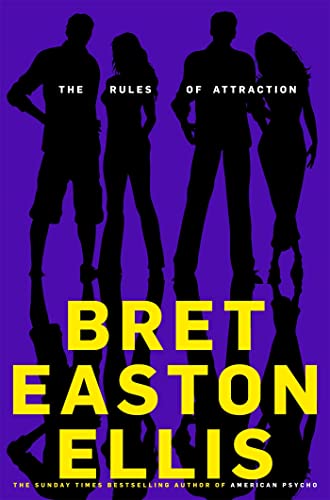
Students at a New England college drift through relationships and parties. Funny and cold.
Best for: college chaos.
3. American Psycho by Bret Easton Ellis
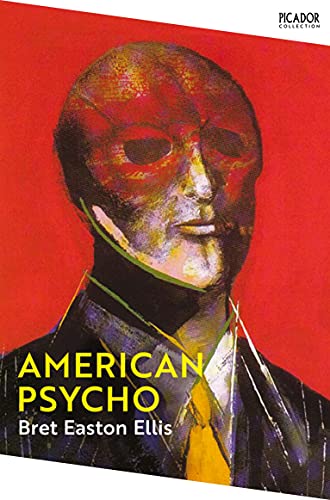
A Wall Street banker hides a murderous secret. Violent, satirical and controversial.
Best for: satire and violence.
4. Bright Lights, Big City by Jay McInerney
A young man spirals in a haze of parties and cocaine. Second-person and slick.
Best for: 1980s New York.
5. Play It as It Lays by Joan Didion
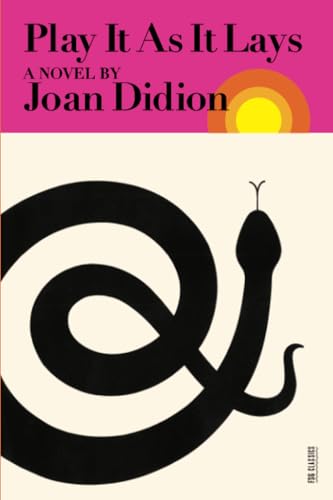
An actress drifts through 1960s Los Angeles. Spare and devastating.
Best for: Hollywood emptiness.
6. Slouching Towards Bethlehem by Joan Didion
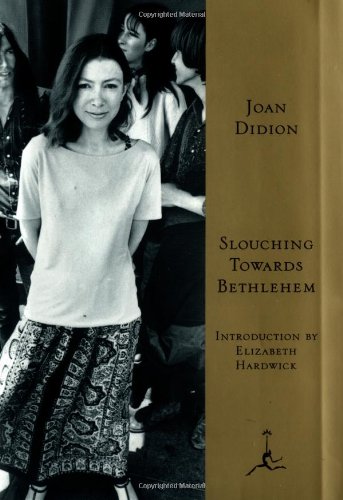
Essays about California and a society coming apart. Sharp and iconic.
Best for: essays on the 1960s.
7. Fear and Loathing in Las Vegas by Hunter S. Thompson
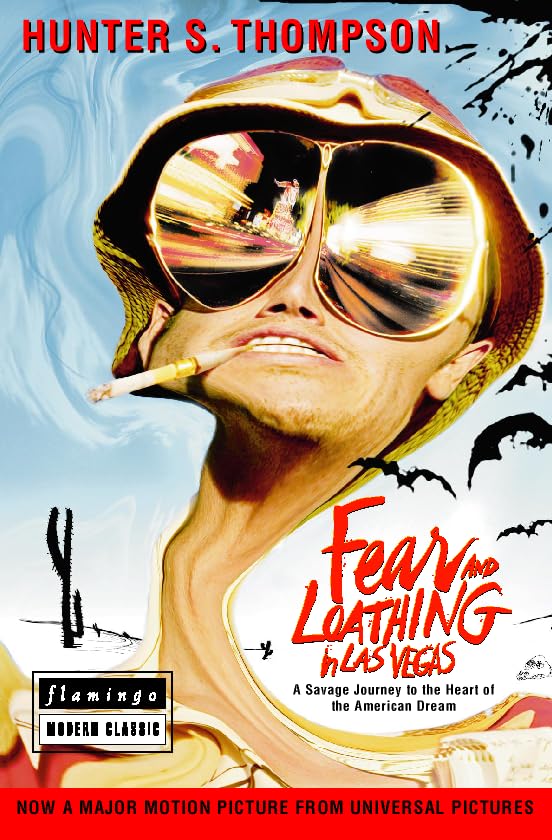
A journalist and his lawyer drive to Vegas in a haze. Wild, funny and unforgettable.
Best for: drug-fuelled satire.
8. Trainspotting by Irvine Welsh
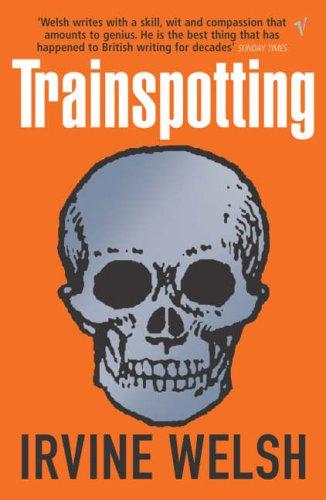
A group of heroin users in Edinburgh. Raw, funny and written in dialect.
Best for: Edinburgh addiction.
9. Jesus' Son by Denis Johnson
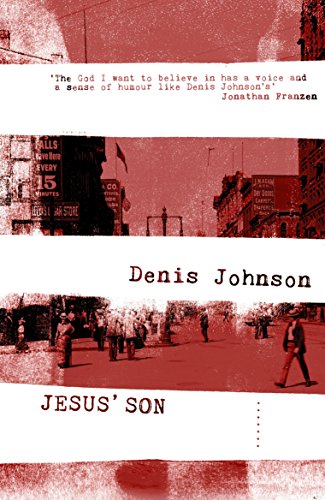
A drifter tells stories of drugs and tenderness. Short and lyrical.
Best for: linked stories.
10. The Basketball Diaries by Jim Carroll
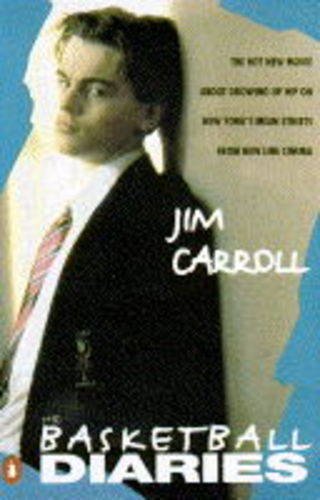
A teenage athlete describes his descent into heroin. Raw and poetic.
Best for: teen addiction memoir.
11. Fight Club by Chuck Palahniuk
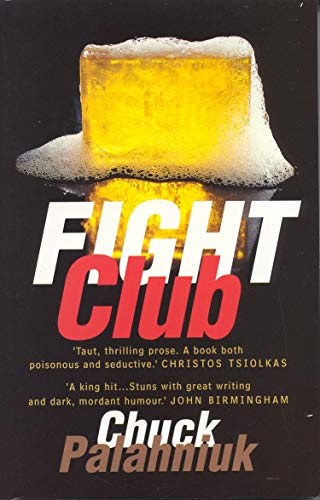
An insomniac and a soap salesman start an underground club. Fast, cynical and bold.
Best for: masculine rage.
12. Generation X by Douglas Coupland
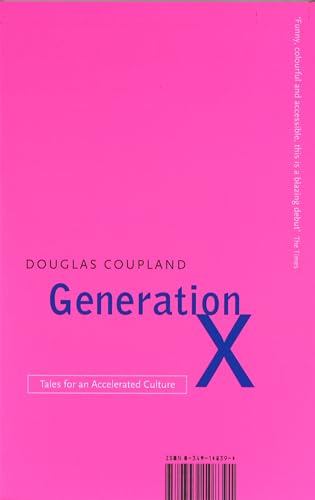
Three friends drop out in the California desert. Light, ironic and defining.
Best for: slacker novel.
13. The Catcher in the Rye by J. D. Salinger
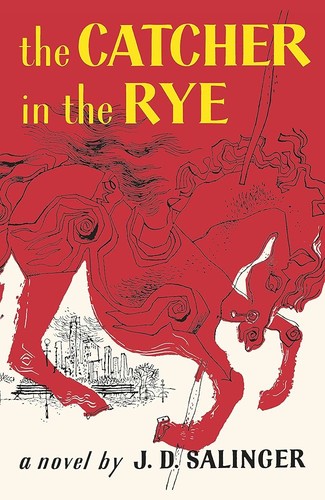
Holden Caulfield wanders New York after leaving school. A classic of youthful disaffection.
Best for: teen alienation.
14. The Bonfire of the Vanities by Tom Wolfe
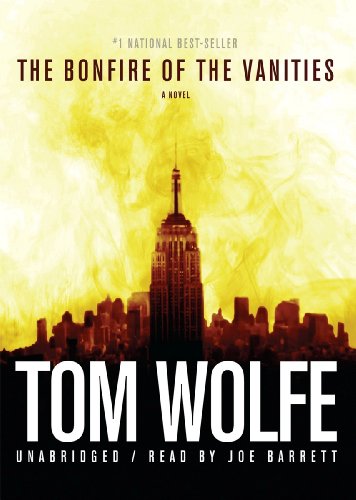
A Wall Street trader's life collapses after a car accident. Big, sharp and satirical.
Best for: New York satire.
15. Girl, Interrupted by Susanna Kaysen
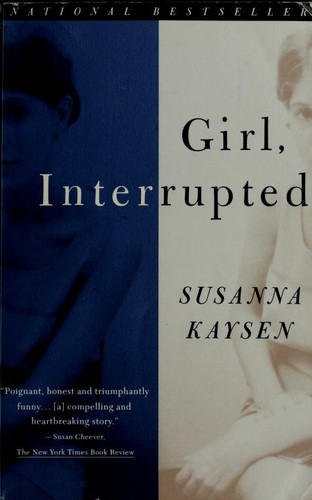
Kaysen recalls her time in a psychiatric hospital. Short and haunting.
Best for: memoir of hospitalisation.
How We Chose These Books
Every pick is a real, widely available book that shares something specific with Less than Zero: its tone, its themes, its pace or the kind of characters it puts at the center. We mixed well-known favorites with a few less obvious titles, and we noted who each book suits best so you can match it to the reader. Where a book belongs to a series, we list the first volume so you can start at the beginning.
How to Choose
For more Ellis begin with The Rules of Attraction or Imperial Bedrooms. For the 1980s pick Bright Lights, Big City or The Bonfire of the Vanities. For Hollywood emptiness choose Joan Didion. For wild satire read Fear and Loathing in Las Vegas or Fight Club. For raw addiction stories try Trainspotting, Jesus' Son or The Basketball Diaries. These books are bleak and often explicit, so check content notes. Less than Zero was published when Ellis was just twenty-one, and it became a cultural touchstone for its cold style, which influenced a wave of young writers. Ellis's books are cold by design, so readers who like warmth may prefer Didion or Salinger. Readers who like the satire will enjoy American Psycho and The Bonfire of the Vanities. Readers who want raw addiction stories will find Trainspotting and The Basketball Diaries. All of these contain disturbing material, so choose carefully.
Related: Zero to One by Peter Thiel: Summary and Key Takeaways · 10 Reasons Why Are Books Better Than Movies
Frequently Asked Questions
What is Less than Zero about?
A college student returns to Los Angeles and sees friends sink into drugs and apathy.
Who wrote it?
Bret Easton Ellis.
When was it published?
1985.
Is there a film?
Yes, a 1987 film that differs greatly from the book.
Is it graphic?
Yes, with drug use, sex and violence.
Is it a short read?
Yes, about 200 pages.
Is it a sequel?
Imperial Bedrooms continues the story decades later.
What should I read next?
Try The Rules of Attraction.
Is Less than Zero autobiographical?
Ellis has said it draws on his own experiences of privileged youth, though it is fiction.
Do the characters change?
Mostly no, which is part of the book's bleak point.