

Disclosure: As an Amazon Associate, Bookish Wisdom earns from qualifying purchases. This doesn't change our picks or your price.
Quick answer: If you loved The Let Them Theory, try The 5 Second Rule, The High 5 Habit, The Courage to Be Disliked, *The Subtle Art of Not Giving a F*ck*, Atomic Habits and Set Boundaries, Find Peace. Each one helps you worry less about what you cannot control and put your energy into your own choices.
Mel Robbins's 2024 bestseller is built on a simple idea: when other people do things that frustrate you, let them. Instead of trying to control friends, family or coworkers, you focus on the second half of her method, “Let me”, and decide how you will respond. Readers love its plain language, its examples and its relief from people-pleasing. These books share its practical tools for boundaries, mindset and calm.
Table of Contents
Quick Picks at a Glance
| Book | Author | Focus | Best For |
|---|---|---|---|
| The 5 Second Rule | Mel Robbins | Action | readers who want more Robbins |
| The High 5 Habit | Mel Robbins | Self-belief | readers who want a gentle daily habit |
| The Courage to Be Disliked | Ichiro Kishimi and Fumitake Koga | Freedom from approval | readers who want a deeper philosophy |
| *The Subtle Art of Not Giving a F*ck* | Mark Manson | Priorities | readers who like blunt advice |
| Atomic Habits | James Clear | Habits | readers who want practical systems |
| Set Boundaries, Find Peace | Nedra Glover Tawwab | Boundaries | readers who struggle to say no |
| Don't Believe Everything You Think | Joseph Nguyen | Overthinking | readers who overthink |
| Meditations | Marcus Aurelius | Control | readers who want the ancient source |
| The Gifts of Imperfection | Brené Brown | Self-acceptance | readers who want a short classic |
| Daring Greatly | Brené Brown | Vulnerability | readers who fear judgment |
| Feeling Good | David D. Burns | Thinking patterns | readers who want CBT tools |
| Mindset | Carol S. Dweck | Growth | readers who want research |
| How to Do the Work | Nicole LePera | Patterns | readers who want to change old habits |
| Essentialism | Greg McKeown | Focus | readers who overcommit |
| Codependent No More | Melody Beattie | Detachment | readers stuck caring for others |
1. The 5 Second Rule by Mel Robbins
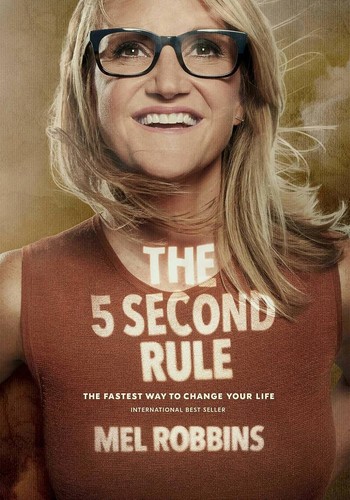
Robbins explains how counting down helps you act before doubt takes over.
Best for: readers who want more Robbins.
2. The High 5 Habit by Mel Robbins
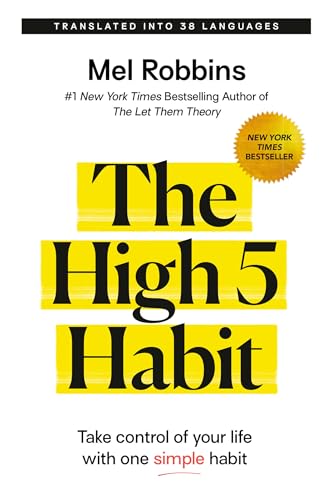
Robbins shows how a small daily gesture can build self-support.
Best for: readers who want a gentle daily habit.
3. The Courage to Be Disliked by Ichiro Kishimi and Fumitake Koga
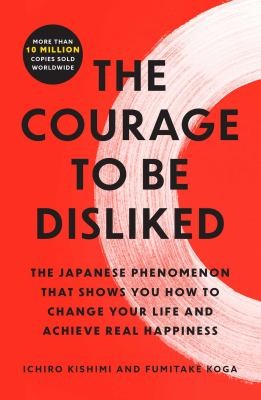
A philosopher and a young man discuss living free of others' expectations.
Best for: readers who want a deeper philosophy.
4. The Subtle Art of Not Giving a F*ck by Mark Manson
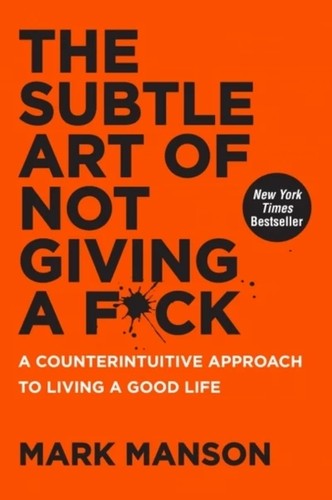
Manson argues for caring about fewer, better things.
Best for: readers who like blunt advice.
5. Atomic Habits by James Clear
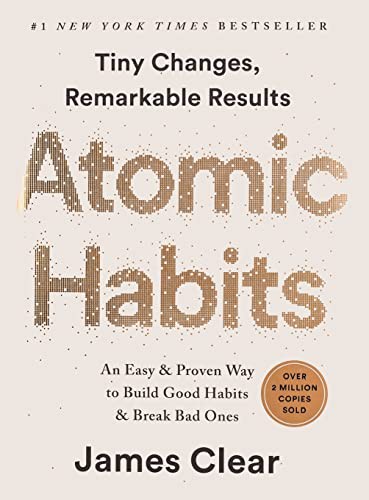
Clear shows how small habits add up to big change.
Best for: readers who want practical systems.
6. Set Boundaries, Find Peace by Nedra Glover Tawwab
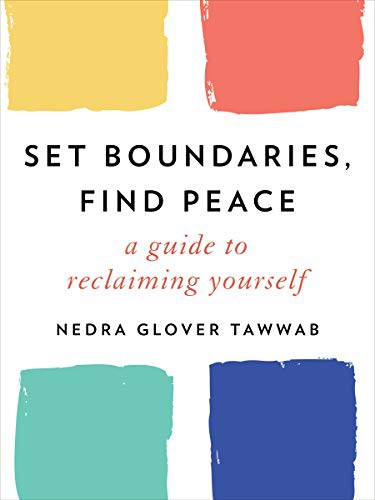
A therapist explains how to set and keep healthy boundaries.
Best for: readers who struggle to say no.
7. Don't Believe Everything You Think by Joseph Nguyen
A short guide to stepping back from anxious thoughts.
Best for: readers who overthink.
8. Meditations by Marcus Aurelius
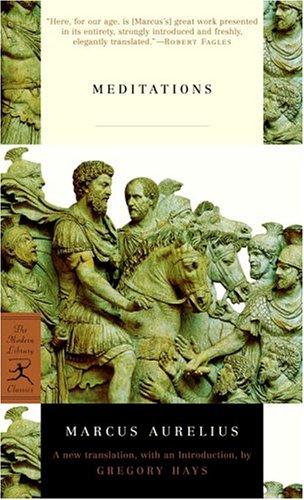
A Roman emperor's private notes on focusing on what you control.
Best for: readers who want the ancient source.
9. The Gifts of Imperfection by Brené Brown
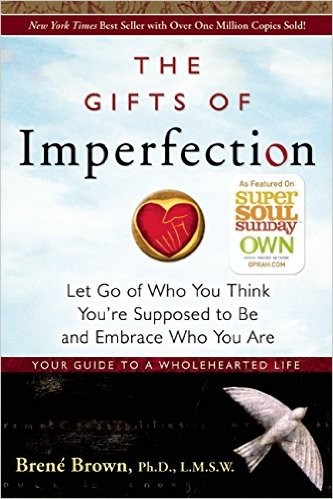
Brown explains how to let go of who you think you should be.
Best for: readers who want a short classic.
10. Daring Greatly by Brené Brown
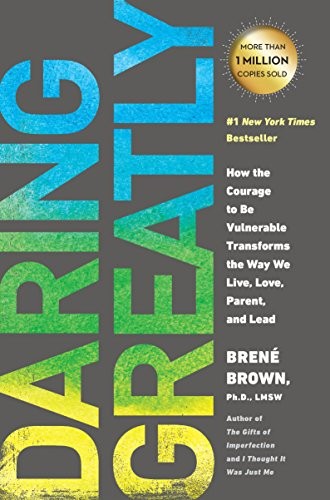
Brown explains why courage means being seen.
Best for: readers who fear judgment.
11. Feeling Good by David D. Burns
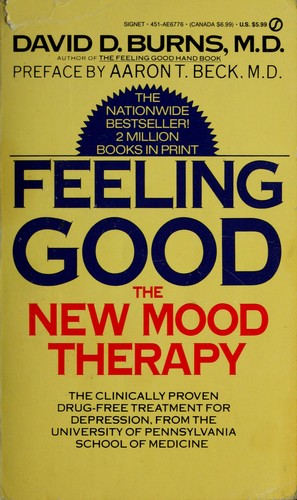
A psychiatrist shows how to challenge distorted thoughts.
Best for: readers who want CBT tools.
12. Mindset by Carol S. Dweck
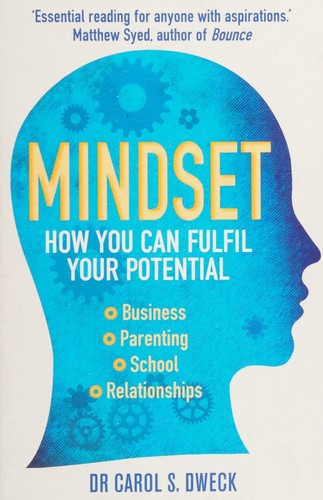
Dweck explains how believing you can grow changes outcomes.
Best for: readers who want research.
13. How to Do the Work by Nicole LePera
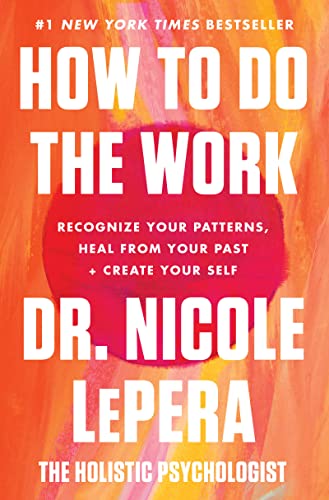
A psychologist explains how to notice and change patterns from the past.
Best for: readers who want to change old habits.
14. Essentialism by Greg McKeown
McKeown shows how to do less but better.
Best for: readers who overcommit.
15. Codependent No More by Melody Beattie
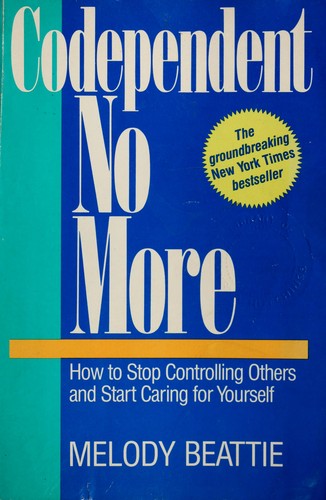
A classic on stopping the urge to control other people.
Best for: readers stuck caring for others.
How We Chose These Books
Every pick is a real, widely available book that shares something specific with Let Them: its tone, its themes, its pace or the kind of characters it puts at the center. We mixed well-known favorites with a few less obvious titles, and we noted who each book suits best so you can match it to the reader. Where a book belongs to a series, we list the first volume so you can start at the beginning.
If you are not sure where to begin, start with the first three picks in the table: they are the closest match to Let Them. The rest of the list moves further out, so it works well once you know which part of the original you liked most. If a pick is part of a longer series, read the first book before you commit, and check the age or content notes in the table before passing a book to a younger reader.
How to Choose
If you like Robbins's direct coaching, The 5 Second Rule and The High 5 Habit are the obvious next reads. For the philosophy behind “let them”, The Courage to Be Disliked and Meditations go deeper into accepting what you cannot control. If people-pleasing is your real struggle, Set Boundaries, Find Peace and Codependent No More give practical scripts. Overthinkers will find quick relief in Don't Believe Everything You Think, while Feeling Good offers proven techniques from cognitive behavioral therapy.
Related: The 5 Second Rule by Mel Robbins: Summary and Key Takeaways · The Courage to Be Disliked by Ichiro Kishimi and Fumitake Koga: Summary and Key Takeaways
Frequently Asked Questions
What is The Let Them Theory?
It is Mel Robbins's idea that you should let other people act as they choose, then decide how you will respond.
What does “Let me” mean in the book?
It is the second step, where you take responsibility for your own choices and actions.
Is The Let Them Theory based on research?
Robbins draws on psychology and expert interviews, but it is mainly a practical self-help book.
Who is the book for?
It suits people-pleasers, anxious thinkers and anyone who feels drained by trying to manage others.
What should I read after The Let Them Theory?
The Courage to Be Disliked is a strong next step.