
Disclosure: As an Amazon Associate, Bookish Wisdom earns from qualifying purchases. This doesn't change our picks or your price.
Quick answer: If you loved Mel Robbins, read James Clear's Atomic Habits, then David Goggins's Can't Hurt Me, then Carol S. Dweck's Mindset, and Angela Duckworth's Grit and Brené Brown's Daring Greatly and The Gifts of Imperfection. All are practical, motivational self-help.
Mel Robbins is known for The 5 Second Rule and her talks on motivation. Her books use simple tools to help people act. These picks share the practical, direct tone.
Table of Contents
Quick Picks at a Glance
| Book | Author | Ages | Best For |
|---|---|---|---|
| Atomic Habits | James Clear | Adult | readers who want habits |
| Can't Hurt Me | David Goggins | Adult | readers who want hard-core motivation |
| Mindset | Carol S. Dweck | Adult | readers who want a psychology angle |
| Grit | Angela Duckworth | Adult | readers who like research |
| Daring Greatly | Brené Brown | Adult | readers who want courage |
| Untamed | Glennon Doyle | Adult | readers who like a modern memoir |
| *Unf*ck Yourself* | Gary John Bishop | Adult | readers who like blunt advice |
| The Gifts of Imperfection | Brené Brown | Adult | readers who want self-compassion |
| Rising Strong | Brene Brown | Adult | falling and getting up |
| The 7 Habits of Highly Effective People | Stephen R. Covey | Adult | readers who like frameworks |
| How to Win Friends and Influence People | Dale Carnegie | Adult | readers who want people skills |
| Tiny Habits | B.J. Fogg | Adult | small starts |
| The Power of Habit | Charles Duhigg | Adult | story-driven science |
| Four Thousand Weeks | Oliver Burkeman | Adult | time and limits |
| The Miracle Morning | Hal Elrod | Adult | daily routines |
1. Atomic Habits by James Clear
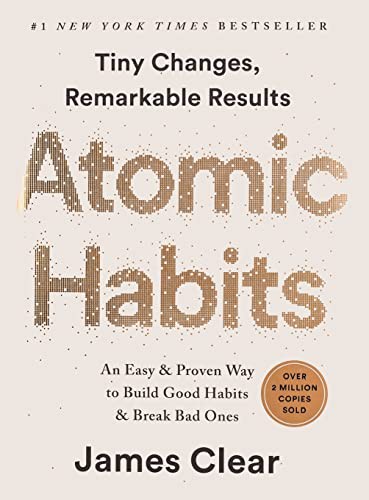
Clear shows how small changes build large results. Clear, actionable and popular.
Best for: readers who want habits.
2. Can't Hurt Me by David Goggins
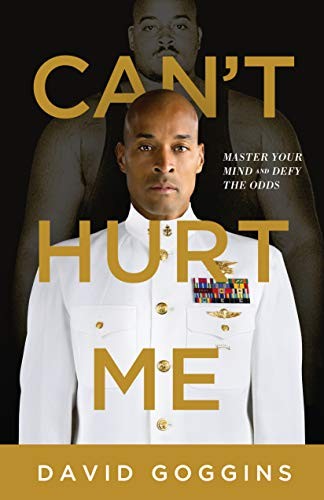
A former Navy SEAL describes his rise from a hard childhood to extreme athlete. Intense and motivating.
Best for: readers who want hard-core motivation.
3. Mindset by Carol S. Dweck
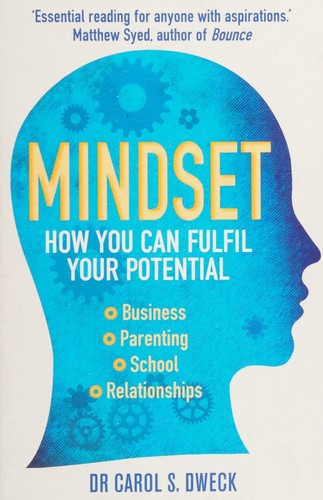
Dweck explains the difference between fixed and growth mindsets. Influential and easy to read.
Best for: readers who want a psychology angle.
4. Grit by Angela Duckworth
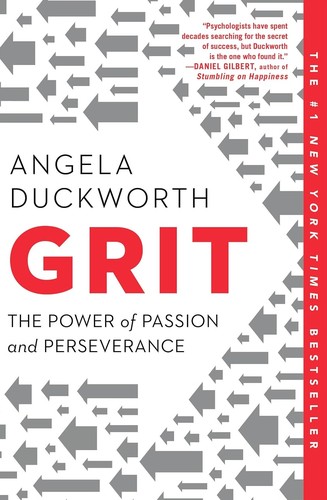
Duckworth argues that passion and perseverance matter more than talent. Full of stories and research.
Best for: readers who like research.
5. Daring Greatly by Brené Brown
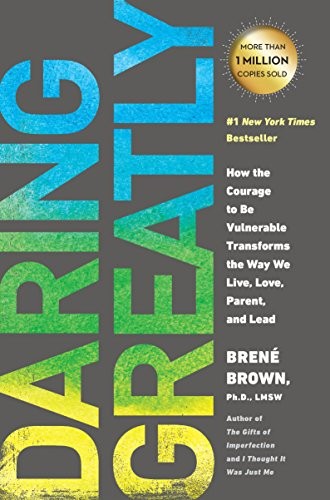
Brown writes about vulnerability and shame. Warm and practical.
Best for: readers who want courage.
6. Untamed by Glennon Doyle
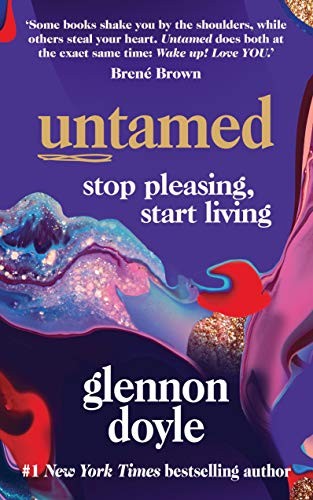
Doyle writes about listening to your inner voice and breaking free of expectations. Funny and emotional.
Best for: readers who like a modern memoir.
7. Unf*ck Yourself by Gary John Bishop
A short, loud guide to changing self-talk and taking action. Direct and quick.
Best for: readers who like blunt advice.
8. The Gifts of Imperfection by Brené Brown
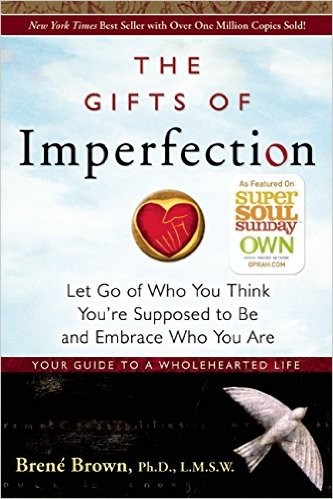
Brown explains how to embrace imperfection and live with courage. Clear and kind.
Best for: readers who want self-compassion.
9. Rising Strong by Brene Brown
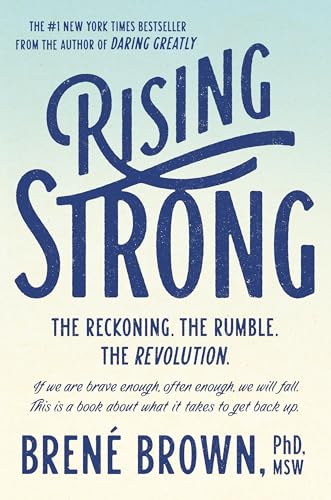
Brown explores how to recover after failure. Practical and warm.
Best for: falling and getting up.
10. The 7 Habits of Highly Effective People by Stephen R. Covey
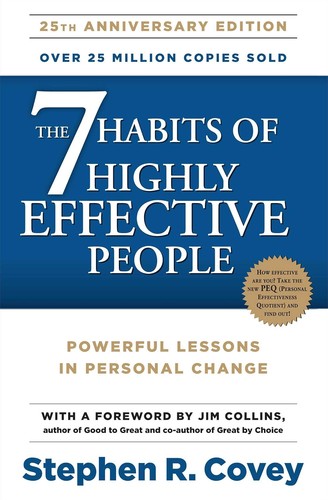
A classic of personal effectiveness, including “seek first to understand.” Foundational.
Best for: readers who like frameworks.
11. How to Win Friends and Influence People by Dale Carnegie
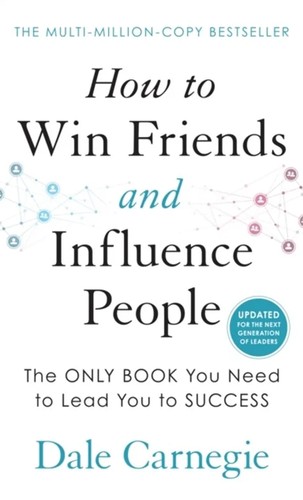
The classic on listening, appreciation and interest in others. Timeless and easy.
Best for: readers who want people skills.
12. Tiny Habits by B.J. Fogg
A behavioural scientist teaches how to build habits with tiny steps. Clear, friendly and effective.
Best for: small starts.
13. The Power of Habit by Charles Duhigg
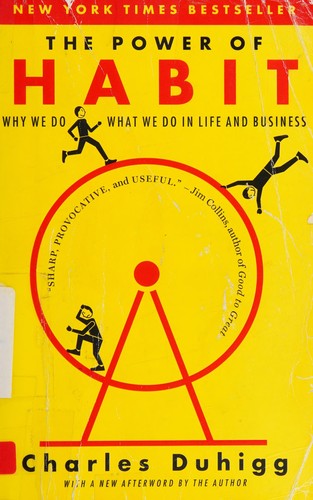
Explains how habits form and how to change them, using stories from business and life.
Best for: story-driven science.
14. Four Thousand Weeks by Oliver Burkeman
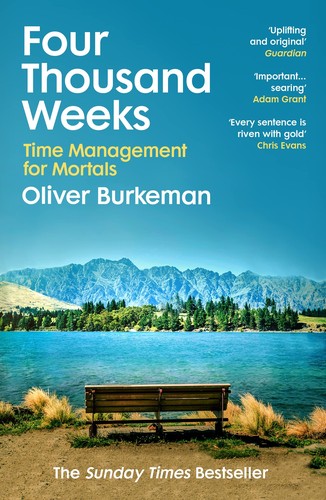
Burkeman argues that we can never do everything, so we must choose. Wise and gentle.
Best for: time and limits.
15. The Miracle Morning by Hal Elrod
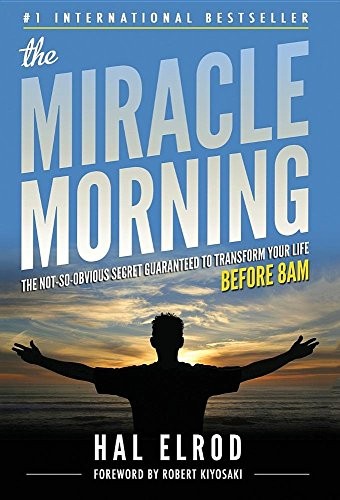
Describes a six-step morning routine called SAVERS. Easy to follow.
Best for: daily routines.
How We Chose These Books
Every pick is a real, widely available book that shares something specific with Mel Robbins: its tone, its themes, its pace or the kind of characters it puts at the center. We mixed well-known favorites with a few less obvious titles, and we noted who each book suits best so you can match it to the reader. Where a book belongs to a series, we list the first volume so you can start at the beginning.
If you are not sure where to begin, start with the first three picks in the table: they are the closest match to Mel Robbins. The rest of the list moves further out, so it works well once you know which part of the original you liked most.
How to Choose
For habit and action, read Atomic Habits or Can't Hurt Me. For mindset, try Mindset or Grit. For emotional growth, pick Daring Greatly or Untamed. For something shorter, read Unf*ck Yourself.
Related: 15 Books Like Wings of Fire Kids Will Love: Dragons, Quests and Animal Adventures · 12 Dystopian Books Like the Hunger Games | Best Books to Read Like Hunger Games
Frequently Asked Questions
Who is Mel Robbins?
An American author, speaker and podcast host.
What is her best-known book?
The 5 Second Rule.
What does it teach?
Counting down from five to act before doubt sets in.
What should I read next?
Try Atomic Habits.
Which book here is best for daily routines?
Try The Miracle Morning by Hal Elrod, which suits readers looking for daily routines.
Which book here is best for time and limits?
Try Four Thousand Weeks by Oliver Burkeman, which suits readers looking for time and limits.
Which book here is best for story-driven science?
Try The Power of Habit by Charles Duhigg, which suits readers looking for story-driven science.
Which book here is best for small starts?
Try Tiny Habits by B.J. Fogg, which suits readers looking for small starts.
Which book here is best for readers who want people skills?
Try How to Win Friends and Influence People by Dale Carnegie, which suits readers looking for readers who want people skills.