
Disclosure: As an Amazon Associate, Bookish Wisdom earns from qualifying purchases. This doesn't change our picks or your price.
Quick answer: If you loved Nietzsche, try Beyond Good and Evil, Thus Spoke Zarathustra, Twilight of the Idols, I Am Dynamite!, The Myth of Sisyphus and Existentialism Is a Humanism. Each one offers bold philosophy, big questions about meaning or a writer who challenges how you think.
Friedrich Nietzsche was a 19th-century German philosopher known for ideas such as the will to power, the Übermensch and eternal recurrence, and for books including Thus Spoke Zarathustra and Beyond Good and Evil. He wrote in aphorisms and poetry rather than dry arguments, which makes him both thrilling and easily misread. These books share his challenging ideas, either from Nietzsche himself, from thinkers he influenced or from writers who explain him.
Table of Contents
Quick Picks at a Glance
| Book | Author | Type | Best For |
|---|---|---|---|
| Beyond Good and Evil | Friedrich Nietzsche | Philosophy | readers who want his main ideas |
| Thus Spoke Zarathustra | Friedrich Nietzsche | Philosophy | readers who like poetic philosophy |
| Twilight of the Idols | Friedrich Nietzsche | Philosophy | readers who want a short introduction |
| I Am Dynamite! | Sue Prideaux | Biography | readers who want his life |
| The Myth of Sisyphus | Albert Camus | Philosophy | readers who like the absurd |
| Existentialism Is a Humanism | Jean-Paul Sartre | Philosophy | readers who want existentialism |
| At the Existentialist Café | Sarah Bakewell | History | readers who want a lively guide |
| Notes from Underground | Fyodor Dostoevsky | Novel | readers who like philosophical fiction |
| Steppenwolf | Hermann Hesse | Novel | readers who like Nietzschean themes |
| Meditations | Marcus Aurelius | Philosophy | readers who want ancient wisdom |
| The Denial of Death | Ernest Becker | Psychology | readers who want big ideas |
| Sophie's World | Jostein Gaarder | Novel | readers who want a friendly overview |
| Man's Search for Meaning | Viktor E. Frankl | Psychology | readers who want meaning in suffering |
| The Fountainhead | Ayn Rand | Novel | readers who like individualism |
| The Stranger | Albert Camus | Novel | readers who like existential fiction |
1. Beyond Good and Evil by Friedrich Nietzsche
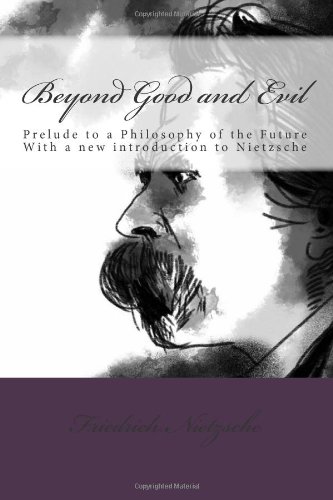
Nietzsche attacks traditional morality.
Best for: readers who want his main ideas.
2. Thus Spoke Zarathustra by Friedrich Nietzsche
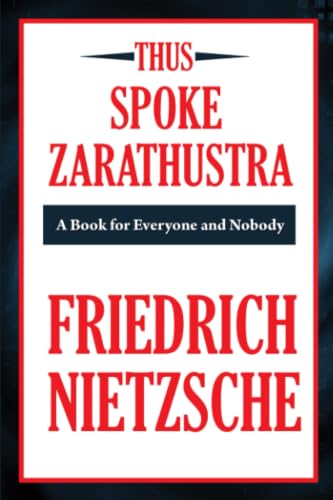
A prophet teaches the Übermensch.
Best for: readers who like poetic philosophy.
3. Twilight of the Idols by Friedrich Nietzsche
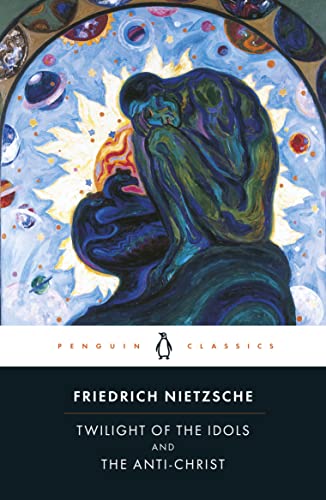
Nietzsche's concise attack on old values.
Best for: readers who want a short introduction.
4. I Am Dynamite! by Sue Prideaux
A biography of Nietzsche.
Best for: readers who want his life.
5. The Myth of Sisyphus by Albert Camus
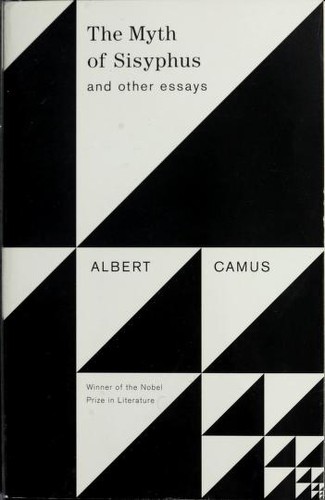
Camus explains how to live without meaning.
Best for: readers who like the absurd.
6. Existentialism Is a Humanism by Jean-Paul Sartre
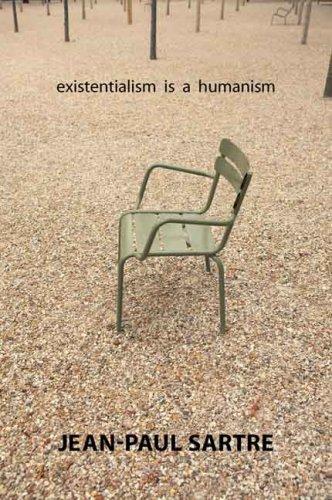
Sartre's short lecture on freedom.
Best for: readers who want existentialism.
7. At the Existentialist Café by Sarah Bakewell
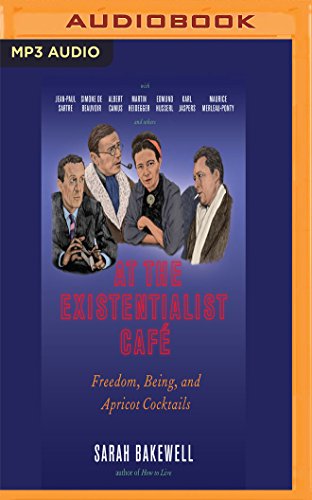
The story of existentialist thinkers.
Best for: readers who want a lively guide.
8. Notes from Underground by Fyodor Dostoevsky
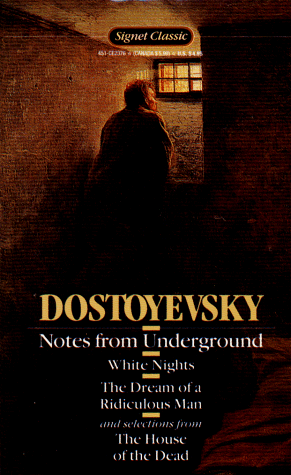
A bitter man rants against reason.
Best for: readers who like philosophical fiction.
9. Steppenwolf by Hermann Hesse
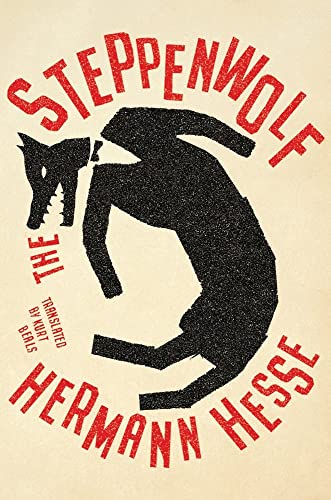
A lonely man feels torn between two natures.
Best for: readers who like Nietzschean themes.
10. Meditations by Marcus Aurelius
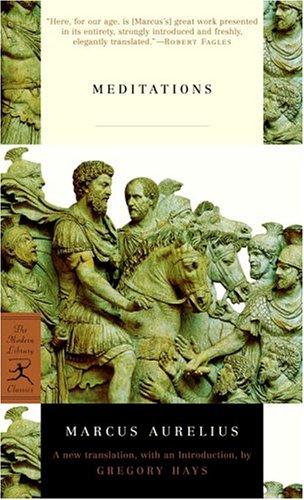
A Roman emperor's notes on living well.
Best for: readers who want ancient wisdom.
11. The Denial of Death by Ernest Becker
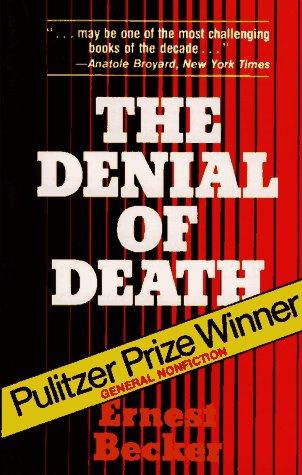
Becker argues fear of death drives human behavior.
Best for: readers who want big ideas.
12. Sophie's World by Jostein Gaarder
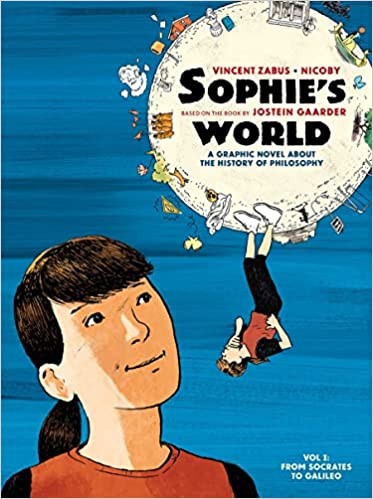
A girl learns the history of philosophy.
Best for: readers who want a friendly overview.
13. Man's Search for Meaning by Viktor E. Frankl
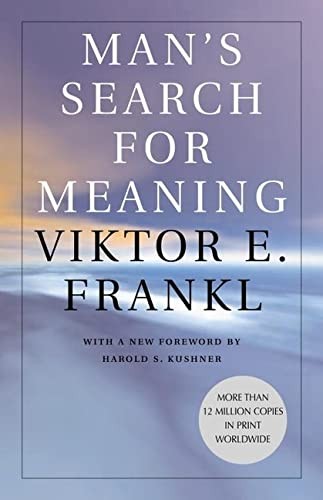
A Holocaust survivor explains meaning.
Best for: readers who want meaning in suffering.
14. The Fountainhead by Ayn Rand
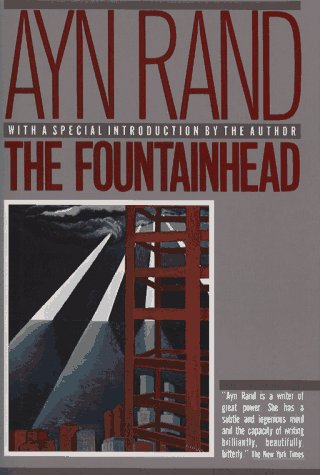
An architect fights for his vision.
Best for: readers who like individualism.
15. The Stranger by Albert Camus
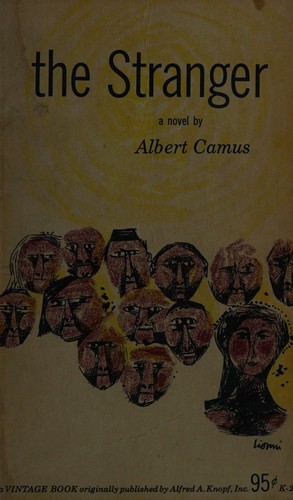
A detached man kills a stranger.
Best for: readers who like existential fiction.
How We Chose These Books
Every pick is a real, widely available book that shares something specific with Nietzsche: its tone, its themes, its pace or the kind of characters it puts at the center. We mixed well-known favorites with a few less obvious titles, and we noted who each book suits best so you can match it to the reader. Where a book belongs to a series, we list the first volume so you can start at the beginning.
If you are not sure where to begin, start with the first three picks in the table: they are the closest match to Nietzsche. The rest of the list moves further out, so it works well once you know which part of the original you liked most. If a pick is part of a longer series, read the first book before you commit, and check the age or content notes in the table before passing a book to a younger reader.
How to Choose
Start with Twilight of the Idols or Beyond Good and Evil for a direct taste, and read Thus Spoke Zarathustra when you are ready for his poetic side. I Am Dynamite! is a gripping biography. For the thinkers who followed, At the Existentialist Café is a lively guide. If you prefer novels, Notes from Underground and Steppenwolf bring similar questions to life.
Related: Beyond Good and Evil by Friedrich Nietzsche: Summary and Key Takeaways · Meditations by Marcus Aurelius: Summary and Key Takeaways
Frequently Asked Questions
Who was Friedrich Nietzsche?
A German philosopher of the 1800s known for challenging traditional morality.
Which Nietzsche book should I read first?
Twilight of the Idols or Beyond Good and Evil are good starting points.
What is the Übermensch?
Nietzsche's ideal of a person who creates their own values.
Was Nietzsche a Nazi?
No. He died in 1900, and his sister later distorted his work.
Is Nietzsche hard to read?
His style is vivid, but his ideas are complex and easy to misread.
What is eternal recurrence?
A thought experiment: would you live your life again exactly the same, forever?
What should I read about Nietzsche?
Sue Prideaux's I Am Dynamite! is an accessible biography.