
Disclosure: As an Amazon Associate, Bookish Wisdom earns from qualifying purchases. This doesn't change our picks or your price.
Quick answer: If you read Pedagogy of the Oppressed, continue with Pedagogy of Hope, bell hooks's Teaching to Transgress, Savage Inequalities and How Children Fail. All question schools and ask how teaching can be fairer and freer.
Paulo Freire's 1968 book argues against the banking model of education, where teachers deposit facts into students, and for dialogue and critical awareness. The books below carry that debate through classroom stories, research and social criticism. All are nonfiction, and all are real, in-print books. They come from several viewpoints, so read them as a conversation.
Table of Contents
Quick Picks at a Glance
| Book | Author | Ages | Best For |
|---|---|---|---|
| Pedagogy of Hope | Paulo Freire | Adult | more Freire |
| Teaching to Transgress | bell hooks | Adult | classroom practice |
| Teaching Community | bell hooks | Adult | community learning |
| Savage Inequalities | Jonathan Kozol | Adult | school inequality |
| Death at an Early Age | Jonathan Kozol | Adult | teacher memoirs |
| Other People's Children | Lisa Delpit | Adult | culture and teaching |
| How Children Fail | John Holt | Adult | why students struggle |
| Deschooling Society | Ivan Illich | Adult | radical ideas |
| Dumbing Us Down | John Taylor Gatto | Adult | school critique |
| The Dreamkeepers | Gloria Ladson-Billings | Adult | culturally relevant teaching |
| 36 Children | Herbert Kohl | Adult | a year in a classroom |
| Why Are All the Black Kids Sitting Together in the Cafeteria? | Beverly Daniel Tatum | Adult | identity and schools |
| Letters to a Young Teacher | Jonathan Kozol | Adult | new teachers |
| The Courage to Teach | Parker J. Palmer | Adult | teacher renewal |
| Lies My Teacher Told Me | James W. Loewen | Adult | history education |
1. Pedagogy of Hope by Paulo Freire
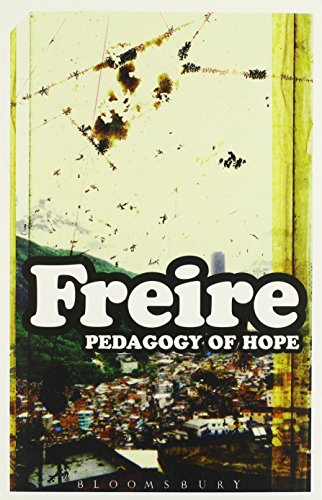
Freire revisits his earlier ideas and replies to critics. Warmer and more personal.
Best for: more Freire.
2. Teaching to Transgress by bell hooks
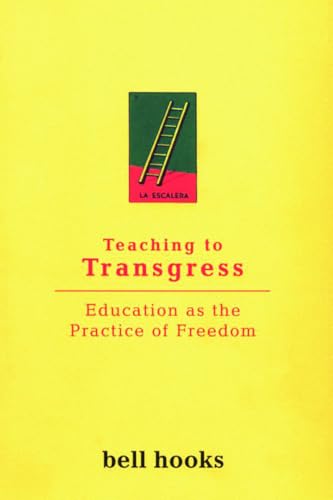
Essays on education as freedom, with stories from hooks's own teaching. Clear and encouraging.
Best for: classroom practice.
3. Teaching Community by bell hooks
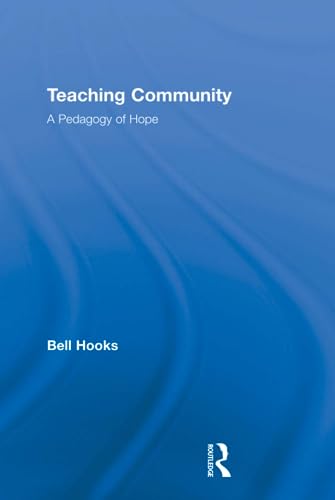
A follow-up on teaching and building community in the classroom. Short and hopeful.
Best for: community learning.
4. Savage Inequalities by Jonathan Kozol
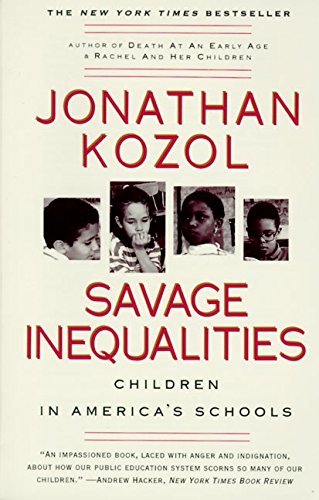
Visits poor and rich schools across America and shows the gap. Powerful and sobering.
Best for: school inequality.
5. Death at an Early Age by Jonathan Kozol
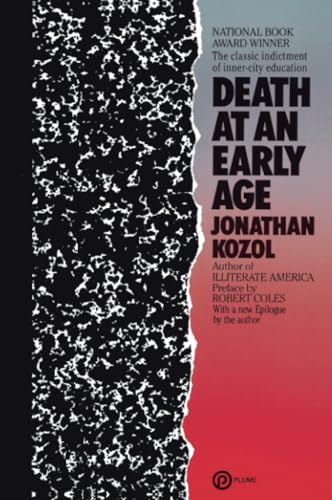
A young teacher in a segregated Boston school describes what he saw. A classic memoir of teaching.
Best for: teacher memoirs.
6. Other People's Children by Lisa Delpit
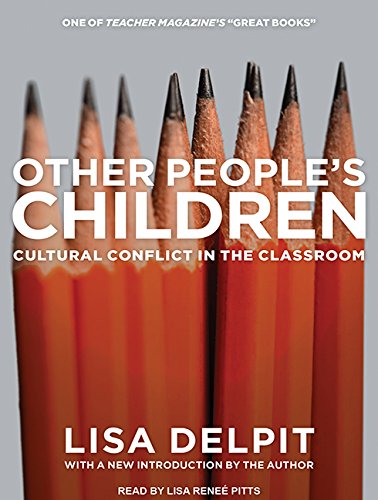
Explores cultural conflict in the classroom, especially for Black students. Thoughtful and practical.
Best for: culture and teaching.
7. How Children Fail by John Holt
A teacher's close observations of students show why they avoid risk. Short and sharp.
Best for: why students struggle.
8. Deschooling Society by Ivan Illich
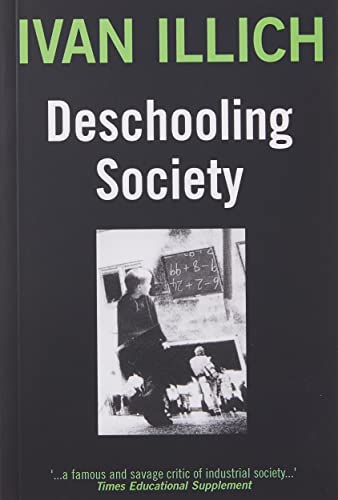
Argues that schools harm learning and proposes learning networks. Radical and short.
Best for: radical ideas.
9. Dumbing Us Down by John Taylor Gatto
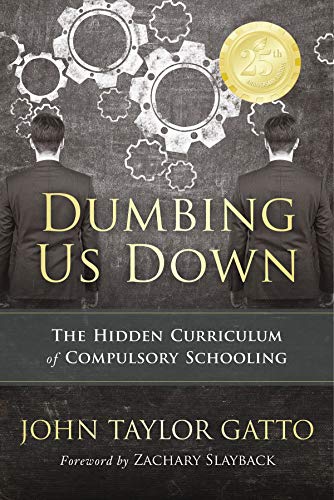
A former teacher of the year criticizes compulsory schooling. Provocative and debated.
Best for: school critique.
10. The Dreamkeepers by Gloria Ladson-Billings
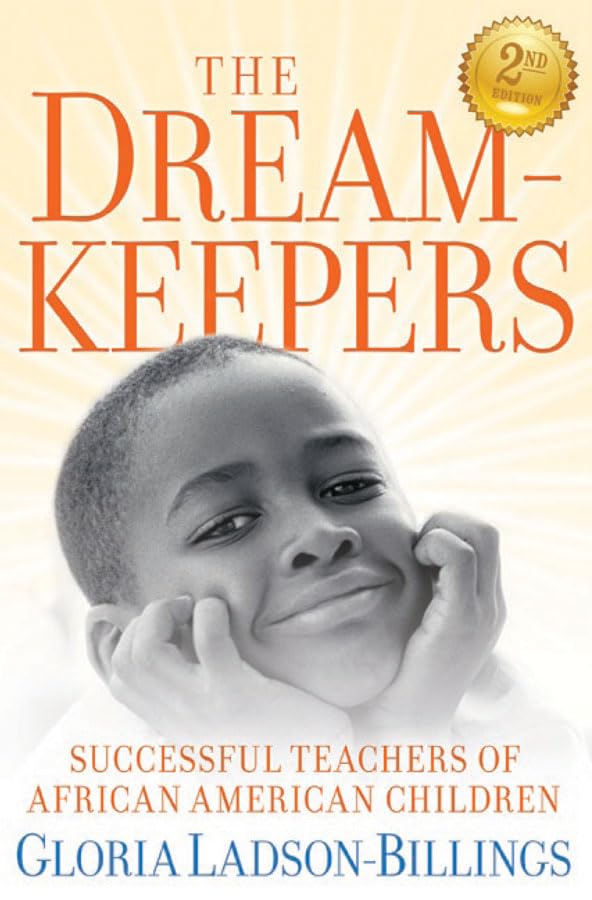
Portraits of successful teachers of African American students. Practical and hopeful.
Best for: culturally relevant teaching.
11. 36 Children by Herbert Kohl
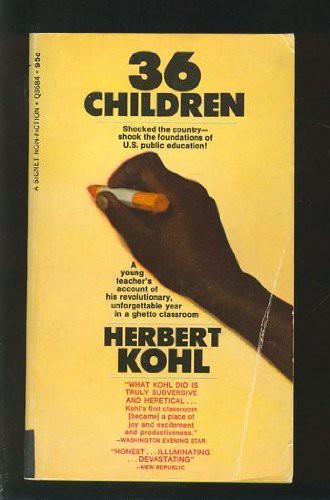
A teacher in Harlem describes a year with his sixth graders. Humane and lively.
Best for: a year in a classroom.
12. Why Are All the Black Kids Sitting Together in the Cafeteria? by Beverly Daniel Tatum
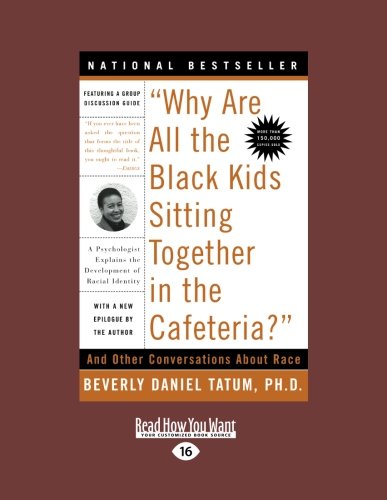
Explains how racial identity develops and how schools can respond. Clear and widely used.
Best for: identity and schools.
13. Letters to a Young Teacher by Jonathan Kozol
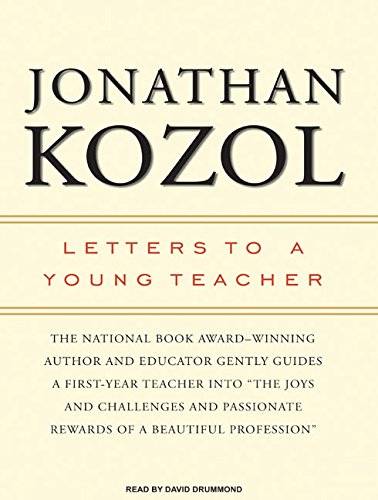
Kozol writes to a first-year teacher in Boston. Warm and wise.
Best for: new teachers.
14. The Courage to Teach by Parker J. Palmer
Reflects on the inner life of teachers and how to keep heart. Thoughtful and gentle.
Best for: teacher renewal.
15. Lies My Teacher Told Me by James W. Loewen
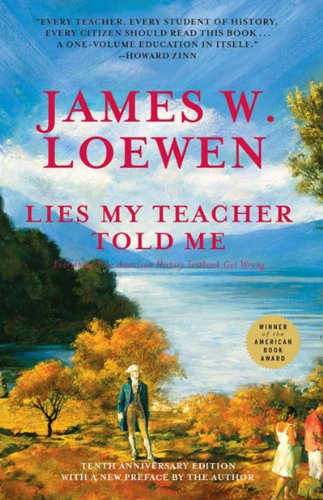
Shows how history textbooks distort the past. Lively and surprising.
Best for: history education.
How to Choose
For Freire's own words, read Pedagogy of Hope. For hands-on teaching, Teaching to Transgress and The Dreamkeepers. For inequality, Savage Inequalities. For new teachers, Letters to a Young Teacher. Pair a theory book with a classroom story to see ideas in action. If you teach, try one practical idea at a time. Ask students open questions, invite their experience and make room for dialogue. Reading groups of teachers can discuss one chapter a week, and many universities publish free syllabi built on Freire's work.
Related: 15 Books Like Wings of Fire Kids Will Love: Dragons, Quests and Animal Adventures · 12 Dystopian Books Like the Hunger Games | Best Books to Read Like Hunger Games
Frequently Asked Questions
What is Pedagogy of the Oppressed about?
It argues that education should be a dialogue that helps people understand and change their world, not a one-way transfer of facts.
What is the banking model?
It is Freire's term for teaching that treats students as empty accounts to be filled with information.
Is the book hard to read?
It is dense and philosophical, but many teachers read it in parts.
Who was Paulo Freire?
A Brazilian educator who taught adults to read and later worked around the world.
Where should I start?
Teaching to Transgress is shorter and easier than Freire's text.
Is Freire relevant to online learning?
Yes. His focus on dialogue and critical thinking applies to any setting, from classrooms to digital courses.
What is critical pedagogy?
It is an approach that treats education as a way to understand and challenge unfair social structures.
Which book is best for a first-year teacher?
Letters to a Young Teacher and The Courage to Teach are warm and practical.
Is Freire hard to read?
His prose can be dense, so read with a study guide or in a group.
Is Pedagogy of the Oppressed political?
Yes. Freire links education with social change, and the book is often read in political and educational studies.
Are there free resources on Freire?
Many universities post summaries and lecture videos, and the Freire Institute shares materials online.