
Disclosure: As an Amazon Associate, Bookish Wisdom earns from qualifying purchases. This doesn't change our picks or your price.
Quick answer: If you loved Pilgrim at Tinker Creek, read Walden, A Sand County Almanac, Desert Solitaire and Braiding Sweetgrass. All look closely at the natural world and ask what it means to live in it.
Annie Dillard's Pulitzer-winning 1974 book follows a year of watching a creek in Virginia, with sharp observation and wonder. The books below share that close attention to nature and lyrical, reflective writing. All are nonfiction, and all are real, in-print books.
Table of Contents
Quick Picks at a Glance
| Book | Author | Ages | Best For |
|---|---|---|---|
| Walden | Henry David Thoreau | Adult | the classic of simple living |
| A Sand County Almanac | Aldo Leopold | Adult | land ethic |
| Desert Solitaire | Edward Abbey | Adult | desert voices |
| The Outermost House | Henry Beston | Adult | seasonal solitude |
| Refuge | Terry Tempest Williams | Adult | nature and family |
| Braiding Sweetgrass | Robin Wall Kimmerer | Adult | science and story |
| Silent Spring | Rachel Carson | Adult | environmental classics |
| Gift from the Sea | Anne Morrow Lindbergh | Adult | quiet reflection |
| The Peregrine | J.A. Baker | Adult | intense nature writing |
| H Is for Hawk | Helen Macdonald | Adult | grief and animals |
| Teaching a Stone to Talk | Annie Dillard | Adult | more Dillard |
| Arctic Dreams | Barry Lopez | Adult | far north |
| The Immense Journey | Loren Eiseley | Adult | science and wonder |
| Landmarks | Robert Macfarlane | Adult | words and place |
| Upstream | Mary Oliver | Adult | poet's essays |
1. Walden by Henry David Thoreau
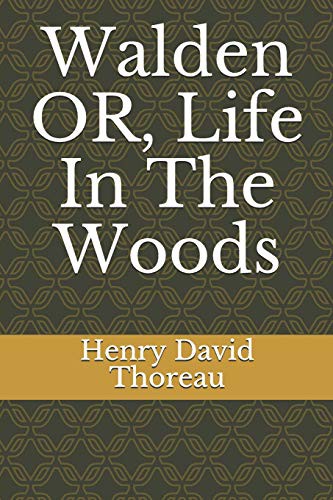
Thoreau lives for two years in a cabin and reflects on simplicity and nature. The foundation of American nature writing.
Best for: the classic of simple living.
2. A Sand County Almanac by Aldo Leopold
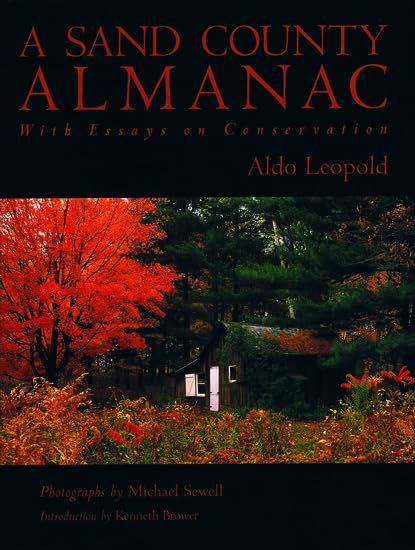
Essays through the seasons on a Wisconsin farm and a land ethic. Plain and eloquent.
Best for: land ethic.
3. Desert Solitaire by Edward Abbey
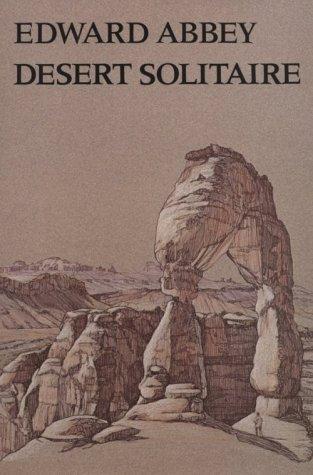
A season as a park ranger in Utah's desert, with humor and anger. Wild and vivid.
Best for: desert voices.
4. The Outermost House by Henry Beston
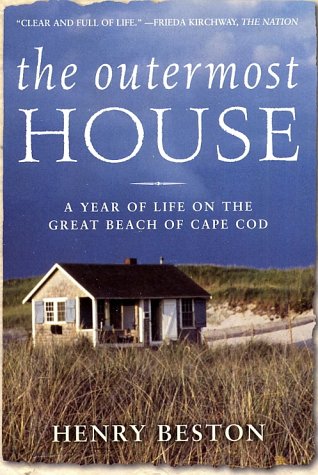
A year on the dunes of Cape Cod, written in the 1920s. Lyrical and calm.
Best for: seasonal solitude.
5. Refuge by Terry Tempest Williams
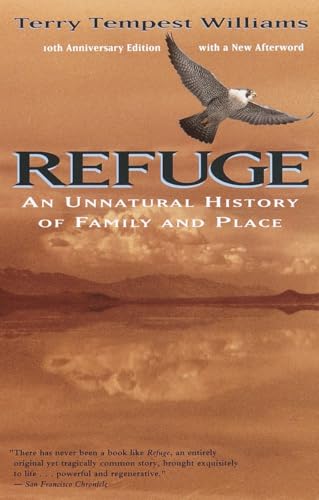
A naturalist writes of the Great Salt Lake and her mother's illness. Moving and poetic.
Best for: nature and family.
6. Braiding Sweetgrass by Robin Wall Kimmerer
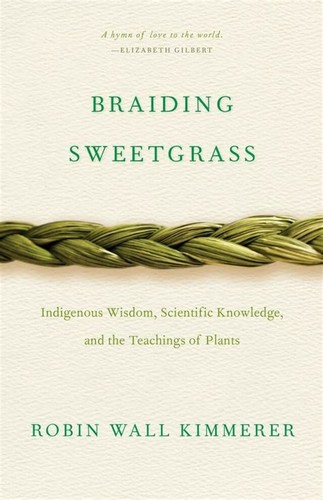
A botanist and Potawatomi writer blends science and indigenous wisdom. Warm and widely loved.
Best for: science and story.
7. Silent Spring by Rachel Carson
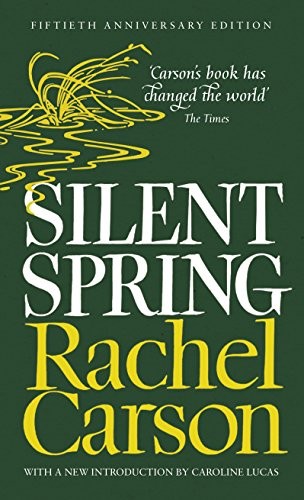
The 1962 book that exposed the dangers of pesticides. Clear, elegant and still important.
Best for: environmental classics.
8. Gift from the Sea by Anne Morrow Lindbergh
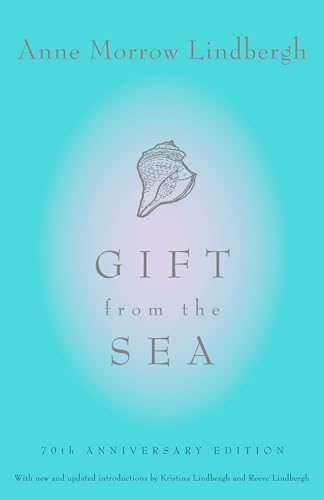
Short reflections on shells, women's lives and solitude. Gentle and wise.
Best for: quiet reflection.
9. The Peregrine by J.A. Baker
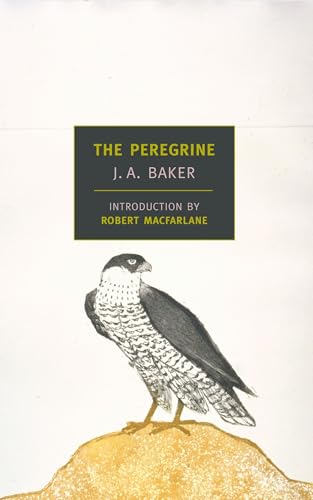
A man follows peregrine falcons through an English winter and writes in dense, poetic prose.
Best for: intense nature writing.
10. H Is for Hawk by Helen Macdonald
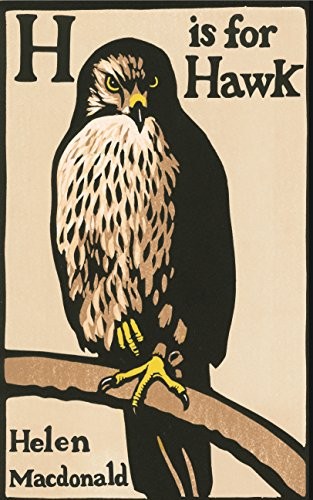
A woman trains a goshawk while grieving her father. Nature, memory and literature.
Best for: grief and animals.
11. Teaching a Stone to Talk by Annie Dillard
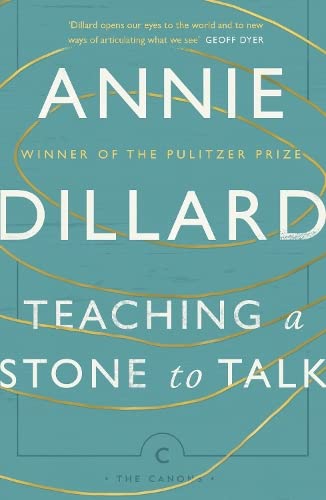
Essays on nature, an eclipse and a visit to the Galápagos. Dillard's wonder in short form.
Best for: more Dillard.
12. Arctic Dreams by Barry Lopez
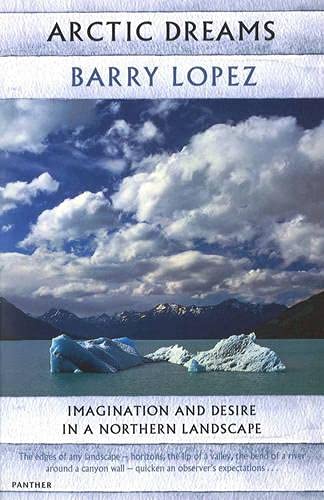
A deep and poetic portrait of the Arctic. Slow and rewarding.
Best for: far north.
13. The Immense Journey by Loren Eiseley
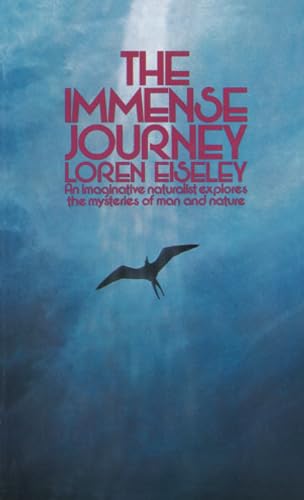
Essays by a naturalist on evolution and wonder. Lyrical and humane.
Best for: science and wonder.
14. Landmarks by Robert Macfarlane
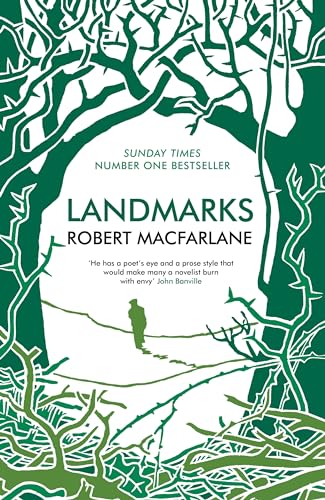
Explores the words people use for landscapes and the way language shapes nature. A lovely, thoughtful book.
Best for: words and place.
15. Upstream by Mary Oliver
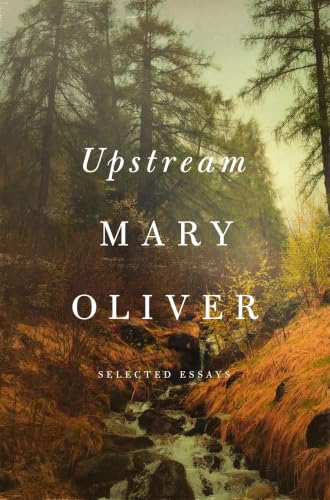
Essays on nature, reading and writing. Quiet and luminous.
Best for: poet's essays.
How to Choose
For more Dillard, read Teaching a Stone to Talk. For classic nature writing, Walden and A Sand County Almanac. For desert and humor, Desert Solitaire. For indigenous perspectives, Braiding Sweetgrass. Take a chapter outdoors with you and look closely at something small. Nature writing is best read outside. Choose a chapter, find a quiet corner of a park or a window with a view, and observe a small patch of ground for ten minutes after reading. Keep a notebook, as Dillard did, and record what you see. A good project is to read one chapter a week for a season and keep a nature journal alongside.
Related: Elm Creek Quilts Books in Chronological Order · 12 Dystopian Books Like the Hunger Games | Best Books to Read Like Hunger Games
Frequently Asked Questions
What is Pilgrim at Tinker Creek about?
Dillard watches a creek in Virginia for a year and writes about animals, plants and the strangeness of nature.
Did it win a prize?
Yes. It won the Pulitzer Prize for General Nonfiction in 1975.
Is it an easy read?
The prose is dense and poetic, so it rewards slow reading.
Is it religious?
Dillard reflects on nature's beauty and cruelty and on the idea of God, but the book is mainly about observation.
What should I read next?
Many readers continue with Walden or Braiding Sweetgrass.
Where is Tinker Creek?
It is a creek in the Roanoke Valley of Virginia, near Hollins College where Dillard lived.
Is Pilgrim at Tinker Creek a religious book?
It includes reflections on God and nature, but it is mainly observation and wonder.
Who was Annie Dillard?
An American author who won the Pulitzer Prize at age 29.
Is the book difficult?
Its prose is rich, but chapters are short and can be read separately.
What should I read after Dillard?
Teaching a Stone to Talk and Walden are good follow-ups.
Does the book have a plot?
No. It follows a year of observation, with reflections on the creek, its creatures and the seasons.
What is the most famous scene?
A frog being drained by a giant water bug is one of the book's best-known passages.