
Disclosure: As an Amazon Associate, Bookish Wisdom earns from qualifying purchases. This doesn't change our picks or your price.
Quick answer: If you read Push, read Sapphire's The Kid, then The Color Purple, I Know Why the Caged Bird Sings, The Bluest Eye and Their Eyes Were Watching God. All are powerful books about Black women and girls surviving violence, finding voice and claiming dignity.
Sapphire's 1996 novel follows Claireece “Precious” Jones, a Harlem teenager who is abused, pregnant and illiterate, and learns to read and write with the help of a teacher. It is raw, harrowing and ultimately about the power of language. Please note that Push contains graphic abuse. The books below offer similar stories of survival and voice, some gentler and some just as intense.
Table of Contents
Quick Picks at a Glance
| Book | Author | Ages | Best For |
|---|---|---|---|
| The Kid | Sapphire | Adult | the follow-up |
| The Color Purple | Alice Walker | Adult | letters and survival |
| I Know Why the Caged Bird Sings | Maya Angelou | Adult | memoir |
| The Bluest Eye | Toni Morrison | Adult | harrowing classic |
| Beloved | Toni Morrison | Adult | haunting history |
| Their Eyes Were Watching God | Zora Neale Hurston | Adult | finding a voice |
| Sula | Toni Morrison | Adult | friendship and betrayal |
| The Glass Castle | Jeannette Walls | Adult | memoir of hardship |
| Educated | Tara Westover | Adult | memoir of education |
| Hunger | Roxane Gay | Adult | memoir of the body |
| Born a Crime | Trevor Noah | Adult | funny and moving |
| Another Brooklyn | Jacqueline Woodson | Adult | girlhood in verse-like prose |
| Brown Girl Dreaming | Jacqueline Woodson | Teen | memoir in verse |
| The Women of Brewster Place | Gloria Naylor | Adult | linked lives |
| Girl, Woman, Other | Bernardine Evaristo | Adult | many voices |
1. The Kid by Sapphire
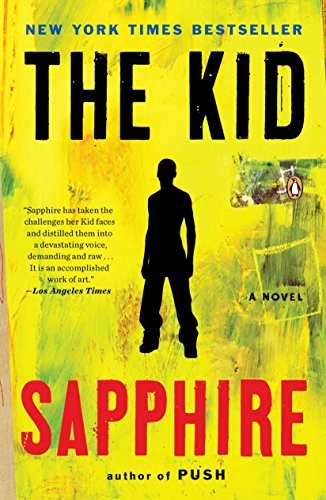
Precious's son, Abdul, grows up in a harsh world. A heavy but important companion.
Best for: the follow-up.
2. The Color Purple by Alice Walker
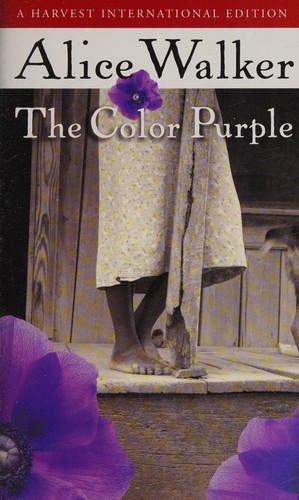
Celie writes letters to herself and finds love and strength. A landmark of American literature.
Best for: letters and survival.
3. I Know Why the Caged Bird Sings by Maya Angelou
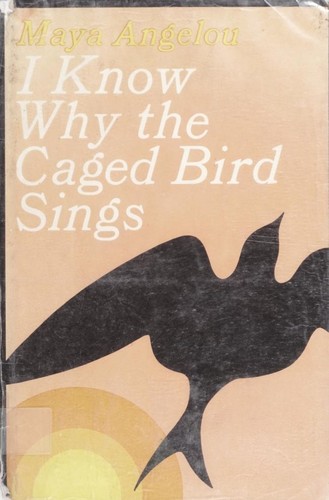
Angelou tells of her childhood in the segregated South. Beautifully written and brave.
Best for: memoir.
4. The Bluest Eye by Toni Morrison
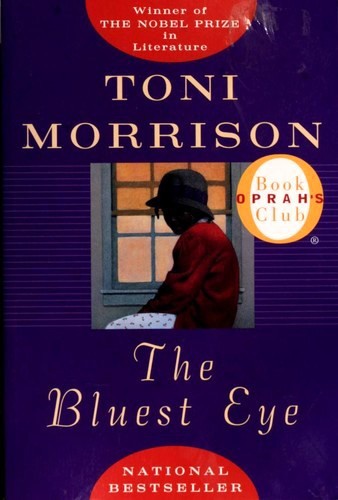
A young Black girl longs for blue eyes in 1940s Ohio. Haunting and poetic.
Best for: harrowing classic.
5. Beloved by Toni Morrison
A former slave is haunted by her past. Powerful and unforgettable.
Best for: haunting history.
6. Their Eyes Were Watching God by Zora Neale Hurston
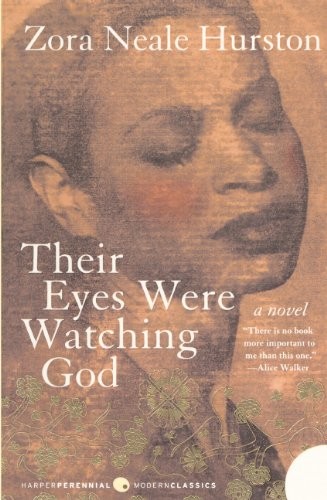
Janie Crawford tells her story of love and independence. Lyrical and classic.
Best for: finding a voice.
7. Sula by Toni Morrison
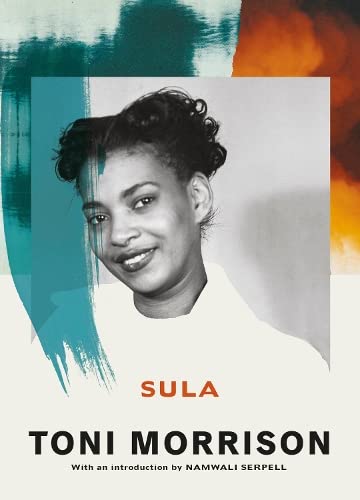
Two women grow up together in a Black community in Ohio. Compact and profound.
Best for: friendship and betrayal.
8. The Glass Castle by Jeannette Walls
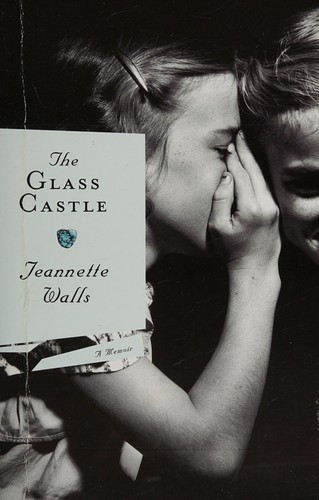
A woman recalls growing up poor with eccentric parents. Compelling and honest.
Best for: memoir of hardship.
9. Educated by Tara Westover
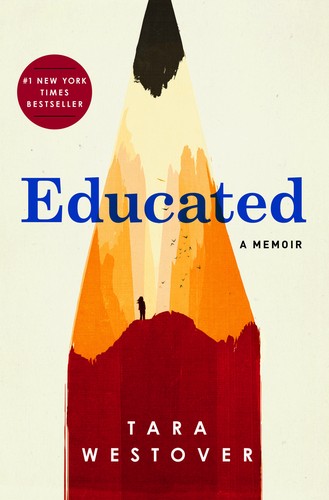
A woman raised off the grid teaches herself and goes to university. Powerful and moving.
Best for: memoir of education.
10. Hunger by Roxane Gay
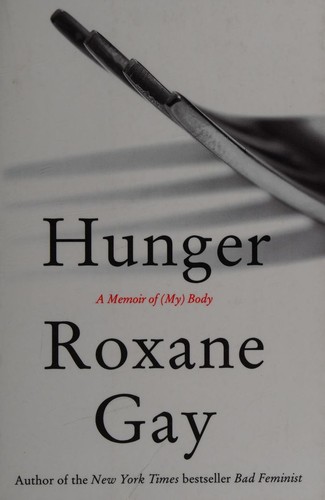
Gay writes honestly about trauma and body image. Fierce and tender.
Best for: memoir of the body.
11. Born a Crime by Trevor Noah
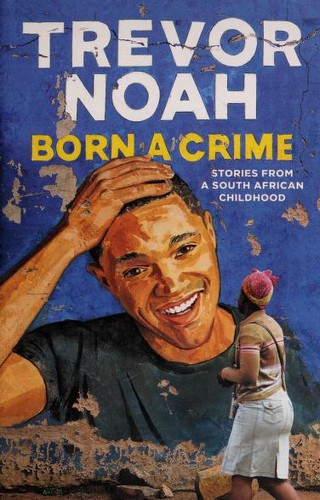
Noah recounts growing up in apartheid South Africa. Humorous and humane.
Best for: funny and moving.
12. Another Brooklyn by Jacqueline Woodson
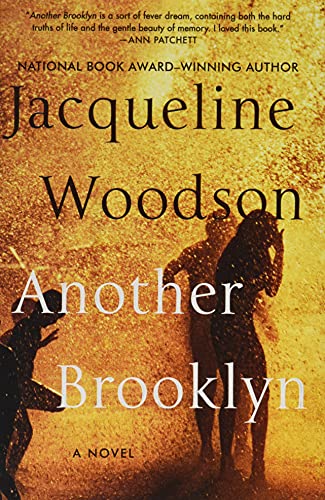
Four girls grow up in 1970s Brooklyn. Short, poetic and haunting.
Best for: girlhood in verse-like prose.
13. Brown Girl Dreaming by Jacqueline Woodson
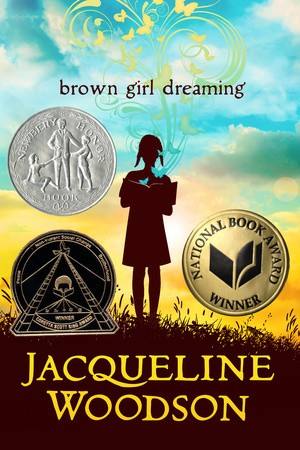
Woodson recalls her childhood in free verse. Gentle and lyrical.
Best for: memoir in verse.
14. The Women of Brewster Place by Gloria Naylor
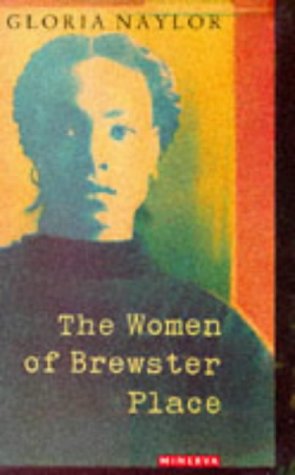
Seven women in a Black neighbourhood share their stories. Moving and warm.
Best for: linked lives.
15. Girl, Woman, Other by Bernardine Evaristo
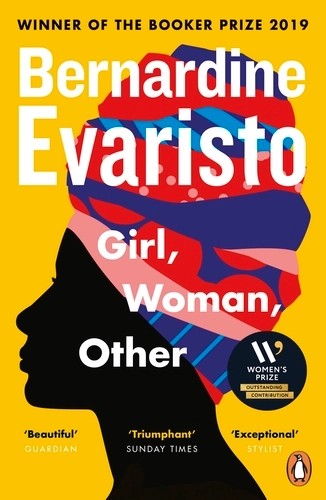
Twelve interlinked lives in Britain. Joyful, bold and Booker-winning.
Best for: many voices.
How to Choose
For more Sapphire read The Kid. For classic voices choose Alice Walker, Toni Morrison or Zora Neale Hurston. For memoirs pick I Know Why the Caged Bird Sings, The Glass Castle or Educated. For a lighter, hopeful read try Born a Crime or Girl, Woman, Other. Push contains sexual abuse and violence, so many of these books are for mature readers, and a content check is wise. Many readers find it helps to read one heavy book and then a lighter memoir, and book clubs often add a discussion guide. Because Push is so intense, many readers prefer to continue with books that treat similar themes with different tones. I Know Why the Caged Bird Sings and Brown Girl Dreaming are quieter, while Born a Crime brings humour into a hard story. If you want to read more literary fiction, Morrison and Hurston reward slow reading. Take breaks between heavy books and choose a lighter title in between.
Related: The Push Book Club Discussion Questions (With Summary and Themes) · 12 Dystopian Books Like the Hunger Games | Best Books to Read Like Hunger Games
Frequently Asked Questions
What is Push about?
A Harlem teenager who is abused and illiterate learns to read and write.
Who wrote it?
Sapphire, the pen name of Ramona Lofton.
When was it published?
1996.
Was it made into a film?
Yes, the 2009 film Precious.
Is it graphic?
Yes, it includes sexual abuse and violence.
Is it suitable for teens?
It is for mature readers, usually older teens and adults.
Is the ending hopeful?
It offers hope through writing and community.
What should I read next?
Try The Color Purple or I Know Why the Caged Bird Sings.
Is Precious the same as Push?
The 2009 film Precious is based on the novel Push, and later editions of the book carry the film tie-in title.
Is there a content warning?
Yes. The book includes sexual abuse, violence and strong language.