

Disclosure: As an Amazon Associate, Bookish Wisdom earns from qualifying purchases. This doesn’t change our picks or your price.
Quick answer: If you loved Sapiens by Yuval Noah Harari, try Guns, Germs, and Steel by Jared Diamond, The Dawn of Everything by David Graeber and David Wengrow, Homo Deus by Yuval Noah Harari, A Short History of Nearly Everything by Bill Bryson, Humankind by Rutger Bregman and The Silk Roads by Peter Frankopan.
Sapiens became a global phenomenon and made big-picture history popular. The books below share its ambition, covering human evolution, the rise of civilizations, science and the future. Some agree with Harari’s ideas and some challenge them, which makes them great to read side by side.
Table of Contents
Why Readers Love Sapiens
Sapiens tells the whole history of humankind in one bold, readable book. Yuval Noah Harari argues that our species conquered the world because we can believe in shared fictions like money, nations and religions, and he moves from the Stone Age to the agricultural, scientific and capitalist revolutions. Readers love its big ideas, provocative questions and clear writing. If you loved its sweep and its challenges to how you see the world, these picks fit.
How We Chose These Books
Every pick below shares at least one thing readers loved about Sapiens: its characters, its mood, its setting or the questions it raises. We mixed well-known favorites with a few less obvious choices, and we noted the genre and who each book suits best in the table, so you can scan for the right fit before you read the blurbs.
We kept every description spoiler-free and flagged mature content where it matters, since some of these books are written for adults and others suit teens. If you’re not sure where to start, the tips near the end of this list match each pick to what you loved most. The FAQ at the bottom answers the questions readers ask most often.
Quick Picks at a Glance
| Book | Author | Category | Best For |
|---|---|---|---|
| Guns, Germs, and Steel | Jared Diamond | History | Why civilizations differ |
| The Dawn of Everything | David Graeber and David Wengrow | History | A challenge to Sapiens |
| Homo Deus | Yuval Noah Harari | Big ideas | Harari on the future |
| 21 Lessons for the 21st Century | Yuval Noah Harari | Big ideas | Harari on today |
| A Short History of Nearly Everything | Bill Bryson | Popular science | Science with humor |
| Humankind | Rutger Bregman | History | A hopeful view |
| The Silk Roads | Peter Frankopan | History | Global history |
| Collapse | Jared Diamond | History | Why societies fail |
| The Selfish Gene | Richard Dawkins | Science | Evolution |
| The Better Angels of Our Nature | Steven Pinker | History | Violence and progress |
| Origin Story | David Christian | Big history | From the Big Bang to today |
| Behave | Robert M. Sapolsky | Science | Why we act the way we do |
| The Body | Bill Bryson | Popular science | Human biology |
| Factfulness | Hans Rosling | Data | Seeing the world clearly |
| Sapiens: A Graphic History | Yuval Noah Harari and David Vandermeulen | Graphic nonfiction | Visual learners |
1. Guns, Germs, and Steel by Jared Diamond
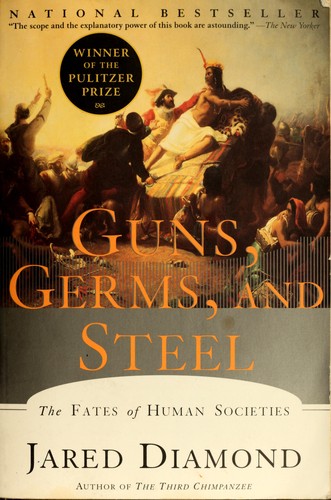
Diamond argues that geography shaped which societies came to dominate. It won the Pulitzer Prize.
2. The Dawn of Everything by David Graeber and David Wengrow
An anthropologist and an archaeologist argue that early human societies were far more varied than the standard story suggests.
3. Homo Deus by Yuval Noah Harari

Harari looks ahead to what humans might become in an age of AI and biotechnology.
4. 21 Lessons for the 21st Century by Yuval Noah Harari

Harari tackles current issues from fake news to work and meaning.
5. A Short History of Nearly Everything by Bill Bryson

Bryson explains how we know what we know about the universe, Earth and life. It’s funny and fascinating.
6. Humankind by Rutger Bregman
Bregman argues that humans are mostly kind, challenging cynical views.
7. The Silk Roads by Peter Frankopan
World history told from the perspective of the lands between East and West.
8. Collapse by Jared Diamond
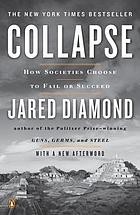
Diamond examines why some societies collapse and others survive.
9. The Selfish Gene by Richard Dawkins

Dawkins explains evolution from the gene’s point of view. It’s a classic.
10. The Better Angels of Our Nature by Steven Pinker

Pinker argues that violence has declined over human history.
11. Origin Story by David Christian
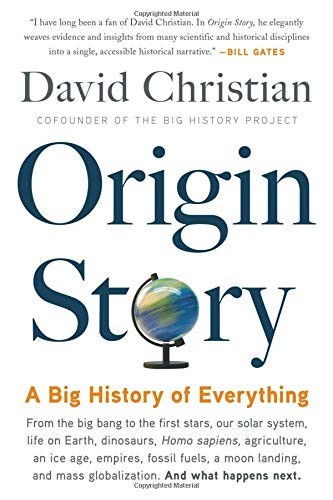
Christian tells the story of everything, from the universe’s beginning to modern humans.
12. Behave by Robert M. Sapolsky

Sapolsky explains human behavior from neurons to culture. It’s long and brilliant.
13. The Body by Bill Bryson
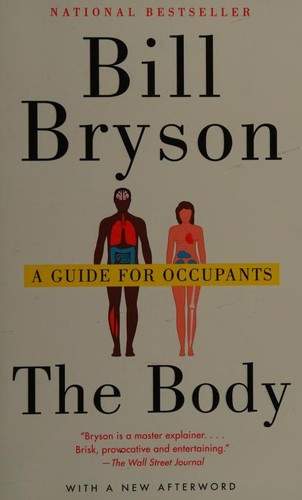
Bryson explores the human body with humor and wonder.
14. Factfulness by Hans Rosling
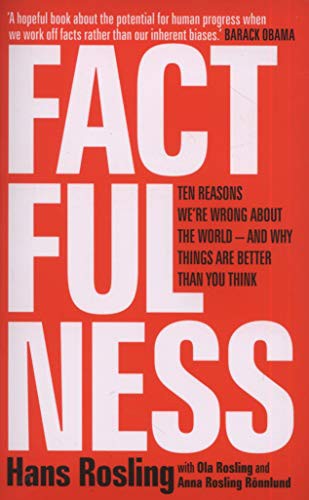
Rosling shows that the world is better than we think.
15. Sapiens: A Graphic History by Yuval Noah Harari and David Vandermeulen

The graphic novel version of Sapiens is lively and accessible.
How to Pick Your Next Read After Sapiens
- Want more Harari? Homo Deus and 21 Lessons.
- Want a counterargument? The Dawn of Everything.
- Want classic big history? Guns, Germs, and Steel.
- Want science? A Short History of Nearly Everything.
- Want hope? Humankind and Factfulness.
- Read critically. Big-picture books simplify complex debates.
Reading Big History Critically
Sapiens is thrilling because it tells a huge story with confidence, but historians and scientists have criticized some of its broad claims. That’s true of many big-picture books. A good habit is to read two books that disagree, such as Sapiens and The Dawn of Everything, and compare their arguments. Checking the endnotes and seeing which ideas are widely accepted and which are the author’s own speculation will make you a sharper reader.
Related: Guns, Germs, and Steel summary and Homo Deus summary.
Frequently Asked Questions
What should I read after Sapiens?
Try Guns, Germs, and Steel, The Dawn of Everything, Homo Deus or A Short History of Nearly Everything.
Is Homo Deus a sequel to Sapiens?
Yes. Homo Deus looks at humanity’s future, following Sapiens’s history of the past.
What book disagrees with Sapiens?
The Dawn of Everything by David Graeber and David Wengrow challenges many of the standard ideas about early human history.