

Disclosure: As an Amazon Associate, Bookish Wisdom earns from qualifying purchases. This doesn't change our picks or your price.
Quick answer: If you loved Speak, try Shout, Wintergirls, All the Rage, Exit, Pursued by a Bear, The Way I Used to Be and What We Saw. Each one is an honest young adult story about trauma, silence, recovery or finding the courage to be heard.
Laurie Halse Anderson's modern classic follows Melinda, a high school freshman who has become an outcast after calling the police at a summer party. She has almost stopped speaking, and only slowly does the reader learn that she was sexually assaulted at that party. Readers love her dark humor, her art class and the slow return of her voice. These books share its honesty, its concern for survivors and its hard-won hope. Some deal with sexual assault directly, so check content notes if needed.
Table of Contents
Quick Picks at a Glance
| Book | Author | Age | Best For |
|---|---|---|---|
| Shout | Laurie Halse Anderson | YA | readers who want the author's own story |
| Wintergirls | Laurie Halse Anderson | YA | readers who want more from Anderson |
| All the Rage | Courtney Summers | YA | readers who want raw anger |
| Exit, Pursued by a Bear | E.K. Johnston | YA | readers who want a supportive story |
| The Way I Used to Be | Amber Smith | YA | readers who want a longer view of recovery |
| What We Saw | Aaron Hartzler | YA | readers who like bystander stories |
| Asking for It | Louise O'Neill | YA | readers ready for a very dark book |
| Moxie | Jennifer Mathieu | YA | readers who want hope and action |
| The Perks of Being a Wallflower | Stephen Chbosky | YA | readers who love a lonely narrator |
| Thirteen Reasons Why | Jay Asher | YA | readers who like high school mysteries |
| Girl in Pieces | Kathleen Glasgow | YA | readers who want a recovery story |
| Looking for Alaska | John Green | YA | readers who like boarding school grief |
| It's Kind of a Funny Story | Ned Vizzini | YA | readers who want dark humor |
| Every Last Word | Tamara Ireland Stone | YA | readers who like poetry and healing |
| The Hate U Give | Angie Thomas | YA | readers who want a heroine finding her voice |
1. Shout by Laurie Halse Anderson
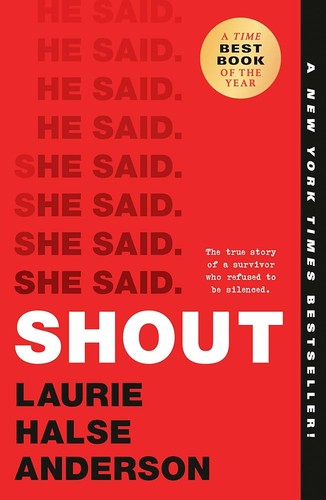
Anderson's memoir in verse tells of her own assault and of the readers Speak reached.
Best for: readers who want the author's own story.
2. Wintergirls by Laurie Halse Anderson

A teen struggling with anorexia is haunted by the death of her best friend.
Best for: readers who want more from Anderson.
3. All the Rage by Courtney Summers
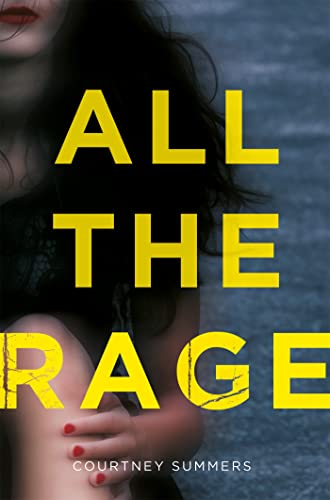
A girl no one believed returns to her town as another girl goes missing.
Best for: readers who want raw anger.
4. Exit, Pursued by a Bear by E.K. Johnston
A cheerleader is assaulted at camp and her friends and team stand by her.
Best for: readers who want a supportive story.
5. The Way I Used to Be by Amber Smith
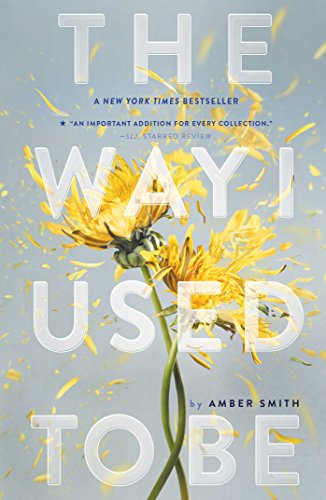
A girl's life changes over four years of high school after an assault.
Best for: readers who want a longer view of recovery.
6. What We Saw by Aaron Hartzler
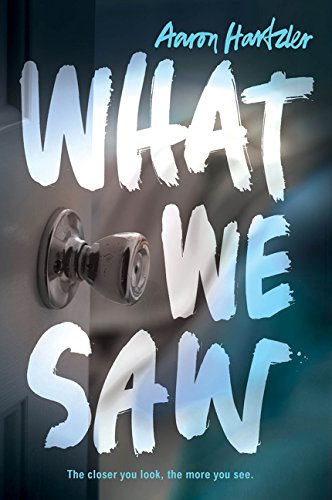
A teen starts to question her town when a party leads to a criminal case.
Best for: readers who like bystander stories.
7. Asking for It by Louise O'Neill
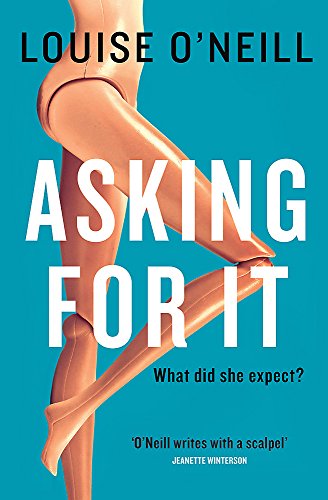
A popular Irish girl is blamed after photos of an assault spread online.
Best for: readers ready for a very dark book.
8. Moxie by Jennifer Mathieu

A quiet girl starts a feminist zine that shakes up her Texas high school.
Best for: readers who want hope and action.
9. The Perks of Being a Wallflower by Stephen Chbosky
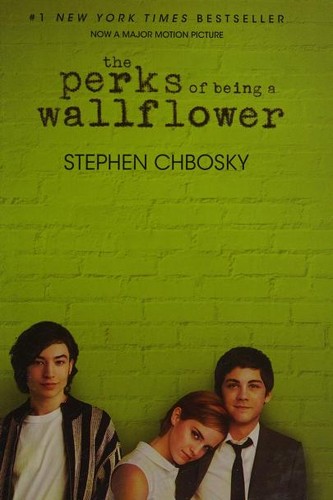
A shy freshman writes letters about friendship and a buried memory.
Best for: readers who love a lonely narrator.
10. Thirteen Reasons Why by Jay Asher
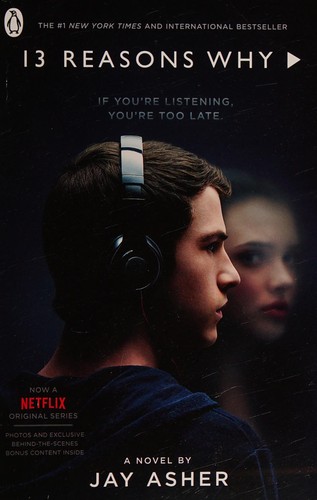
A boy listens to tapes left behind by a classmate who died by suicide.
Best for: readers who like high school mysteries.
11. Girl in Pieces by Kathleen Glasgow
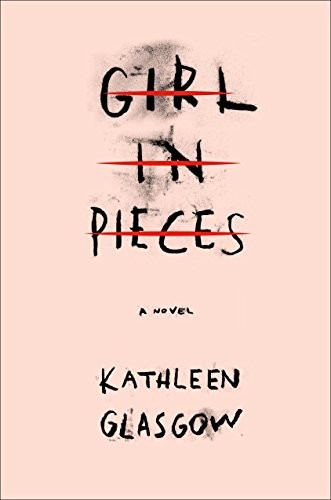
A teen who self-harms learns to survive after a long stay in treatment.
Best for: readers who want a recovery story.
12. Looking for Alaska by John Green
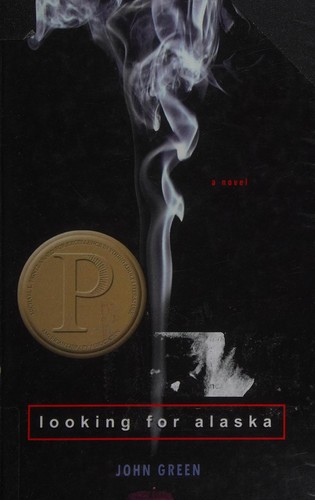
A boy at a boarding school is changed forever by one unforgettable girl.
Best for: readers who like boarding school grief.
13. It's Kind of a Funny Story by Ned Vizzini

An overwhelmed teen checks himself into a psychiatric ward and starts to heal.
Best for: readers who want dark humor.
14. Every Last Word by Tamara Ireland Stone
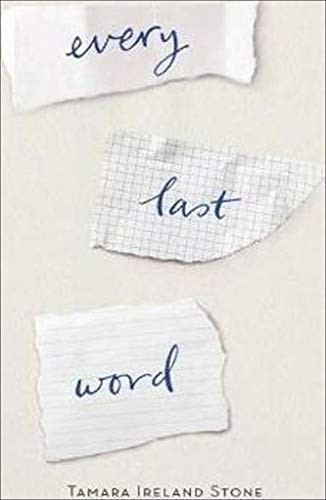
A girl with OCD finds a secret poetry club at her school.
Best for: readers who like poetry and healing.
15. The Hate U Give by Angie Thomas
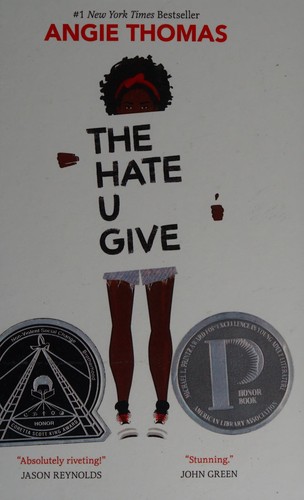
A girl speaks out after police kill her childhood friend.
Best for: readers who want a heroine finding her voice.
How to Choose
Read Shout first if you want to know what Speak meant to its author and its readers. For the same theme, Exit, Pursued by a Bear is the most hopeful choice, because its heroine is believed and supported, while All the Rage and Asking for It are far angrier and harder to read. If you loved Melinda's voice more than the subject, The Perks of Being a Wallflower and It's Kind of a Funny Story offer a similar mix of wit and pain. For a story where young people push back, go to Moxie or The Hate U Give. These are heavy books, so pacing yourself is sensible, and alternating them with something lighter can help. If you are reading with a teen, a parent or teacher can use them to start good conversations.
Related: What Age Is Speak by Laurie Halse Anderson Appropriate For? A Parent’s Guide · 12 Dystopian Books Like the Hunger Games | Best Books to Read Like Hunger Games
Frequently Asked Questions
What is Speak about?
Melinda starts high school as an outcast after calling the police at a party, and she slowly finds the words to say what happened to her.
What age is Speak appropriate for?
It is usually taught from about ages 13 or 14 and up because of its subject matter.
Is Speak based on a true story?
Speak is fiction, but Anderson has said she drew on her own experience of being assaulted, which she describes in Shout.
Is there a movie of Speak?
Yes. A film adaptation starring Kristen Stewart as Melinda came out in 2004.
Is there a graphic novel of Speak?
Yes. Speak: The Graphic Novel, illustrated by Emily Carroll, came out in 2018.
Why is Speak taught in schools?
It helps students discuss consent, trauma and the importance of asking for help.