
Disclosure: As an Amazon Associate, Bookish Wisdom earns from qualifying purchases. This doesn’t change our picks or your price.
Quick answer: Speak by Laurie Halse Anderson is best for ages 13 or 14 and up. It’s about a ninth grader who stops speaking after being raped at a party, and while the assault is described in a brief, non-graphic flashback, the book also includes depression, self-harm, bullying and mild language.
Quick facts
Recommended age: 13+ (14+ for many families)
Reading level: Middle school to teen
Genre: YA contemporary fiction
Published: 1999; National Book Award finalist and Printz Honor
Main concerns: Rape, depression, self-harm
Graphic novel: A graphic novel adaptation is available
Speak is one of the most important young adult novels ever written about sexual assault, and it’s taught in many middle and high schools. It’s honest, darkly funny and ultimately hopeful. It has also been frequently challenged. This guide explains what’s in it and how to talk about its subject with your teen.
Table of Contents
What Is Speak About?
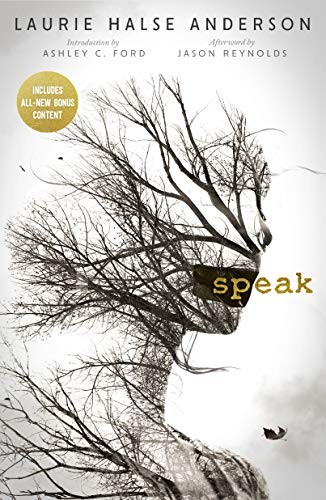
Melinda Sordino starts ninth grade as an outcast. Over the summer, she called the police at a party, and now everyone hates her. No one knows why she made the call, and Melinda barely speaks to anyone.
Through her sarcastic, observant narration, readers gradually learn the truth: she was raped at the party by a popular senior. With the help of an art teacher and a year-long art project, Melinda slowly finds her voice.
Check price of Speak on Amazon
Content Guide for Parents
| Content | Level | What to Expect |
|---|---|---|
| Sexual assault | Central | Melinda’s rape is described in a short, non-graphic flashback. |
| Depression | Significant | Melinda isolates herself, stops speaking and struggles at school. |
| Self-harm | Present | Melinda scratches her wrist with a paper clip. |
| Bullying | Moderate | Classmates shun and mock Melinda. |
| Language | Mild | Some mild swearing. |
| Positive messages | Very strong | Speaking up, healing, art and the importance of support. |
Age-by-Age Breakdown
| Age | Is Speak a Good Fit? |
|---|---|
| Under 12 | Not recommended; try Fighting Words for a middle-grade approach. |
| 12 to 13 | Possible for mature readers with a parent’s involvement. |
| 14 and up | The sweet spot; it’s often taught in eighth or ninth grade. |
| Adults | Valuable for parents who want to understand teen experiences. |
Why Speak Is Taught in Schools
Speak helps teens understand sexual assault, consent and the importance of telling someone. It shows how trauma can affect a person and how support and creativity can help healing. Many survivors have said the book helped them speak up.
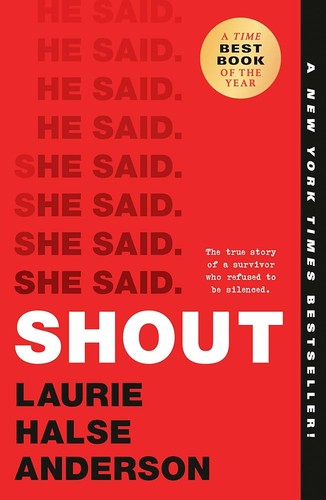
Laurie Halse Anderson later wrote Shout, a memoir in verse about her own assault and the letters she received from readers.
Is Speak Okay for a 12- or 13-Year-Old?
Many schools teach it in eighth grade, and mature 12- and 13-year-olds can handle it, especially with a parent or teacher to talk to. The assault isn’t graphic, but the subject is serious.
For younger readers, Fighting Words by Kimberly Brubaker Bradley addresses abuse in a middle-grade-appropriate way.
What Parents Should Know
- It’s frequently challenged. Mostly because of the rape.
- It’s ultimately hopeful. Melinda finds her voice.
- It opens important conversations. About consent and asking for help.
- There’s a graphic novel version. Illustrated by Emily Carroll.
- There’s a 2004 film. It stars Kristen Stewart as Melinda.
How to Tell If Your Child Is Ready for Speak
- Read the first chapter yourself. Ten minutes with the opening pages tells you a lot about the tone of Speak.
- Think about what upsets your child. Every child is different, so match the content table above to your own child rather than to their age alone.
- Ask what they already know. Kids often hear about popular books from friends, so ask what they expect and why they want to read it.
- Offer to read it together. Reading at the same time, or aloud, makes it easy to pause and talk about hard scenes.
- Keep the door open. Tell your child they can stop at any time and come to you with questions.
A Simple Plan for Reading Speak Together
- Before reading: look at the cover and blurb together and ask what your child expects from Speak.
- While reading: check in every few chapters with one open question, such as “What surprised you?”
- After a hard scene: ask how it made them feel rather than what it means.
- After finishing: talk about the ending, then let your child choose what to read next from the suggestions below.
Questions to Talk About With Your Child
- Why does Melinda stop speaking?
- How does art help her heal?
- Who in the story helps Melinda, and how?
- What should you do if a friend tells you something like this happened to them?
- What does it mean to find your voice?
If you or someone you know has experienced sexual assault, you can call the RAINN National Sexual Assault Hotline at 800-656-4673 (US). If you or someone you know is struggling, you can call or text 988 to reach the 988 Suicide & Crisis Lifeline (US).
If Your Child Isn’t Ready Yet: Similar Books to Try
These books handle difficult experiences in age-appropriate ways.
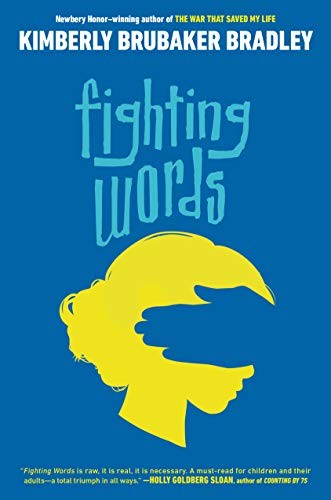
Fighting Words by Kimberly Brubaker Bradley: ages 10 and up. Two sisters in foster care face the truth about past abuse. This Newbery Honor book handles the topic carefully for middle graders.
Check price of Fighting Words on Amazon
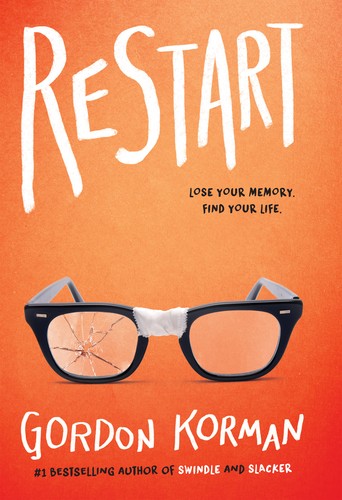
Restart by Gordon Korman: ages 10 and up. A school bully loses his memory and discovers who he used to be. It’s about second chances.
Check price of Restart on Amazon
Shout by Laurie Halse Anderson: ages 14 and up. Anderson’s memoir in verse about her own assault and finding her voice.
Check price of Shout on Amazon
Related: what age Thirteen Reasons Why is appropriate for and mental health books for teens.
Frequently Asked Questions
What age is Speak appropriate for?
Speak is best for ages 13 or 14 and up and is often taught in eighth or ninth grade.
Is the rape scene in Speak graphic?
No. It’s described briefly in a flashback, but it’s clear what happened.
Why is Speak banned?
It’s frequently challenged because it deals with rape, though many educators consider it essential.
Is there a Speak graphic novel?
Yes. A graphic novel adaptation illustrated by Emily Carroll was published in 2018.
What should my teen read after Speak?
Shout by Laurie Halse Anderson and Fighting Words for younger readers are meaningful next reads.