

Disclosure: As an Amazon Associate, Bookish Wisdom earns from qualifying purchases. This doesn't change our picks or your price.
Quick answer: If you liked Take My Hand, read Wench, The Immortal Life of Henrietta Lacks, Medical Apartheid and Homegoing. All reveal how race, power and medicine shaped Black Americans' lives.
Dolen Perkins-Valdez's novel follows Civil Townsend, a young nurse in 1973 Alabama who discovers that two girls in her care have been sterilized without consent. It draws on a true scandal. The books below share its mix of history, family and medical ethics. Most are novels and narrative nonfiction, and all are real, in-print books.
Table of Contents
Quick Picks at a Glance
| Book | Author | Ages | Best For |
|---|---|---|---|
| Wench | Dolen Perkins-Valdez | Adult | more Perkins-Valdez |
| The Immortal Life of Henrietta Lacks | Rebecca Skloot | Adult | medical ethics |
| Medical Apartheid | Harriet A. Washington | Adult | the history behind the novel |
| Homegoing | Yaa Gyasi | Adult | multi-generation sagas |
| The Water Dancer | Ta-Nehisi Coates | Adult | fantastical history |
| The Underground Railroad | Colson Whitehead | Adult | alternate history |
| Beloved | Toni Morrison | Adult | literary power |
| Kindred | Octavia E. Butler | Adult | time-travel history |
| Sing, Unburied, Sing | Jesmyn Ward | Adult | Southern gothic |
| The Vanishing Half | Brit Bennett | Adult | family and identity |
| The Turner House | Angela Flournoy | Adult | family stories |
| The Warmth of Other Suns | Isabel Wilkerson | Adult | history of migration |
| Caste | Isabel Wilkerson | Adult | big ideas |
| The Secret Life of Bees | Sue Monk Kidd | Adult | gentle reads |
| A Lesson Before Dying | Ernest J. Gaines | Adult | moral questions |
1. Wench by Dolen Perkins-Valdez
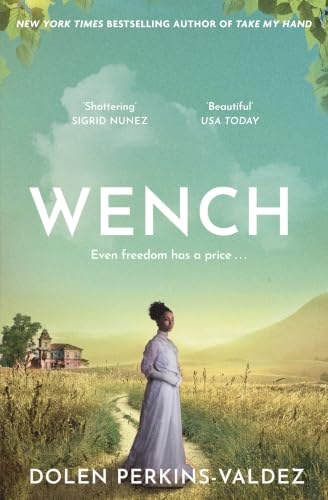
Enslaved women at a resort in Ohio face choices about freedom. Perkins-Valdez's debut, quiet and moving.
Best for: more Perkins-Valdez.
2. The Immortal Life of Henrietta Lacks by Rebecca Skloot
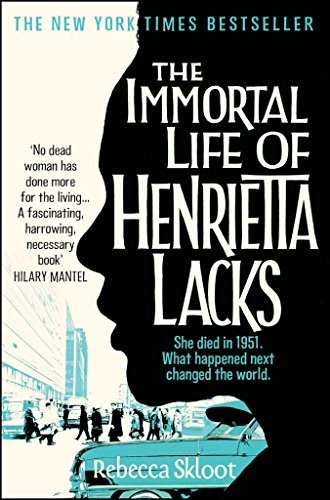
A Black woman's cells were taken without consent and used in research. Gripping and humane.
Best for: medical ethics.
3. Medical Apartheid by Harriet A. Washington
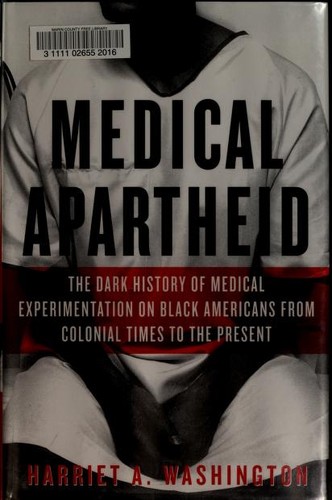
A history of medical experimentation on Black Americans. Detailed and disturbing.
Best for: the history behind the novel.
4. Homegoing by Yaa Gyasi
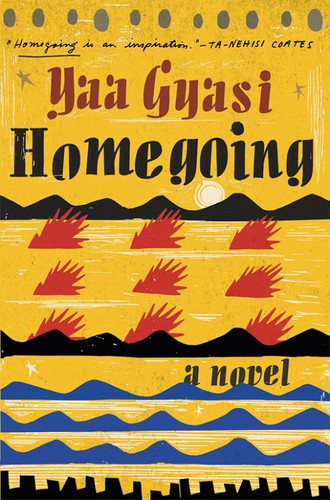
Two half-sisters in Ghana and their descendants across 300 years. Each chapter follows a new generation.
Best for: multi-generation sagas.
5. The Water Dancer by Ta-Nehisi Coates
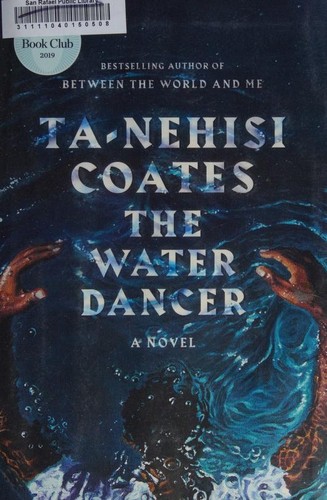
A man with a magical gift of memory escapes slavery. Lyrical and strange.
Best for: fantastical history.
6. The Underground Railroad by Colson Whitehead
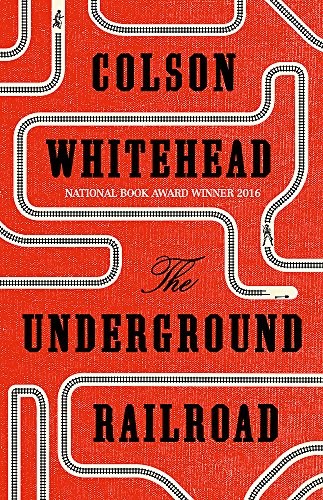
Cora escapes slavery on a literal railroad. Spare and vivid.
Best for: alternate history.
7. Beloved by Toni Morrison
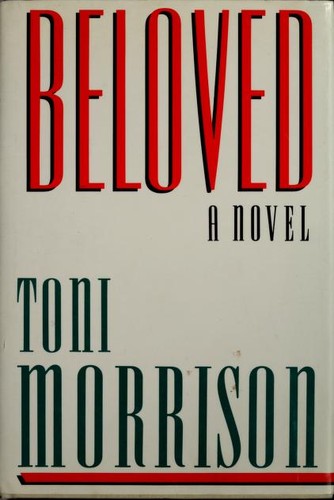
A formerly enslaved woman is haunted by her past. Dense and powerful.
Best for: literary power.
8. Kindred by Octavia E. Butler
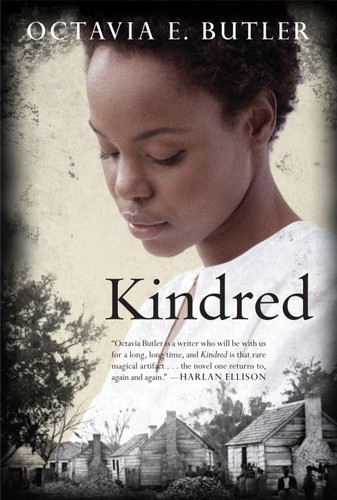
A modern Black woman travels to a slave plantation in the 1800s. Fast and sharp.
Best for: time-travel history.
9. Sing, Unburied, Sing by Jesmyn Ward
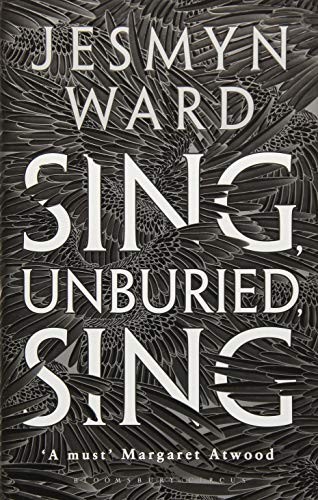
A Mississippi family drives to pick up a father from prison. Haunted and beautiful.
Best for: Southern gothic.
10. The Vanishing Half by Brit Bennett
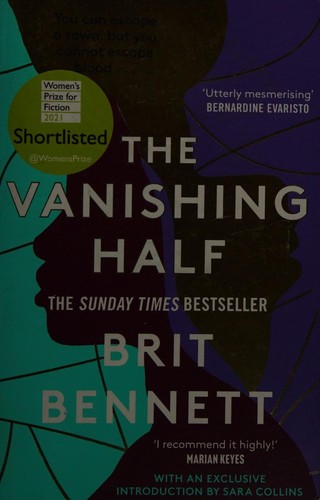
Twin sisters choose different lives, one passing as white. Compelling and thoughtful.
Best for: family and identity.
11. The Turner House by Angela Flournoy
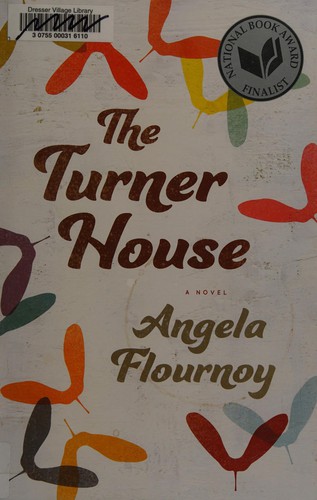
A Detroit family argues over the family home. Warm and funny.
Best for: family stories.
12. The Warmth of Other Suns by Isabel Wilkerson
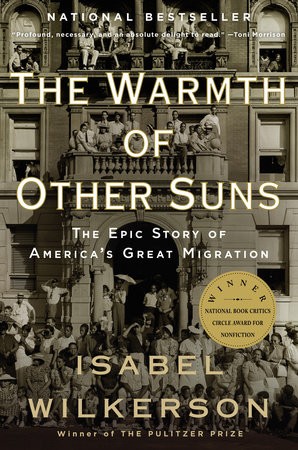
The story of the Great Migration told through three people. Sweeping narrative history.
Best for: history of migration.
13. Caste by Isabel Wilkerson
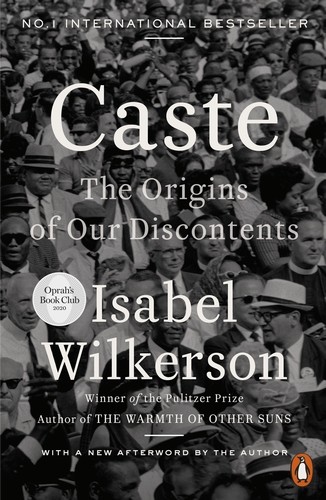
Explores the idea of caste in America, comparing it with India and Nazi Germany. Thought-provoking.
Best for: big ideas.
14. The Secret Life of Bees by Sue Monk Kidd
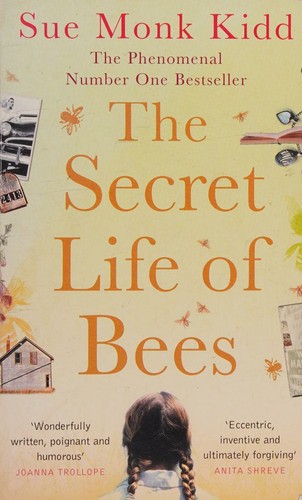
A girl in 1964 South Carolina finds a home among beekeepers. Warm and wise.
Best for: gentle reads.
15. A Lesson Before Dying by Ernest J. Gaines
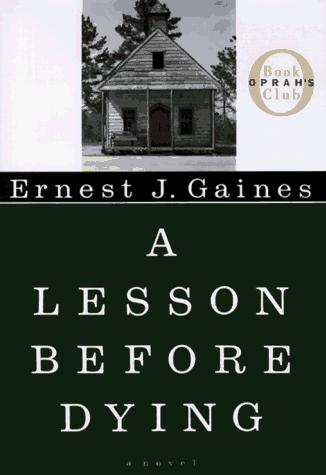
A teacher visits a young man on death row. Simple and powerful.
Best for: moral questions.
How to Choose
For the history behind the novel, read Medical Apartheid. For similar medical stories, The Immortal Life of Henrietta Lacks. For more historical fiction, Wench, Homegoing or The Underground Railroad. For family drama, The Turner House and The Vanishing Half. These books deal with abuse and injustice, so read them when ready. Reading about real medical injustice can be upsetting, so pace yourself. Alternate with fiction that gives you a different mood. Book clubs often find it helpful to read Take My Hand alongside a nonfiction title such as Medical Apartheid so members can compare the novel with the true history it draws from. If you are choosing a book club read, consider mixing one novel and one nonfiction title from this list. Discussion questions about consent, trust in doctors and the role of poverty will come easily.
Related: How To Hold A Book With One Hand | The Ultimate Guide · How Long Does It Take to Read The Lord of the Rings?
Frequently Asked Questions
Is Take My Hand based on a true story?
It is fiction inspired by the 1973 Relf sisters case, in which two Black girls in Alabama were sterilized.
Who is Civil Townsend?
She is the young nurse at the Montgomery family planning clinic who tells the story.
Is the book a quick read?
It is short and readable, though emotionally heavy.
Is it good for book clubs?
Yes. It raises questions about consent, class, race and responsibility.
Should I read Wench first?
You do not have to, but it shows the author's earlier style.
Is the book a historical novel?
Yes. It is set in 1973 and moves to 2015 in its final section.
Who is Perkins-Valdez?
She is an American novelist and professor whose books include Wench and Balm.
What age is it for?
It is written for adults, but older teens can read it with context.
Is Take My Hand a quick read?
It is about 350 pages and moves quickly because of its short chapters.
Does the book include a content warning?
It deals with sexual abuse of minors, forced sterilization and racism, so readers should be prepared.
What is the Relf case?
In 1973, two Black girls aged 12 and 14 in Montgomery were sterilized under a federally funded program without informed consent.