
Disclosure: As an Amazon Associate, Bookish Wisdom earns from qualifying purchases. This doesn't change our picks or your price.
Quick answer: If you liked What My Bones Know, read The Body Keeps the Score, Complex PTSD: From Surviving to Thriving, Maybe You Should Talk to Someone and Educated. All look at trauma, healing and the long road to recovery.
Stephanie Foo's memoir tells how she spent years living with undiagnosed complex PTSD, then searched for ways to heal. The books below cover trauma science, therapy and similar personal stories. They are mostly memoirs and self-help, and all are real, in-print books. If you are struggling, a licensed therapist can offer support that books cannot.
Table of Contents
Quick Picks at a Glance
| Book | Author | Ages | Best For |
|---|---|---|---|
| The Body Keeps the Score | Bessel van der Kolk | Adult | the science behind the memoir |
| Complex PTSD: From Surviving to Thriving | Pete Walker | Adult | practical recovery guide |
| Maybe You Should Talk to Someone | Lori Gottlieb | Adult | therapy stories |
| Educated | Tara Westover | Adult | survival memoir |
| Crying in H Mart | Michelle Zauner | Adult | grief and identity |
| The Glass Castle | Jeannette Walls | Adult | childhood memoirs |
| Know My Name | Chanel Miller | Adult | voice after trauma |
| Heavy | Kiese Laymon | Adult | raw honesty |
| The Deepest Well | Nadine Burke Harris | Adult | childhood and health |
| It Didn't Start with You | Mark Wolynn | Adult | family patterns |
| An Unquiet Mind | Kay Redfield Jamison | Adult | mental health memoirs |
| I'm Glad My Mom Died | Jennette McCurdy | Adult | honest memoirs |
| Hunger | Roxane Gay | Adult | body and trauma |
| The Myth of Normal | Gabor Maté | Adult | big-picture view |
| What Happened to You? | Oprah Winfrey and Bruce D. Perry | Adult | gentle introduction |
1. The Body Keeps the Score by Bessel van der Kolk
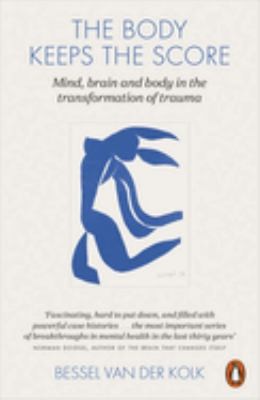
A psychiatrist explains how trauma affects the body and mind and how people recover. The key text on trauma.
Best for: the science behind the memoir.
2. Complex PTSD: From Surviving to Thriving by Pete Walker
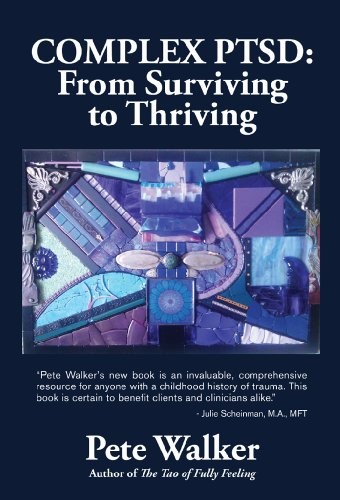
A therapist describes complex PTSD and offers practical steps. Clear and direct.
Best for: practical recovery guide.
3. Maybe You Should Talk to Someone by Lori Gottlieb
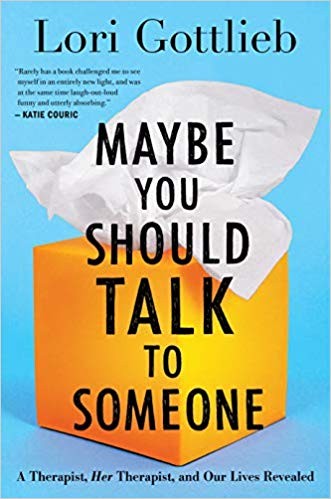
A therapist shares stories of patients and her own therapy. Warm and funny.
Best for: therapy stories.
4. Educated by Tara Westover
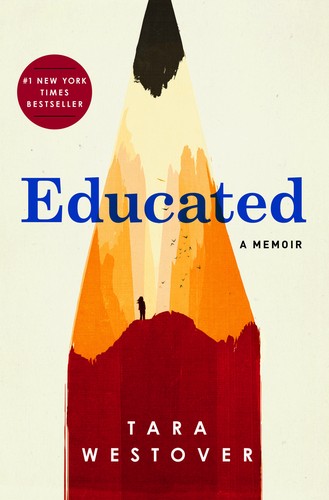
A woman raised in a survivalist family teaches herself and goes to university. Gripping and moving.
Best for: survival memoir.
5. Crying in H Mart by Michelle Zauner
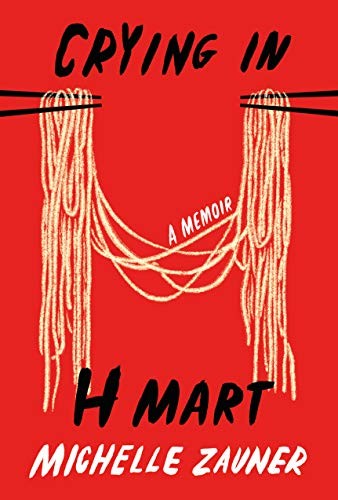
A musician writes about grief, food and her Korean mother. Beautiful and personal.
Best for: grief and identity.
6. The Glass Castle by Jeannette Walls
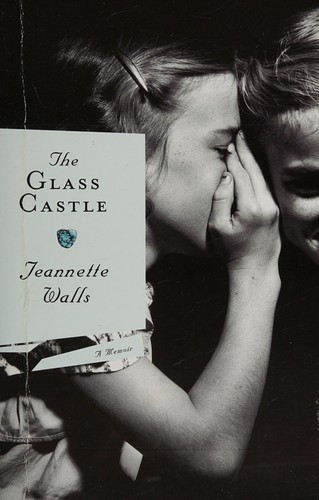
A memoir of a chaotic childhood with brilliant, neglectful parents. Vivid and honest.
Best for: childhood memoirs.
7. Know My Name by Chanel Miller
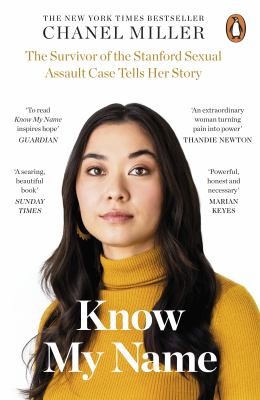
A survivor of assault finds her voice. Powerful and literate.
Best for: voice after trauma.
8. Heavy by Kiese Laymon
A Black writer addresses his mother in a memoir about weight, abuse and love. Raw and poetic.
Best for: raw honesty.
9. The Deepest Well by Nadine Burke Harris
A pediatrician explains how childhood adversity affects health. Compassionate and clear.
Best for: childhood and health.
10. It Didn't Start with You by Mark Wolynn
Looks at how family trauma is passed down. Practical, with exercises.
Best for: family patterns.
11. An Unquiet Mind by Kay Redfield Jamison
A psychologist describes her bipolar disorder. Elegant and moving.
Best for: mental health memoirs.
12. I'm Glad My Mom Died by Jennette McCurdy
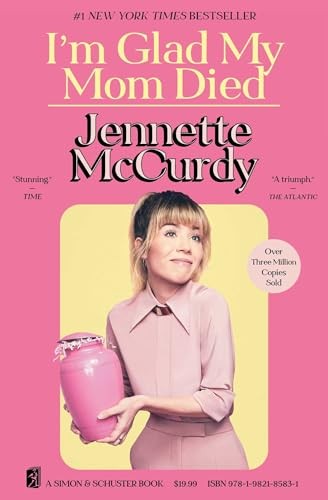
An actor writes about an abusive mother and an eating disorder. Dark, funny and direct.
Best for: honest memoirs.
13. Hunger by Roxane Gay
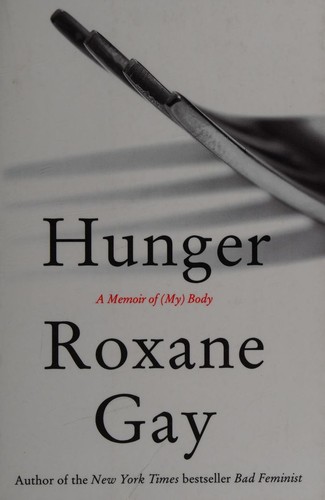
A memoir of a body and the trauma behind it. Honest and unsparing.
Best for: body and trauma.
14. The Myth of Normal by Gabor Maté
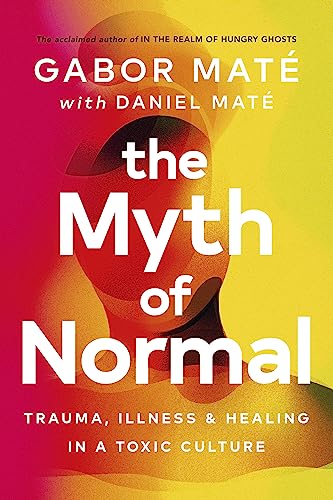
Examines how culture and trauma affect health. Long and thoughtful.
Best for: big-picture view.
15. What Happened to You? by Oprah Winfrey and Bruce D. Perry
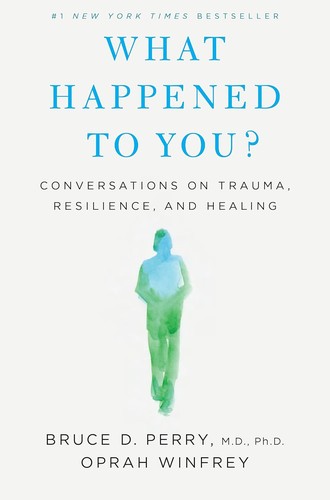
A conversation about how past events shape people. Gentle and accessible.
Best for: gentle introduction.
How to Choose
For science, read The Body Keeps the Score. For practical steps, Complex PTSD: From Surviving to Thriving. For memoir, Educated, Crying in H Mart or Heavy. For a gentle start, What Happened to You? Many of these books discuss abuse and trauma, so take breaks and seek help when needed. Memoirs about healing are most useful when you read them at your own pace. Underline passages that match your experience and discuss them with a trusted friend or counselor. If you are in crisis, contact your local emergency line or a trained professional rather than relying on a book. A useful approach is to read one memoir and one practical book together, so the story and the tools support each other.
Related: What Age Is The Lovely Bones Appropriate For? A Parent’s Guide · What Order Should I Read the Narnia Books In?
Frequently Asked Questions
What is What My Bones Know about?
Stephanie Foo describes her childhood abuse, her diagnosis of complex PTSD and her search for healing.
What is complex PTSD?
It is a condition that can follow long-term trauma, with symptoms like emotional flashbacks and difficulty trusting others.
Is Foo a journalist?
Yes. She worked as a producer for This American Life and other public radio shows.
Is it a self-help book?
It is a memoir with research and interviews, so it blends story and information.
What if the book triggers me?
Pause, talk to a therapist or counselor and return when you feel ready.
Does What My Bones Know have an audiobook?
Yes. Foo narrates the audiobook herself, which many listeners find powerful.
Is it a good first book on complex PTSD?
Yes, because it blends a personal story with research and expert interviews.
How long is the book?
About 400 pages.
Is Foo's story hopeful?
Yes. She shows that recovery is slow and imperfect, but possible with therapy and support.