
Disclosure: As an Amazon Associate, Bookish Wisdom earns from qualifying purchases. This doesn't change our picks or your price.
Quick answer: If you liked Talking to Strangers, read Malcolm Gladwell's Blink, The Tipping Point and Outliers, then try Thinking, Fast and Slow, Predictably Irrational and Never Split the Difference. All explain surprising ideas about human behavior in clear, story-driven prose.
Gladwell's book asks why we are so bad at understanding people we do not know, using cases from courtrooms and campuses. The books below share that mix of psychology, case studies and counterintuitive conclusions. All are nonfiction, and all are real, in-print books.
Table of Contents
Quick Picks at a Glance
| Book | Author | Ages | Best For |
|---|---|---|---|
| Blink | Malcolm Gladwell | Adult | the closest Gladwell |
| The Tipping Point | Malcolm Gladwell | Adult | social change |
| Outliers | Malcolm Gladwell | Adult | success stories |
| David and Goliath | Malcolm Gladwell | Adult | underdog tales |
| What the Dog Saw | Malcolm Gladwell | Adult | short pieces |
| Thinking, Fast and Slow | Daniel Kahneman | Adult | how minds work |
| Predictably Irrational | Dan Ariely | Adult | behavioral economics |
| Nudge | Richard H. Thaler and Cass R. Sunstein | Adult | decision design |
| Freakonomics | Steven D. Levitt and Stephen J. Dubner | Adult | curious readers |
| Never Split the Difference | Chris Voss | Adult | negotiation |
| The Gift of Fear | Gavin de Becker | Adult | personal safety |
| Influence | Robert B. Cialdini | Adult | persuasion |
| Quiet | Susan Cain | Adult | personality |
| Noise | Daniel Kahneman, Olivier Sibony and Cass R. Sunstein | Adult | decision quality |
| Think Again | Adam Grant | Adult | open minds |
1. Blink by Malcolm Gladwell

Explores snap judgments and how experts make decisions in an instant. The best companion to Talking to Strangers, with the same story-first style.
Best for: the closest Gladwell.
2. The Tipping Point by Malcolm Gladwell
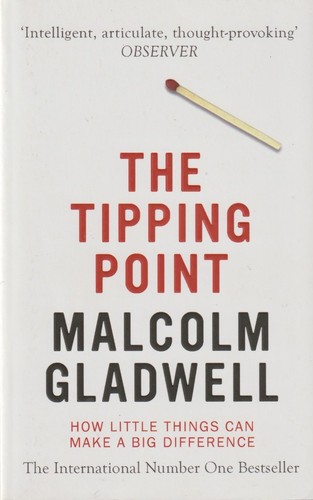
Shows how small things can start big social changes. Gladwell's first hit, with famous examples.
Best for: social change.
3. Outliers by Malcolm Gladwell
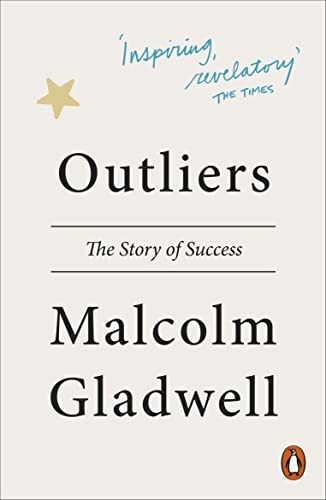
Looks at the hidden factors behind exceptional success. Easy, quotable and widely debated.
Best for: success stories.
4. David and Goliath by Malcolm Gladwell
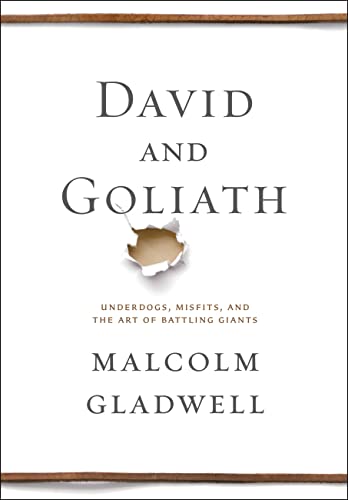
Argues that underdogs have hidden strengths. A mix of history and psychology.
Best for: underdog tales.
5. What the Dog Saw by Malcolm Gladwell
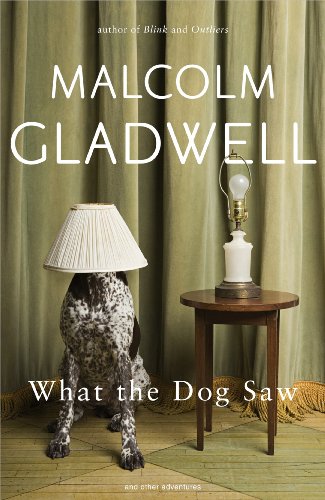
A collection of his best magazine pieces on odd subjects. Short, fun and varied.
Best for: short pieces.
6. Thinking, Fast and Slow by Daniel Kahneman
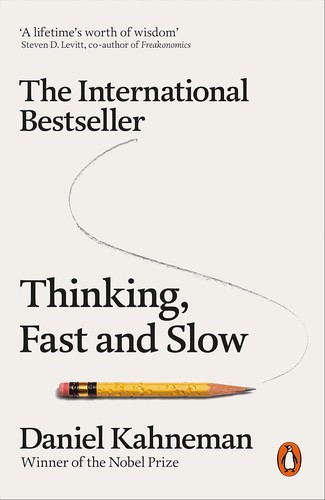
A Nobel laureate explains how two systems of thinking shape our choices. Deep and influential.
Best for: how minds work.
7. Predictably Irrational by Dan Ariely
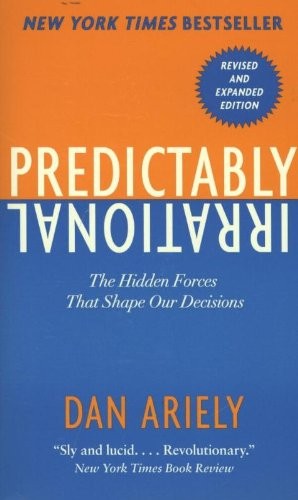
Experiments show how people make irrational choices in predictable ways. Fun and eye-opening.
Best for: behavioral economics.
8. Nudge by Richard H. Thaler and Cass R. Sunstein

Explains how small changes in choices can improve decisions. Practical and policy-minded.
Best for: decision design.
9. Freakonomics by Steven D. Levitt and Stephen J. Dubner
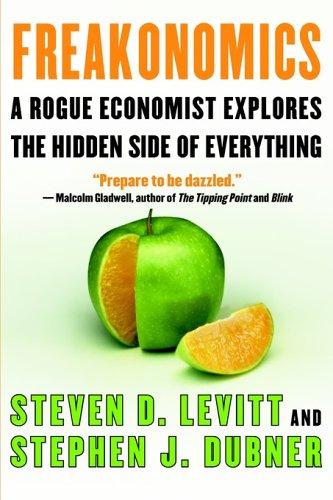
Applies economic thinking to odd questions, from cheating teachers to drug dealers. Lively and provocative.
Best for: curious readers.
10. Never Split the Difference by Chris Voss
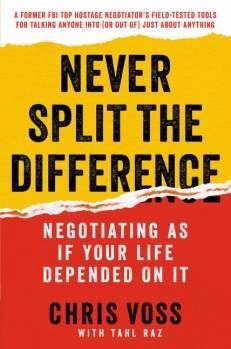
A former FBI negotiator shares tactics for high-stakes talks. Practical and entertaining.
Best for: negotiation.
11. The Gift of Fear by Gavin de Becker
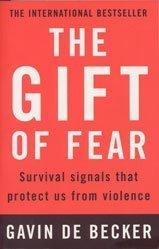
Argues that we should trust our instincts about danger. Gripping and practical.
Best for: personal safety.
12. Influence by Robert B. Cialdini
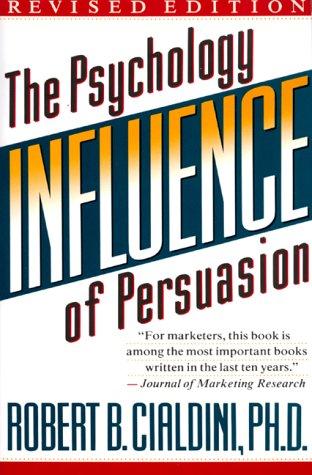
Explains six principles of persuasion with studies and examples. A classic of social psychology.
Best for: persuasion.
13. Quiet by Susan Cain
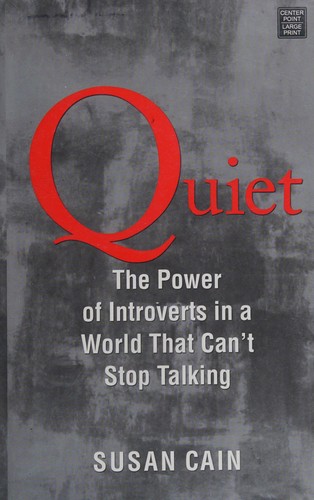
Defends introverts and their strengths in a loud world. Warm and well researched.
Best for: personality.
14. Noise by Daniel Kahneman, Olivier Sibony and Cass R. Sunstein
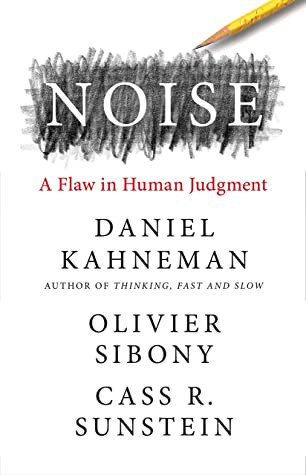
Explores random variation in human judgment, in medicine, law and business. Dense but interesting.
Best for: decision quality.
15. Think Again by Adam Grant
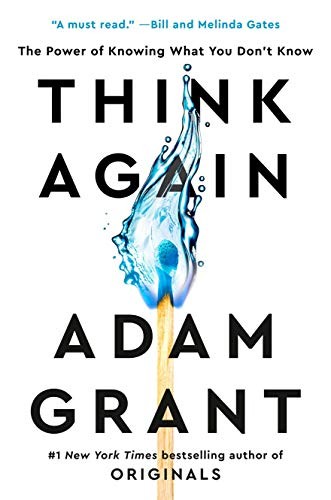
Makes the case for rethinking our views and staying open to change. Clear and optimistic.
Best for: open minds.
How to Choose
For more Gladwell, start with Blink or The Tipping Point. For the research behind his claims, read Thinking, Fast and Slow. For practical tools, Never Split the Difference or Influence. For personality, Quiet. Gladwell is persuasive, but critics argue that he simplifies, so pair him with a more rigorous book. Gladwell's books are best read with a critical eye. Check footnotes, look up the original studies and ask whether a story proves the general rule. That habit makes you a better reader of all popular science. Pair one Gladwell title with one of the more rigorous books here and compare the two approaches.
Related: Talking to Strangers by Malcolm Gladwell: Summary and Key Takeaways · 12 Dystopian Books Like the Hunger Games | Best Books to Read Like Hunger Games
Frequently Asked Questions
What is Talking to Strangers about?
It examines why we misjudge strangers, with examples like the Sandra Bland case and the Amanda Knox trial.
What is default to truth?
It is the idea that people tend to assume others are honest, which lets us function but makes us easy to deceive.
Is Talking to Strangers controversial?
Some critics think its conclusions are too simple, particularly on policing and sexual assault.
Is it an easy read?
Yes. It is written in short chapters with vivid stories.
What is the best Gladwell book to start with?
Blink and Outliers are the most popular entry points.
Is Talking to Strangers available as an audiobook?
Yes. The audiobook includes recordings and interviews, which many listeners prefer.
Who is Sandra Bland?
A Black woman who died in a Texas jail in 2015 after a traffic stop. Gladwell uses her case to discuss policing.
Is the book about trust?
Yes. It argues that trusting strangers is necessary even though it sometimes leads to harm.
Which Gladwell book is the best?
Fans often choose Outliers or Blink, while critics prefer his early essays.
Where can I find Gladwell's podcast?
Revisionist History is his podcast, and several episodes explore topics he later wrote about.