

Disclosure: As an Amazon Associate, Bookish Wisdom earns from qualifying purchases. This doesn't change our picks or your price.
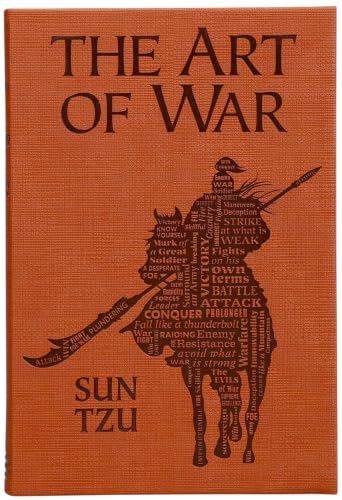
Quick answer: If you loved The Art of War, try On War, The Prince, The 33 Strategies of War, The 48 Laws of Power, A Book of Five Rings and Meditations. Each one offers timeless strategy, on the battlefield, in business or in life.
The Art of War is an ancient Chinese military treatise traditionally attributed to Sun Tzu, a general of around the fifth century BC. In thirteen short chapters, it explains planning, deception, terrain and timing, and its most famous idea is that the best victory comes without fighting. It has influenced generals, business leaders and athletes for centuries. Readers love its short, quotable lines. These books share its strategy and its wisdom.
Table of Contents
Quick Picks at a Glance
| Book | Author | Focus | Best For |
|---|---|---|---|
| On War | Carl von Clausewitz | Military | readers who want the Western classic |
| The Prince | Niccolò Machiavelli | Politics | readers who like power strategy |
| The 33 Strategies of War | Robert Greene | Strategy | readers who want modern applications |
| The 48 Laws of Power | Robert Greene | Power | readers who like power tactics |
| A Book of Five Rings | Miyamoto Musashi | Martial arts | readers who want Japanese strategy |
| Meditations | Marcus Aurelius | Stoicism | readers who want inner strength |
| Strategy: A History | Lawrence Freedman | History | readers who want a full history |
| Thirty-Six Stratagems | Anonymous | Strategy | readers who want more Chinese strategy |
| Good Strategy Bad Strategy | Richard Rumelt | Business | readers who want business strategy |
| Extreme Ownership | Jocko Willink and Leif Babin | Leadership | readers who like military lessons |
| The Book of War | Sun Tzu and Carl von Clausewitz | Military | readers who want both classics |
| Musashi | Eiji Yoshikawa | Novel | readers who like strategy in fiction |
| Shogun | James Clavell | Novel | readers who like strategic fiction |
| Romance of the Three Kingdoms | Luo Guanzhong | Novel | readers who want Chinese strategy in story |
| Never Split the Difference | Chris Voss | Negotiation | readers who want modern tactics |
1. On War by Carl von Clausewitz

A Prussian general's theory of war.
Best for: readers who want the Western classic.
2. The Prince by Niccolò Machiavelli
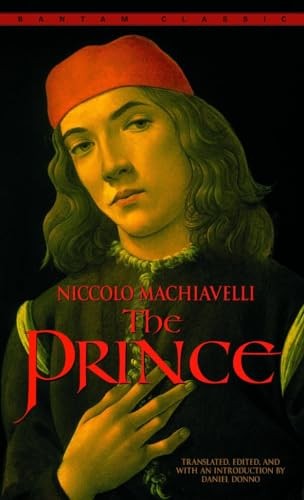
Advice on gaining and keeping power.
Best for: readers who like power strategy.
3. The 33 Strategies of War by Robert Greene
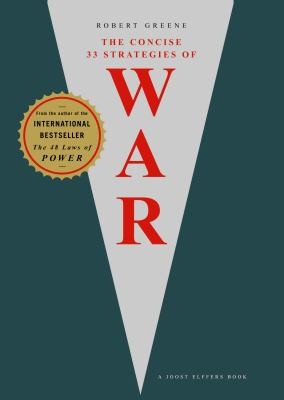
Strategies drawn from history.
Best for: readers who want modern applications.
4. The 48 Laws of Power by Robert Greene
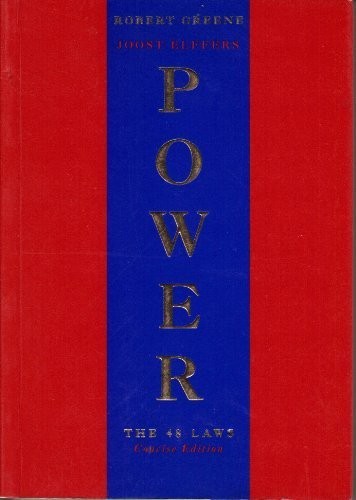
Laws of power from history.
Best for: readers who like power tactics.
5. A Book of Five Rings by Miyamoto Musashi
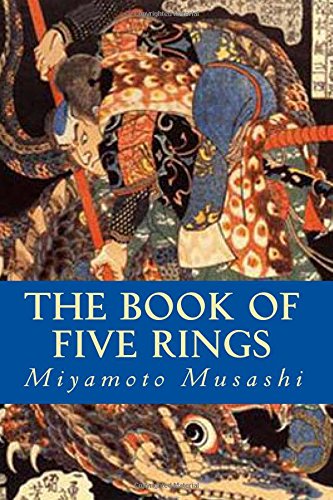
A swordsman's guide to strategy.
Best for: readers who want Japanese strategy.
6. Meditations by Marcus Aurelius
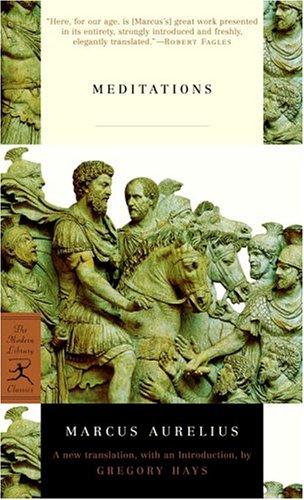
A Roman emperor's notes on self-control.
Best for: readers who want inner strength.
7. Strategy: A History by Lawrence Freedman
Strategy from ancient times to today.
Best for: readers who want a full history.
8. Thirty-Six Stratagems by Anonymous
Classic Chinese tactics.
Best for: readers who want more Chinese strategy.
9. Good Strategy Bad Strategy by Richard Rumelt
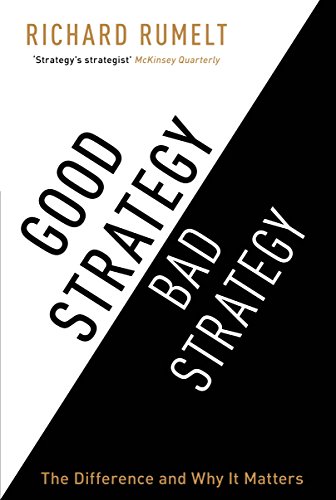
What separates good strategy.
Best for: readers who want business strategy.
10. Extreme Ownership by Jocko Willink and Leif Babin
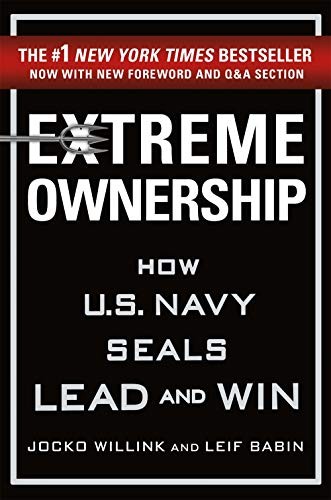
Navy SEAL leadership lessons.
Best for: readers who like military lessons.
11. The Book of War by Sun Tzu and Carl von Clausewitz
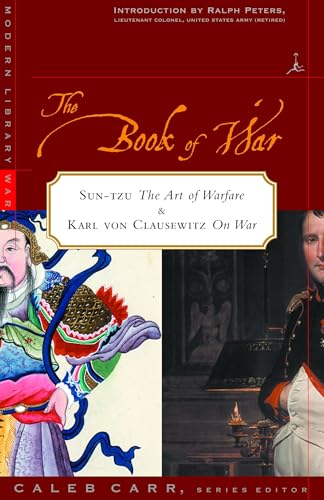
The Art of War and On War together.
Best for: readers who want both classics.
12. Musashi by Eiji Yoshikawa
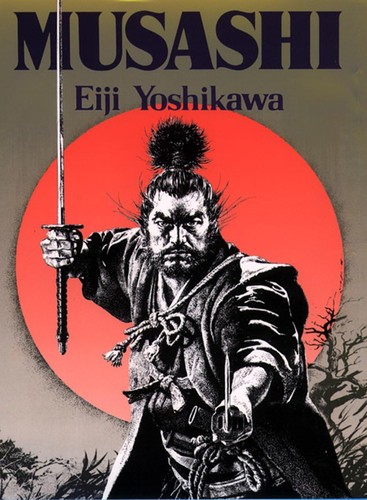
The story of Japan's famous swordsman.
Best for: readers who like strategy in fiction.
13. Shogun by James Clavell
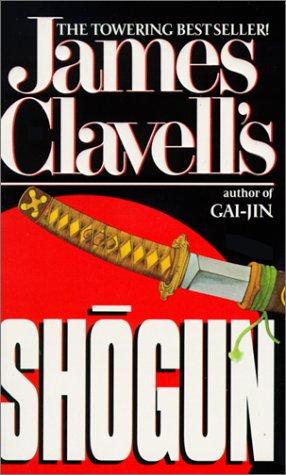
An English pilot in feudal Japan.
Best for: readers who like strategic fiction.
14. Romance of the Three Kingdoms by Luo Guanzhong
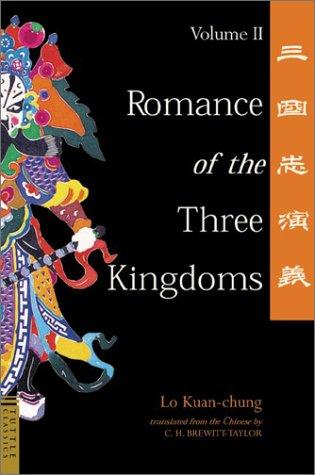
Warlords battle for China.
Best for: readers who want Chinese strategy in story.
15. Never Split the Difference by Chris Voss
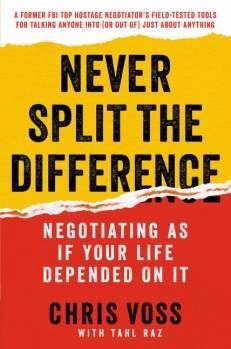
An FBI negotiator's methods.
Best for: readers who want modern tactics.
How We Chose These Books
Every pick is a real, widely available book that shares something specific with The Art of War: its tone, its themes, its pace or the kind of characters it puts at the center. We mixed well-known favorites with a few less obvious titles, and we noted who each book suits best so you can match it to the reader. Where a book belongs to a series, we list the first volume so you can start at the beginning.
If you are not sure where to begin, start with the first three picks in the table: they are the closest match to The Art of War. The rest of the list moves further out, so it works well once you know which part of the original you liked most. If a pick is part of a longer series, read the first book before you commit, and check the age or content notes in the table before passing a book to a younger reader.
How to Choose
For more classic strategy, read On War, The Prince and A Book of Five Rings. Robert Greene's The 33 Strategies of War applies these ideas to modern life. If you prefer story, Romance of the Three Kingdoms and Musashi show strategy in action. Business readers should try Good Strategy Bad Strategy.
Related: The Art of War by Sun Tzu: Summary and Key Takeaways · The Prince by Niccolo Machiavelli: Summary and Key Takeaways
Frequently Asked Questions
What is The Art of War about?
Ancient Chinese advice on strategy, planning, deception and winning without fighting.
Who wrote The Art of War?
It is attributed to Sun Tzu, though scholars debate its authorship.
How long is The Art of War?
It is short, with thirteen chapters.
Which translation is best?
Translations by Samuel B. Griffith and Thomas Cleary are popular.
Why do business leaders read it?
Its lessons on planning and competition apply to business.
What is the most famous quote?
“The supreme art of war is to subdue the enemy without fighting.”
Is it hard to read?
No. It is short and written in brief, memorable lines.