
Disclosure: As an Amazon Associate, Bookish Wisdom earns from qualifying purchases. This doesn’t change our picks or your price.
TL;DR: The Art of War by Sun Tzu is an ancient Chinese treatise on military strategy that has influenced leaders, business people and athletes for centuries. Its central teachings are that the best victory is won without fighting, that you must know yourself and your opponent, that planning and adaptability matter and that speed and deception can decide outcomes.
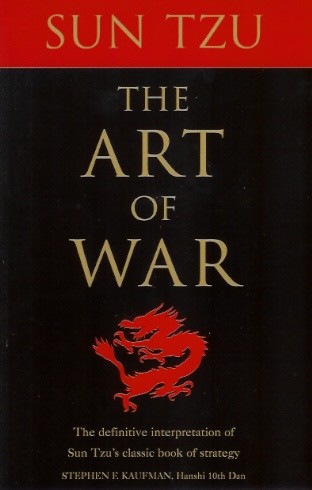
Written more than two thousand years ago, The Art of War is traditionally attributed to Sun Tzu, a military strategist said to have served a Chinese king during the Spring and Autumn period. Historians debate who he was and when the text was compiled, but its thirteen short chapters have been studied by generals and managers around the world. The text is brief, often just a few pages in translation, and written in aphorisms. Here’s a summary of its main ideas. Translations vary, so quotes and wording differ between editions.
Table of Contents
The Art of War at a Glance
| Detail | Info |
|---|---|
| Author | Sun Tzu (traditionally attributed) |
| Date | Around the 5th century BCE, though dating is debated |
| Genre | Military strategy, philosophy |
| Core idea | Win through planning, knowledge and adaptability, ideally without battle |
| Structure | Thirteen short chapters |
| Best for | Readers interested in strategy, leadership, negotiation and history |
What Is The Art of War About?
Sun Tzu opens by saying that war is a matter of vital importance to the state, a place of life and death, and that it must be studied carefully. He identifies factors that determine outcomes: the moral influence of leaders, weather, terrain, command and doctrine. Success depends on assessing these factors honestly before action.
His philosophy is practical and cautious. Because war is costly, the best generals avoid it when possible, using diplomacy, positioning and deception to win without prolonged fighting.
Key Ideas, Part by Part
Planning and Preparation
The first chapters stress preparation. Sun Tzu advises comparing yourself with your enemy across the key factors before engaging. He warns that a long war drains resources and damages the state. Quick victories are better, and prolonged campaigns rarely benefit anyone.
He also says that the highest form of generalship is to attack the enemy’s strategy, then to disrupt alliances, then to attack the army, and only last to attack cities. Winning without fighting, he says, is the supreme excellence.
Knowing Yourself and Your Opponent
One of the most quoted ideas is that if you know the enemy and know yourself, you need not fear the result of a hundred battles. If you know yourself but not the enemy, you will suffer a defeat for every victory, and if you know neither, you will lose every time. The point applies to competitors in business and sport as well as war.
Intelligence is central. A late chapter is devoted to the use of spies, which Sun Tzu calls the most valuable asset of a ruler. Good information allows leaders to choose the right time and place to act.
Deception, Speed and Adaptability
Sun Tzu notes that war is based on deception. Appear weak when you are strong, and strong when you are weak. Use feints and misdirection to keep opponents uncertain, and strike where they do not expect. He praises speed in operations, saying that in war, haste is better than clever delay, though only when preparation is sound.
He also teaches adaptability. A general should be like water, which takes the shape of its container and flows around obstacles. Tactics must change as conditions change, and rigid plans fail. Terrain, morale and timing all matter.
Leadership, Discipline and Terrain
Sun Tzu discusses the qualities of a good commander, listing wisdom, trustworthiness, benevolence, courage and strictness. He recommends treating soldiers with care so they will follow into danger, but maintaining discipline. Orders must be clear, and the commander should avoid being swayed by emotion or by interference from distant rulers.
Several chapters examine terrain and positions, advising how to behave in various situations such as mountains, rivers and marshes, and in the nine types of ground. The text ends with the importance of fire attacks and the use of spies, reminding readers to avoid war driven by anger or pride.
6 Key Takeaways From The Art of War
- Prepare thoroughly. Assess strengths, weaknesses and conditions.
- Win without fighting if you can. Strategy beats force.
- Know yourself and your opponent. Information reduces risk.
- Be adaptable. Flow like water around obstacles.
- Act with speed when ready. Delay can be costly.
- Lead with discipline and care. Trust and order make strong teams.
Ideas Worth Remembering
- The best battle is the one you avoid. (paraphrased)
- Plan before you act. (paraphrased)
- Avoid acting out of anger or pride. (paraphrased)
- Information is power. (paraphrased)
How to Apply The Art of War in Real Life
- Do a self-assessment. List your strengths and weaknesses honestly.
- Research your competitor. Learn their habits, aims and limits.
- Seek win-win positions. Look for outcomes that avoid costly conflict.
- Keep options open. Prepare backup plans.
- Control emotions. Pause before reacting in a dispute.
Criticisms and Limits
Critics point out that the text is terse and open to many interpretations, and that quotes are often taken out of context. Its advice reflects ancient conditions, and its emphasis on deception may clash with modern values. Business writers have been accused of overusing it as a source of slogans, and some scholars question the traditional attribution to a single author.
As a short, thought-provoking work on strategy, it remains valuable. Read it with historical context and a sense of ethics.
The Art of War in One Minute
Prepare before you act, know yourself and your opponent and aim to win without fighting. Use deception and speed wisely, adapt like water and choose the right ground. Lead with discipline and care, avoid decisions driven by anger and invest in intelligence. Costly, drawn-out conflict is a last resort.
Choosing a Translation
Many versions exist. Lionel Giles’s early twentieth-century translation is widely available and often free, though its language is dated. Modern translations by writers such as Samuel B. Griffith, Ralph D. Sawyer and Thomas Cleary offer clearer wording and commentary. If you’re new to the text, choose an edition with notes explaining historical context, since some passages refer to ancient Chinese warfare.
Applying the Book to Business and Life
Executives have used the text for competitive strategy, marketers have used it to think about positioning and negotiators have used it to prepare. Be careful with direct analogies: business is not war, and the ideas about deception can conflict with ethics and trust. A thoughtful approach is to take the underlying principles, such as preparation, listening and adaptability, and apply them honestly.
Historical Context
The text emerged in a time of warring states in China, when armies were growing in size and states competed for survival. The emphasis on planning and avoiding unnecessary conflict reflected the high human and economic costs of war. Over the centuries, it influenced military thinkers in Asia and later in the West, and it remains a standard text in strategy courses.
Applying Sun Tzu to a Job Search or Negotiation
The ideas can guide everyday contests. Before a job interview, research the organization and your own strengths, as the call to know the enemy and yourself suggests. In a salary talk, prepare alternatives so you are not forced to accept a poor offer. In a dispute, look for a solution that avoids a drawn-out fight. The test of strategy is not winning every argument but reaching your goal with the least cost.
Key Chapters at a Glance
The thirteen chapters in common translations are Laying Plans, Waging War, Attack by Stratagem, Tactical Dispositions, Energy, Weak Points and Strong, Maneuvering, Variation in Tactics, The Army on the March, Terrain, The Nine Situations, The Attack by Fire and The Use of Spies. If time is short, read the first three, which contain the best-known ideas about planning, cost and winning without fighting.
Who Should Read The Art of War?
Read it if you are interested in strategy, leadership, history or negotiation. It’s short enough to read in an afternoon. For a more modern look at power and strategy, pair it with The 48 Laws of Power, which is more cynical, or Good to Great, which is research-based.
What to Read Next
- The Prince by Niccolo Machiavelli a classic of political realism
- The 48 Laws of Power by Robert Greene a controversial study of power
- Meditations by Marcus Aurelius Stoic reflections for self-discipline
Related: The 48 Laws of Power summary and key takeaways and Extreme Ownership summary and key takeaways.
Frequently Asked Questions
What is the main idea of The Art of War?
That strategy, preparation and knowledge allow you to win, ideally without fighting.
Who was Sun Tzu?
A Chinese military strategist traditionally credited as the author, though his life is uncertain.
What is the most famous quote?
That if you know the enemy and yourself, you need not fear a hundred battles.
How long is The Art of War?
It is very short, with thirteen chapters, often under 100 pages.
Can it be applied to business?
Yes, many apply its ideas on planning and adaptability, though war and business differ.