
Disclosure: As an Amazon Associate, Bookish Wisdom earns from qualifying purchases. This doesn't change our picks or your price.
Quick answer: If you finished Tolstoy's The Death of Ivan Ilyich, try The Metamorphosis, Notes from Underground, Bartleby, the Scrivener, The Stranger, Stoner and When Breath Becomes Air. They face mortality and the meaning of an ordinary life.
Tolstoy's 1886 novella follows Ivan Ilyich, a respectable judge who falls ill and sees that he has lived without meaning. It is short and unflinching. Readers who finish it often want more short classics about death, alienation and the quiet crisis of a conventional life. These 15 books include novellas, modern memoirs and philosophical works. They can be heavy, so pace yourself.
Table of Contents
Quick Picks at a Glance
| Book | Author | Ages | Best For |
|---|---|---|---|
| The Metamorphosis | Franz Kafka | Adult | readers who like short, strange novellas |
| Notes from Underground | Fyodor Dostoevsky | Adult | readers who want Russian bleakness |
| Bartleby, the Scrivener | Herman Melville | Adult | readers who like quiet rebels |
| The Overcoat | Nikolai Gogol | Adult | readers who like social critique |
| Death in Venice | Thomas Mann | Adult | readers who like psychological depth |
| The Stranger | Albert Camus | Adult | readers who want philosophy in fiction |
| The Kreutzer Sonata | Leo Tolstoy | Adult | readers who want more Tolstoy |
| Master and Man | Leo Tolstoy | Adult | readers who like short Tolstoy |
| Stoner | John Williams | Adult | readers who like quiet lives |
| The Remains of the Day | Kazuo Ishiguro | Adult | readers who like reflection |
| Mrs. Dalloway | Virginia Woolf | Adult | readers who like stream of consciousness |
| When Breath Becomes Air | Paul Kalanithi | Adult | readers who want a modern memoir |
| Being Mortal | Atul Gawande | Adult | readers who want practical wisdom |
| The Year of Magical Thinking | Joan Didion | Adult | readers who want a grief memoir |
| The Denial of Death | Ernest Becker | Adult | readers who like philosophy |
1. The Metamorphosis by Franz Kafka
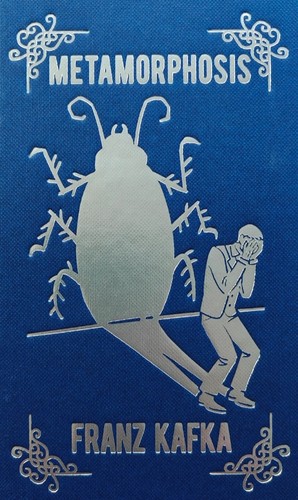
Gregor Samsa wakes as a giant insect, and his family reacts with horror. A short classic about alienation.
Best for: readers who like short, strange novellas.
2. Notes from Underground by Fyodor Dostoevsky
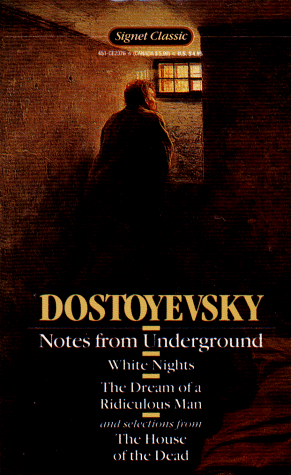
A bitter retired official rants about society and himself. Short, raw and influential.
Best for: readers who want Russian bleakness.
3. Bartleby, the Scrivener by Herman Melville
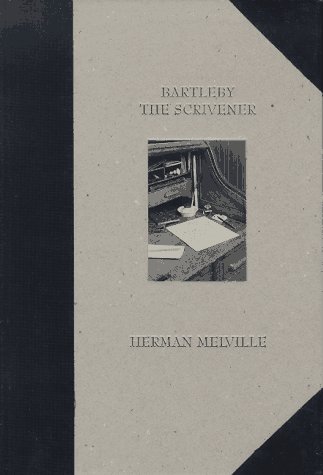
A clerk replies “I would prefer not to” to every request. A funny and unsettling story.
Best for: readers who like quiet rebels.
4. The Overcoat by Nikolai Gogol
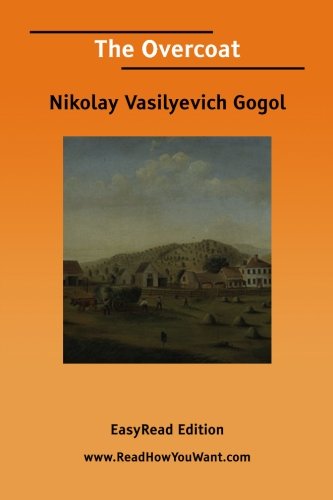
A poor clerk saves for a new coat and is destroyed when it is stolen. A satirical short story.
Best for: readers who like social critique.
5. Death in Venice by Thomas Mann
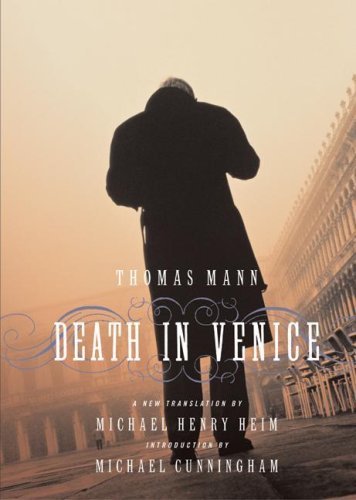
Gustav von Aschenbach, an aging writer, becomes obsessed with a young boy in Venice. Elegant and troubling.
Best for: readers who like psychological depth.
6. The Stranger by Albert Camus
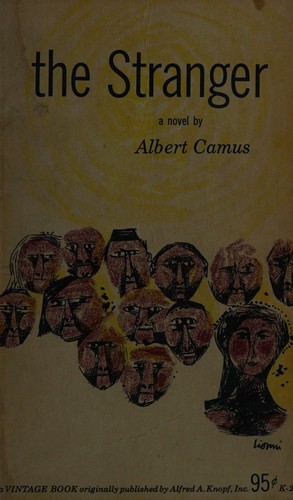
Meursault, who seems indifferent to life, commits a murder. A short classic of absurdism.
Best for: readers who want philosophy in fiction.
7. The Kreutzer Sonata by Leo Tolstoy
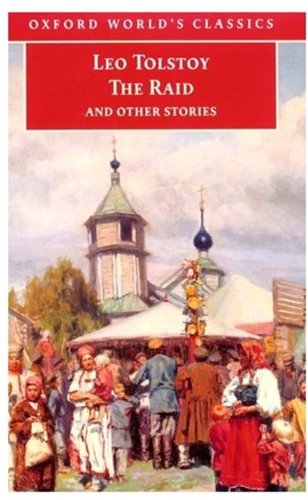
A man tells his story of jealousy and murder on a train. Intense and controversial.
Best for: readers who want more Tolstoy.
8. Master and Man by Leo Tolstoy
A wealthy landowner and his servant are trapped in a blizzard. A moving story of change.
Best for: readers who like short Tolstoy.
9. Stoner by John Williams
William Stoner lives a quiet life as a professor. A modest, deeply moving novel.
Best for: readers who like quiet lives.
10. The Remains of the Day by Kazuo Ishiguro
Stevens, a butler, recalls a life of service and missed love. Restrained and sad.
Best for: readers who like reflection.
11. Mrs. Dalloway by Virginia Woolf
A day in the life of Clarissa Dalloway as she prepares a party, with a war veteran's story woven in. Lyrical and deep.
Best for: readers who like stream of consciousness.
12. When Breath Becomes Air by Paul Kalanithi
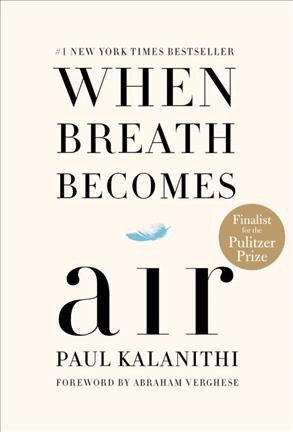
A neurosurgeon faces terminal cancer and writes about meaning. Moving and humane.
Best for: readers who want a modern memoir.
13. Being Mortal by Atul Gawande
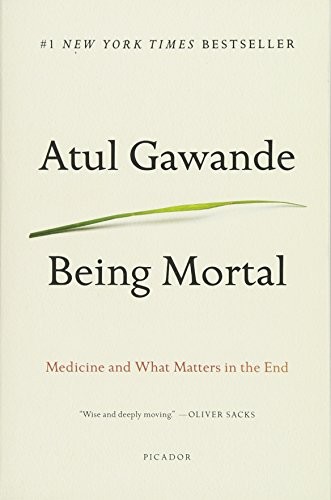
A surgeon examines how medicine treats aging and dying, and what matters at the end of life. Clear and humane.
Best for: readers who want practical wisdom.
14. The Year of Magical Thinking by Joan Didion
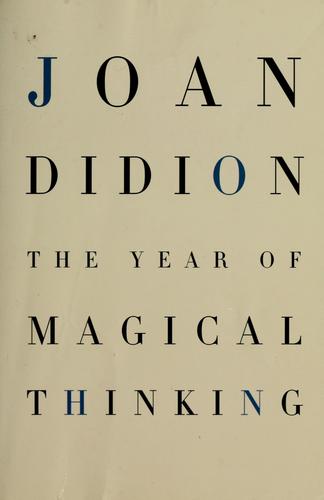
Didion writes about the year after her husband's sudden death. Spare, precise and honest.
Best for: readers who want a grief memoir.
15. The Denial of Death by Ernest Becker
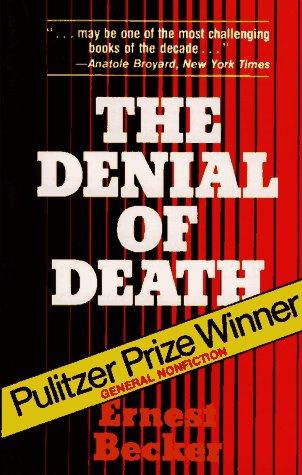
Becker argues that fear of death shapes human culture and behavior. Dense but influential.
Best for: readers who like philosophy.
How to Choose
For short classics, start with The Metamorphosis, Bartleby or Master and Man. For modern reflection, read When Breath Becomes Air or Being Mortal. For grief, choose The Year of Magical Thinking. For quiet fiction about lives that slip by, pick Stoner or The Remains of the Day. These books deal with death, so read them when you are ready. Many readers like to pair Tolstoy with a modern companion: read The Death of Ivan Ilyich in the evening, then Being Mortal the next week, to see how his ideas play out in medicine today. If you prefer audio, the novella is short enough to finish in a few hours.
Related: 15 Best Children’s Books About the Death of a Grandparent · 15 Best Books on the Black Death: Histories and Novels About the Plague
Frequently Asked Questions
What is The Death of Ivan Ilyich about?
It is about a judge who realizes, as he dies, that he has lived superficially, and finds a final moment of clarity.
How long is it?
It is only about 80 pages, so you can finish it in one sitting.
Which translation should I choose?
Look for a modern translation such as Pevear and Volokhonsky's or Aylmer Maude's classic version.
Is it too depressing?
It is sad but also ends with a surprising sense of release.
What is the main theme?
The novella asks whether a conventional, comfortable life is the same as a good life.
Is it a good first Tolstoy?
Yes. It is shorter than War and Peace and Anna Karenina, and many readers find it more direct.