
Disclosure: As an Amazon Associate, Bookish Wisdom earns from qualifying purchases. This doesn't change our picks or your price.
Quick answer: If you liked Dale Carnegie's How to Win Friends and Influence People, try Never Split the Difference, Influence, Crucial Conversations, How to Talk to Anyone, The Charisma Myth and Nonviolent Communication. They teach people skills with stories, science and clear steps.
Carnegie's 1936 classic teaches simple rules: be genuinely interested in others, avoid criticism, smile and remember names. Its advice still works, but readers often want more modern tools: the psychology of persuasion, negotiation tactics and ways to talk through hard conversations. These 15 books cover those needs, with practical advice you can use at work and at home.
Table of Contents
Quick Picks at a Glance
| Book | Author | Ages | Best For |
|---|---|---|---|
| Never Split the Difference | Chris Voss | Adult | readers who want negotiation skills |
| Influence | Robert Cialdini | Adult | readers who want the science |
| Crucial Conversations | Kerry Patterson, Joseph Grenny, Ron McMillan and Al Switzler | Adult | readers who face tough talks |
| How to Talk to Anyone | Leil Lowndes | Adult | readers who want quick tips |
| The Charisma Myth | Olivia Fox Cabane | Adult | readers who want presence |
| Nonviolent Communication | Marshall B. Rosenberg | Adult | readers who want better relationships |
| Getting to Yes | Roger Fisher, William Ury and Bruce Patton | Adult | readers who want fair deals |
| Quiet | Susan Cain | Adult | introverts |
| Give and Take | Adam Grant | Adult | readers who like research-based advice |
| Emotional Intelligence | Daniel Goleman | Adult | readers who want depth |
| Captivate | Vanessa Van Edwards | Adult | readers who like experiments |
| Never Eat Alone | Keith Ferrazzi | Adult | networkers |
| The 7 Habits of Highly Effective People | Stephen R. Covey | Adult | readers who like frameworks |
| How to Stop Worrying and Start Living | Dale Carnegie | Adult | readers who want more Carnegie |
| Talking to Strangers | Malcolm Gladwell | Adult | readers who like big ideas |
1. Never Split the Difference by Chris Voss
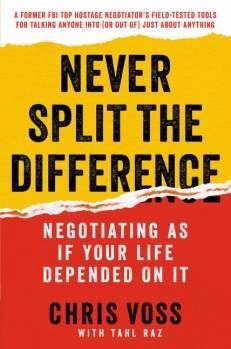
A former FBI negotiator shares tactics such as mirroring and labeling. Practical and entertaining.
Best for: readers who want negotiation skills.
2. Influence by Robert Cialdini
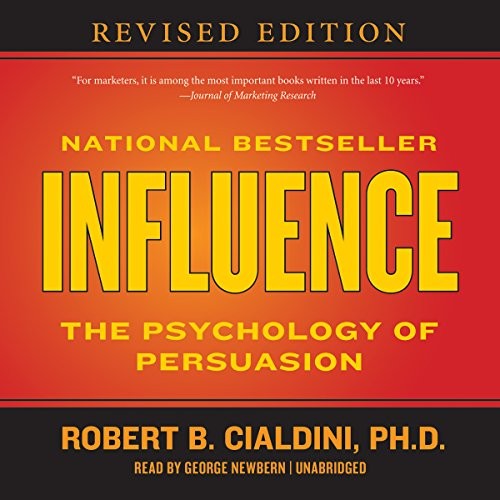
Cialdini explains six principles of persuasion, from reciprocity to social proof. A classic of psychology.
Best for: readers who want the science.
3. Crucial Conversations by Kerry Patterson, Joseph Grenny, Ron McMillan and Al Switzler
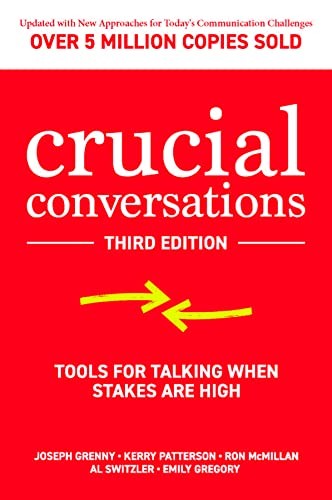
A guide to handling high-stakes talks with calm and clarity. Useful at work and home.
Best for: readers who face tough talks.
4. How to Talk to Anyone by Leil Lowndes
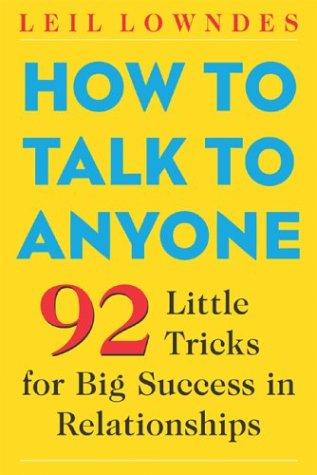
92 short tips for making a good impression and starting conversations. Light and practical.
Best for: readers who want quick tips.
5. The Charisma Myth by Olivia Fox Cabane
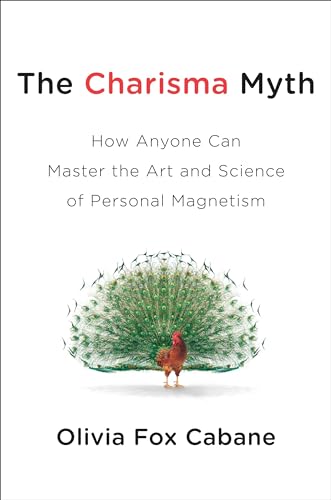
Cabane argues that charisma is a set of skills: presence, power and warmth. Clear and actionable.
Best for: readers who want presence.
6. Nonviolent Communication by Marshall B. Rosenberg

A method for expressing needs and listening with empathy. Gentle and powerful.
Best for: readers who want better relationships.
7. Getting to Yes by Roger Fisher, William Ury and Bruce Patton
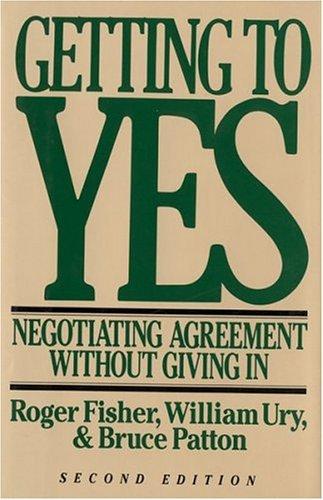
A classic on principled negotiation. Short and clear.
Best for: readers who want fair deals.
8. Quiet by Susan Cain
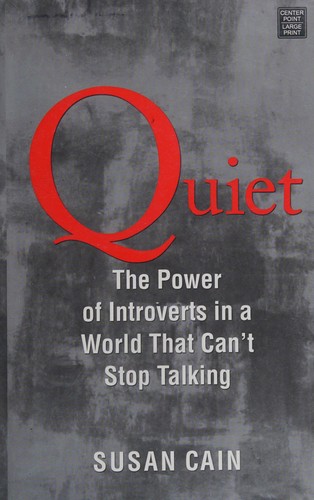
Cain explains the strengths of introverts. Insightful and encouraging.
Best for: introverts.
9. Give and Take by Adam Grant
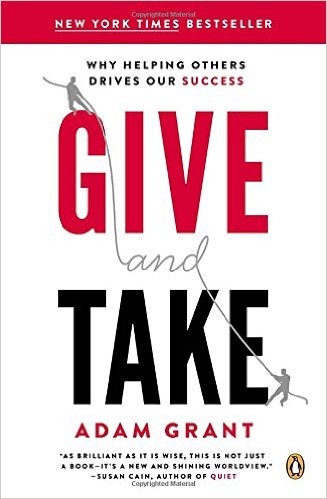
Grant shows why givers often succeed in the long run. Full of stories and research.
Best for: readers who like research-based advice.
10. Emotional Intelligence by Daniel Goleman
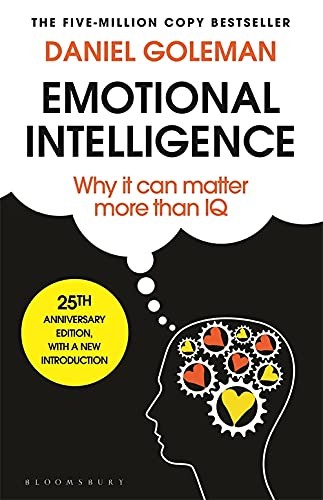
Goleman explains why self-awareness and empathy matter as much as IQ. A landmark book.
Best for: readers who want depth.
11. Captivate by Vanessa Van Edwards
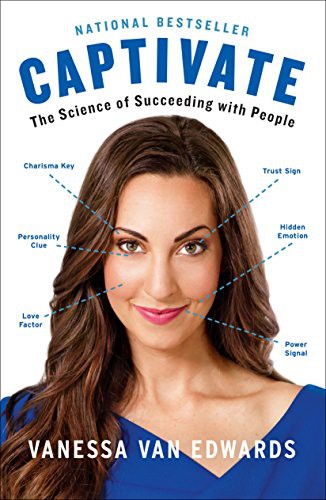
Van Edwards offers science-based tips on first impressions and connection. Light and practical.
Best for: readers who like experiments.
12. Never Eat Alone by Keith Ferrazzi
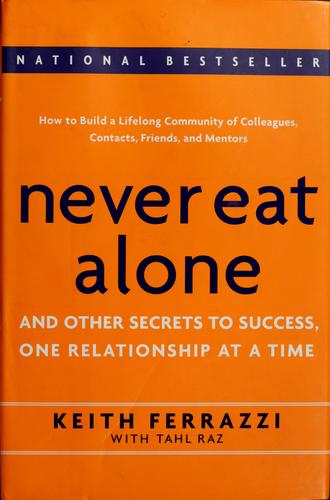
Ferrazzi shows how to build a network by being generous. Energetic and upbeat.
Best for: networkers.
13. The 7 Habits of Highly Effective People by Stephen R. Covey
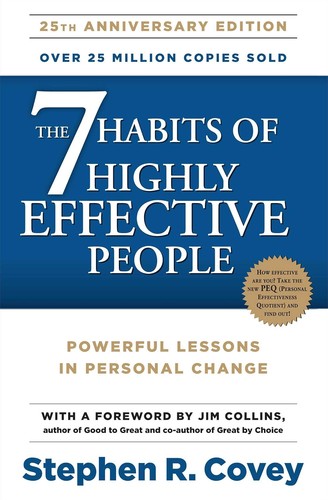
A classic of personal effectiveness, including “seek first to understand.” Foundational.
Best for: readers who like frameworks.
14. How to Stop Worrying and Start Living by Dale Carnegie
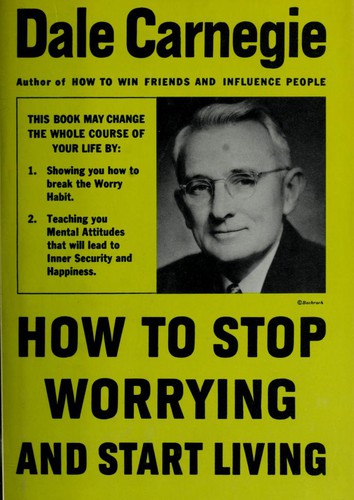
Carnegie's other bestseller on handling anxiety with practical steps. Short chapters.
Best for: readers who want more Carnegie.
15. Talking to Strangers by Malcolm Gladwell
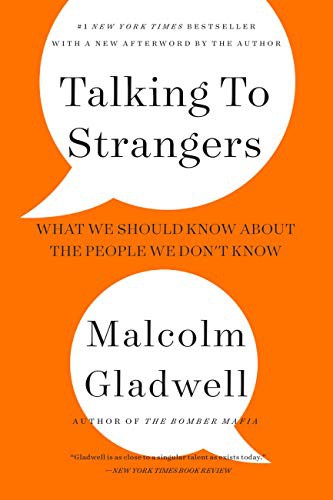
Gladwell explores why we misread people we do not know. Provocative and story-driven.
Best for: readers who like big ideas.
How to Choose
If you want more Carnegie, try How to Stop Worrying and Start Living. For negotiation, begin with Never Split the Difference or Getting to Yes. For understanding why people act as they do, read Influence or Emotional Intelligence. For hard talks, choose Crucial Conversations. Practice one idea per week, such as asking questions and listening, before moving on to the next. For practice, pick one Carnegie principle each week, such as 'become genuinely interested in other people', and record what happens. Then follow with a book on negotiation or listening to build on it.
Related: How to Win Friends and Influence People by Dale Carnegie: Summary and Key Takeaways · How Many People Should Be in a Book Club? The Ideal Size Explained
Frequently Asked Questions
Is How to Win Friends and Influence People still relevant?
Yes. Most of its advice, such as listening and showing appreciation, is timeless, though some examples are dated.
Is it manipulative?
Carnegie stresses sincerity. Using his tips to fake interest tends to backfire.
Which book is best for introverts?
Quiet explains introvert strengths, and The Charisma Myth offers practical skills.
How long does it take to read?
About six hours, since it is easy to read and has short chapters.
Is it good for managers?
Yes. Its rules on praise, criticism and listening apply to leadership, and Crucial Conversations adds tools for tough talks.
Is the book dated?
The examples are from the 1930s, but the core ideas hold up.