
Disclosure: As an Amazon Associate, Bookish Wisdom earns from qualifying purchases. This doesn’t change our picks or your price.
TL;DR: How to Win Friends and Influence People by Dale Carnegie teaches that success with people comes from genuine interest, appreciation and respect. Its principles, such as avoiding criticism, remembering names, listening well and letting others save face, are simple, practical and still widely used almost a century after publication.
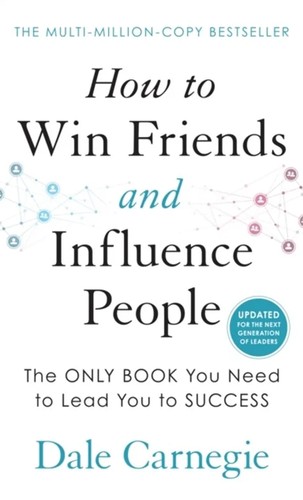
First published in 1936, How to Win Friends and Influence People is one of the best-selling self-help books of all time, and it has stayed popular because its advice is so human. Dale Carnegie, a public-speaking teacher from Missouri, built the book from his courses and from stories of everyday people and public figures. It’s divided into four parts with simple principles for dealing with others, making friends, persuading and leading. Here’s a complete summary of the ideas and how to use them today.
Table of Contents
How to Win Friends and Influence People at a Glance
| Detail | Info |
|---|---|
| Author | Dale Carnegie |
| First published | 1936 (revised in 1981) |
| Genre | Self-help, communication |
| Core idea | Genuine interest and appreciation build influence |
| Structure | Four parts with about thirty principles |
| Best for | Anyone who wants better relationships at work, home or in public life |
What Is How to Win Friends and Influence People About?
Carnegie’s central claim is that most people want to feel important, and that those who give sincere appreciation and interest get cooperation in return. He argues that criticism, condemnation and complaining rarely change anyone, because people defend themselves and resent being blamed. He illustrates this with examples such as the criminal Two-Gun Crowley, who insisted he was a good person even as he was captured.
The book is built on principles that can be practiced daily. They are simple, even obvious, but Carnegie insists that knowing them isn’t enough; you must apply them, and he includes suggestions for review. The prose is full of short anecdotes, from Abraham Lincoln to ordinary salesmen, which make the principles vivid and easy to remember.
Key Ideas, Part by Part
Part One: Fundamental Techniques in Handling People
The first part sets out three principles. Don’t criticize, condemn or complain. Give honest, sincere appreciation. Arouse in the other person an eager want. Carnegie shows that criticism puts people on the defensive, while appreciation encourages them to improve. He recommends thinking about what the other person wants and showing how your request helps them get it, as in his example of Ralph Waldo Emerson and the calf that wouldn’t go into the barn until a maid let it suck her finger.
Part Two: Six Ways to Make People Like You
The second part covers six principles for building rapport: become genuinely interested in other people; smile; remember that a person’s name is to that person the sweetest and most important sound; be a good listener and encourage others to talk about themselves; talk in terms of the other person’s interests; and make the other person feel important, and do it sincerely.
Carnegie stresses that these must be genuine, not manipulative. He shows how simple actions, such as remembering a name or asking a thoughtful question, make people feel valued, and how this creates goodwill that lasts.
Part Three: How to Win People to Your Way of Thinking
The third part gives twelve principles for persuasion. The only way to get the best of an argument is to avoid it. Show respect for the other person’s opinions and never say you’re wrong. If you are wrong, admit it quickly and emphatically. Begin in a friendly way. Get the other person saying yes, yes immediately. Let the other person do a great deal of the talking. Let the other person feel the idea is theirs. Try honestly to see things from their point of view. Be sympathetic to their ideas and desires. Appeal to nobler motives. Dramatize your ideas. Throw down a challenge.
These principles reflect Carnegie’s belief that persuasion works best when the other person feels respected and involved. He shows how arguments produce resentment even when you win, and how asking questions can lead people to reach your conclusion on their own.
Part Four: Be a Leader: How to Change People Without Giving Offense
The final part gives nine principles for leaders. Begin with praise and honest appreciation. Call attention to people’s mistakes indirectly. Talk about your own mistakes before criticizing others. Ask questions instead of giving direct orders. Let the other person save face. Praise the slightest improvement and praise every improvement. Give the other person a fine reputation to live up to. Use encouragement and make the fault seem easy to correct. Make the other person happy about doing what you suggest.
Carnegie argues that people respond better to encouragement than to blame, and that leaders who protect dignity earn loyalty. He includes stories of managers, teachers and parents who turned conflict into cooperation.
7 Key Takeaways From How to Win Friends and Influence People
- Avoid criticism. Condemning people makes them defensive and rarely changes behavior.
- Give sincere appreciation. People crave recognition, and honest praise motivates them.
- Be interested in others. You make more friends in two months by being interested in them than in years of trying to interest them in you.
- Listen more than you talk. Encourage others to speak about themselves and their interests.
- Avoid arguments. Winning an argument often loses the person.
- Admit your mistakes. Owning errors quickly builds trust and disarms conflict.
- Let others save face. Protect people’s dignity when you correct them.
Ideas Worth Remembering
- Hearing their own name is one of the most pleasing sounds to a person. (paraphrased)
- The only way to come out ahead in an argument is usually to avoid it. (paraphrased)
- Talking about what interests other people makes them want to listen. (paraphrased)
- Encouragement changes behavior more reliably than blame. (paraphrased)
How to Apply How to Win Friends and Influence People in Real Life
- Use names. Make a point of remembering and using people’s names in conversation.
- Praise specifically. Thank someone for something particular they did today.
- Ask questions. Replace a command with a question, such as would it work to…?
- Pause before criticizing. Start with what’s working and speak privately about problems.
- Listen fully. In your next conversation, ask a follow-up question before speaking about yourself.
Criticisms and Limits
Some readers find the book dated, with its many examples from the early 20th century and its focus on business and sales. Others feel that it sometimes oversimplifies conflicts, especially when people are being treated unfairly and may need to confront a problem directly. The advice to avoid criticism and arguments, for example, can be hard to apply when safety or ethics are at stake.
Critics also say that the book can be read as promoting a surface-level charm. In practice, the best reading is the one Carnegie intended: as a guide to treating people with respect, curiosity and generosity, which are values that outlast any technique.
Famous Stories From the Book
Carnegie opens with the story of Al Capone and Two-Gun Crowley to show that even criminals think they are good people. He tells of Abraham Lincoln’s habit of writing angry letters and then not sending them, a way to avoid hurtful criticism. He uses Charles Schwab’s story of a steel mill manager who got workers to improve by writing a number on the floor, an example of challenge. Each tale shows a principle in action, and many readers remember the stories long after they’ve forgotten the rule they illustrate.
Is It Manipulative? Carnegie’s Answer
Critics have called the book manipulative, since it teaches people to make others feel good in order to get something. Carnegie addresses this by insisting that the principles only work if they are sincere: you should really care about the people you’re talking to, and your goal should be a win for both sides. Modern readers often take the same approach, using the ideas to be more thoughtful, rather than as tricks. If you notice yourself using a principle as a trick, it’s a sign to adjust your intentions.
How the Book Has Changed Over Time
The original 1936 edition has been updated, most notably in a 1981 revision by Dale Carnegie’s wife, Dorothy, which replaced older examples and language. Digital life has added new challenges, such as how to use the principles on social media and in email. Most of the advice still applies: be kind, listen, avoid public criticism and show appreciation. Some modern readers note that the book’s examples are mostly male and corporate, but the principles are easy to adapt to any setting.
A 30-Day Practice Plan
To practice the book, choose one principle each week for four weeks. In week one, avoid criticizing, condemning or complaining, and track your slips. In week two, give one sincere compliment each day. In week three, practice remembering and using names and asking questions about others’ interests. In week four, avoid arguments, and when you disagree, begin with something you agree about. Keep a small notebook of what happened. At the end, review which changes made the biggest difference in your relationships.
Who Should Read How to Win Friends and Influence People?
Read it if you want to improve your communication at work, in sales, in leadership or at home. It’s a good choice for introverts who want practical ways to start conversations, for managers who want to motivate teams and for anyone who has had trouble with arguments or criticism. If you’ve already read modern communication books, it still makes a useful reminder of the basics.
What to Read Next
- The 7 Habits of Highly Effective People by Stephen R. Covey a principle-based approach that includes seek first to understand
- Never Split the Difference by Chris Voss a modern, practical guide to negotiation and empathy
- Influence by Robert B. Cialdini the research on why people say yes
Related: The 7 Habits of Highly Effective People summary and key takeaways and summaries of the best self-help books ever written.
Frequently Asked Questions
What is the main idea of How to Win Friends and Influence People?
That you build good relationships and influence by showing genuine interest, appreciation and respect for others.
How many principles are in the book?
The book has about thirty principles grouped into four parts, plus several rules for happier home life in some editions.
Is How to Win Friends and Influence People still relevant?
Yes. Some examples are dated, but its advice about listening, appreciation and avoiding criticism holds up well.
Is the book manipulative?
Carnegie argues the principles only work if they’re sincere. Used with honesty, they are about respect, not tricks.
What should I read after How to Win Friends and Influence People?
Try The 7 Habits of Highly Effective People or Never Split the Difference.