

Disclosure: As an Amazon Associate, Bookish Wisdom earns from qualifying purchases. This doesn't change our picks or your price.
Quick answer: If you loved The Gene, try The Emperor of All Maladies, The Song of the Cell, The Immortal Life of Henrietta Lacks, The Code Breaker, The Double Helix and Rosalind Franklin: The Dark Lady of DNA. Each one combines science and storytelling to explain genetics, medicine or what makes us human.
Siddhartha Mukherjee's 2016 book tells the history of the gene, from Mendel's pea plants and Darwin's theory to the double helix, the Human Genome Project and gene editing. He weaves in his own family's history of mental illness, asking what we inherit and how much we can control. Readers love its blend of science and personal story. These books share its big science, its history and its human questions.
Table of Contents
Quick Picks at a Glance
| Book | Author | Focus | Best For |
|---|---|---|---|
| The Emperor of All Maladies | Siddhartha Mukherjee | Medicine | readers who want more Mukherjee |
| The Song of the Cell | Siddhartha Mukherjee | Biology | readers who want his latest |
| The Immortal Life of Henrietta Lacks | Rebecca Skloot | Medicine | readers who like human stories |
| The Code Breaker | Walter Isaacson | Gene editing | readers who want CRISPR's story |
| The Double Helix | James D. Watson | Discovery | readers who want a first-hand account |
| Rosalind Franklin: The Dark Lady of DNA | Brenda Maddox | Biography | readers who want the other side |
| She Has Her Mother's Laugh | Carl Zimmer | Heredity | readers who like heredity |
| The Selfish Gene | Richard Dawkins | Evolution | readers who want the classic |
| Genome | Matt Ridley | Genetics | readers who like chromosome tours |
| Inheritance | Sharon Moalem | Genetics | readers who want a doctor's view |
| The Violinist's Thumb | Sam Kean | Genetics | readers who like fun stories |
| Behave | Robert M. Sapolsky | Behavior | readers who want genes and behavior |
| Being Mortal | Atul Gawande | Medicine | readers who want medicine's human side |
| Your Inner Fish | Neil Shubin | Evolution | readers who like anatomy |
| Spillover | David Quammen | Disease | readers who like disease science |
1. The Emperor of All Maladies by Siddhartha Mukherjee
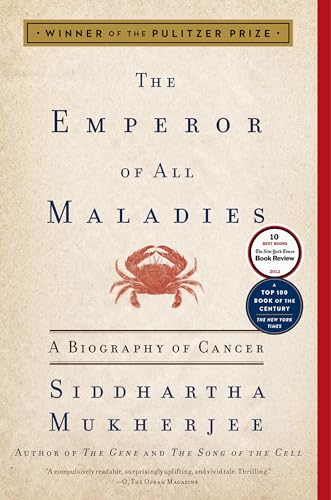
A cancer doctor's Pulitzer-winning history of the disease.
Best for: readers who want more Mukherjee.
2. The Song of the Cell by Siddhartha Mukherjee
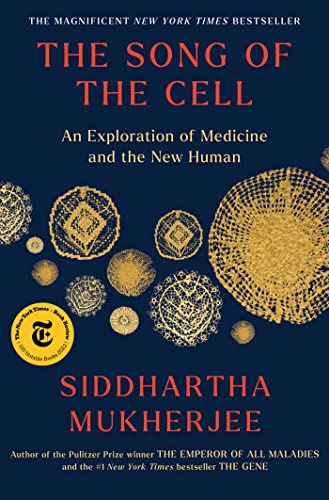
The story of the cell and its medicine.
Best for: readers who want his latest.
3. The Immortal Life of Henrietta Lacks by Rebecca Skloot

A woman's cells changed medicine without her family's knowledge.
Best for: readers who like human stories.
4. The Code Breaker by Walter Isaacson
Jennifer Doudna and the gene-editing revolution.
Best for: readers who want CRISPR's story.
5. The Double Helix by James D. Watson
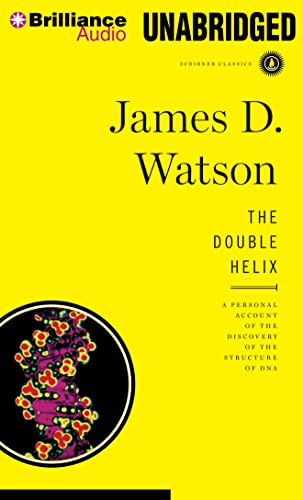
Watson's account of discovering DNA's structure.
Best for: readers who want a first-hand account.
6. Rosalind Franklin: The Dark Lady of DNA by Brenda Maddox
The life of the scientist behind key DNA images.
Best for: readers who want the other side.
7. She Has Her Mother's Laugh by Carl Zimmer
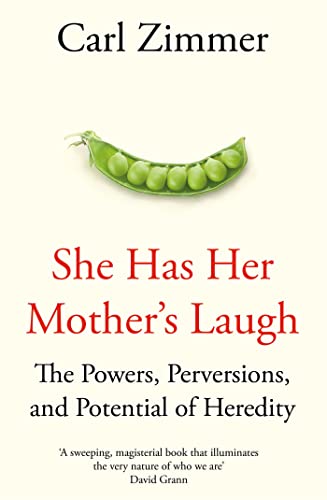
How heredity works, past and future.
Best for: readers who like heredity.
8. The Selfish Gene by Richard Dawkins

Evolution from the gene's point of view.
Best for: readers who want the classic.
9. Genome by Matt Ridley
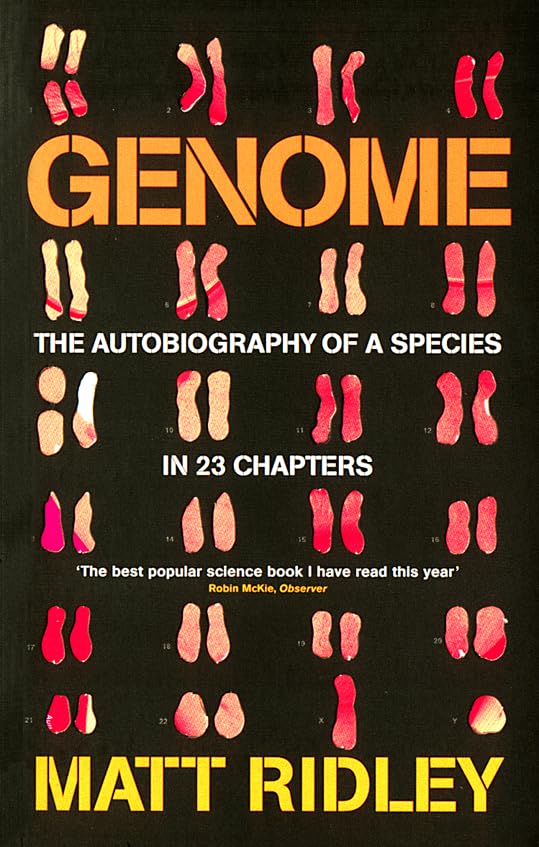
A tour of the genome.
Best for: readers who like chromosome tours.
10. Inheritance by Sharon Moalem
How genes and lives shape each other.
Best for: readers who want a doctor's view.
11. The Violinist's Thumb by Sam Kean
Strange stories hidden in DNA.
Best for: readers who like fun stories.
12. Behave by Robert M. Sapolsky

The biology of behavior.
Best for: readers who want genes and behavior.
13. Being Mortal by Atul Gawande
A surgeon on aging and death.
Best for: readers who want medicine's human side.
14. Your Inner Fish by Neil Shubin
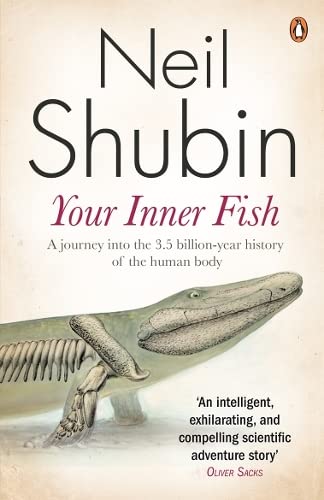
Our bodies' ancient history.
Best for: readers who like anatomy.
15. Spillover by David Quammen
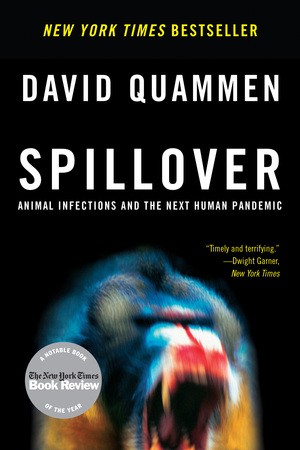
How animal diseases jump to humans.
Best for: readers who like disease science.
How We Chose These Books
Every pick is a real, widely available book that shares something specific with The Gene: its tone, its themes, its pace or the kind of characters it puts at the center. We mixed well-known favorites with a few less obvious titles, and we noted who each book suits best so you can match it to the reader. Where a book belongs to a series, we list the first volume so you can start at the beginning.
If you are not sure where to begin, start with the first three picks in the table: they are the closest match to The Gene. The rest of the list moves further out, so it works well once you know which part of the original you liked most. If a pick is part of a longer series, read the first book before you commit, and check the age or content notes in the table before passing a book to a younger reader.
How to Choose
For more Mukherjee, The Emperor of All Maladies is essential, and The Song of the Cell continues the story. If you want the gene-editing revolution, read The Code Breaker. The Double Helix and Rosalind Franklin give two sides of the DNA story. For lighter, fun genetics, The Violinist's Thumb is a great pick.
Related: The Immortal Life of Henrietta Lacks by Rebecca Skloot: Summary and Key Takeaways
Frequently Asked Questions
What is The Gene about?
The history of genetics from Mendel to gene editing, mixed with the author's family story.
Who is Siddhartha Mukherjee?
A cancer physician and researcher who won a Pulitzer for The Emperor of All Maladies.
Is The Gene hard to read?
It is long but written for general readers.
Is there a documentary?
Yes. Ken Burns produced a PBS documentary based on it in 2020.
Does The Gene discuss CRISPR?
Yes. It covers gene editing and its ethical questions.
What is Mukherjee's family history?
Several relatives lived with mental illness, which drives his questions about heredity.
What should I read next?
The Emperor of All Maladies.