
Disclosure: As an Amazon Associate, Bookish Wisdom earns from qualifying purchases. This doesn't change our picks or your price.
Quick answer: If you loved The Selfish Gene, try The Extended Phenotype, The Blind Watchmaker, On the Origin of Species, Your Inner Fish, The Gene and Sapiens. Each one explains evolution, genetics or human nature in a way that changes how you see life.
Richard Dawkins's 1976 classic explains evolution from the gene's point of view. He argues that bodies are “survival machines” built by genes that are copied into future generations, and that this view explains behavior such as altruism toward relatives. The book also coined the word “meme” for ideas that spread from mind to mind. Readers love its clear writing and bold ideas. These books share its science of evolution and its big questions about why living things behave as they do.
Table of Contents
Quick Picks at a Glance
| Book | Author | Focus | Best For |
|---|---|---|---|
| The Extended Phenotype | Richard Dawkins | Evolution | readers who want Dawkins's deeper follow-up |
| The Blind Watchmaker | Richard Dawkins | Evolution | readers who want more Dawkins |
| On the Origin of Species | Charles Darwin | Evolution | readers who want the original |
| Your Inner Fish | Neil Shubin | Anatomy | readers who like fossils |
| The Gene | Siddhartha Mukherjee | Genetics | readers who want the history of genetics |
| Sapiens | Yuval Noah Harari | Human history | readers who like the big story |
| The Beak of the Finch | Jonathan Weiner | Evolution | readers who want evolution in action |
| The Ancestor's Tale | Richard Dawkins and Yan Wong | Evolution | readers who like journeys through time |
| The Moral Animal | Robert Wright | Psychology | readers who like evolution and behavior |
| The Red Queen | Matt Ridley | Sex and evolution | readers who like evolution's puzzles |
| Behave | Robert M. Sapolsky | Behavior | readers who want the full biology of behavior |
| The Third Chimpanzee | Jared Diamond | Human evolution | readers who like humans as animals |
| Genome | Matt Ridley | Genetics | readers who like chapter-by-chapter tours |
| Why Evolution Is True | Jerry A. Coyne | Evidence | readers who want the evidence |
| The Greatest Show on Earth | Richard Dawkins | Evidence | readers who want Dawkins on evidence |
1. The Extended Phenotype by Richard Dawkins
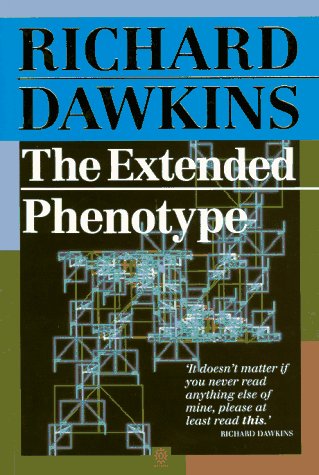
Genes reach beyond the body to shape the world around it.
Best for: readers who want Dawkins's deeper follow-up.
2. The Blind Watchmaker by Richard Dawkins
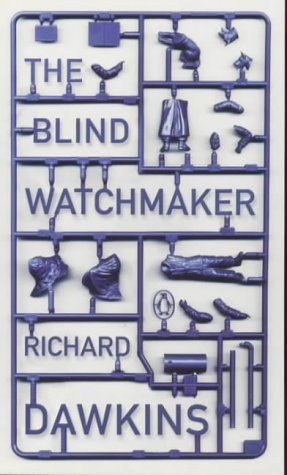
How natural selection builds complex life without a designer.
Best for: readers who want more Dawkins.
3. On the Origin of Species by Charles Darwin
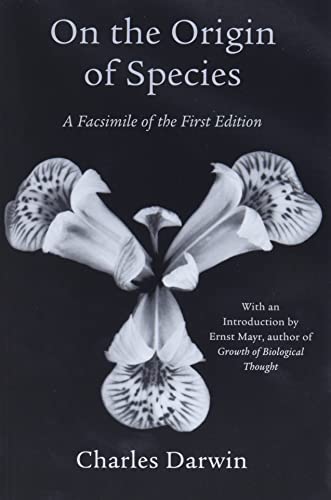
Darwin's 1859 argument for evolution by natural selection.
Best for: readers who want the original.
4. Your Inner Fish by Neil Shubin
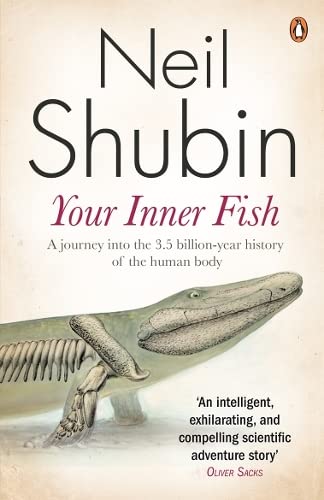
A paleontologist traces the human body back to ancient fish.
Best for: readers who like fossils.
5. The Gene by Siddhartha Mukherjee
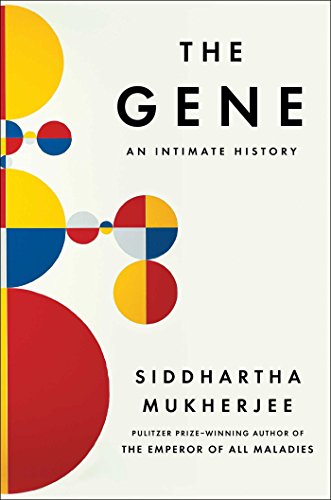
A doctor's history of the gene, woven with his family story.
Best for: readers who want the history of genetics.
6. Sapiens by Yuval Noah Harari
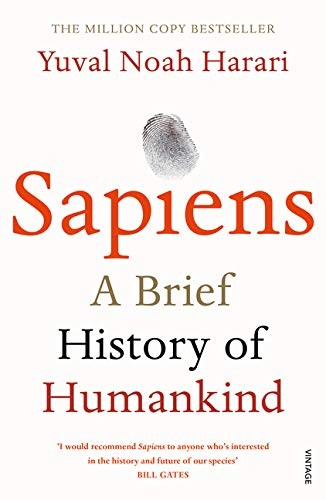
How humans came to rule the world.
Best for: readers who like the big story.
7. The Beak of the Finch by Jonathan Weiner
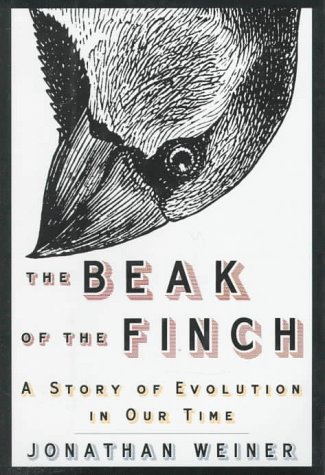
Scientists watch finches evolve in the Galápagos.
Best for: readers who want evolution in action.
8. The Ancestor's Tale by Richard Dawkins and Yan Wong
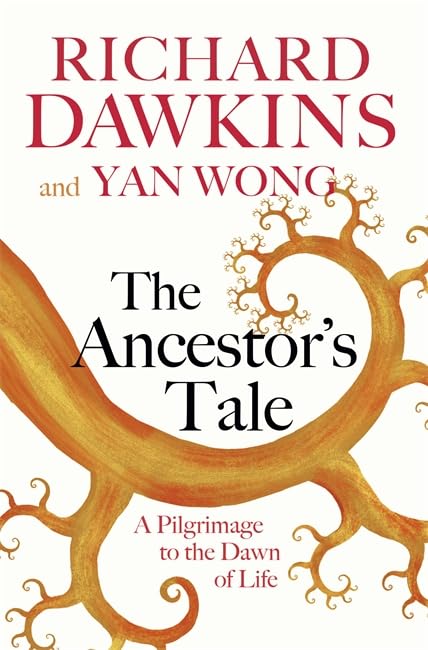
A pilgrimage back through life's common ancestors.
Best for: readers who like journeys through time.
9. The Moral Animal by Robert Wright
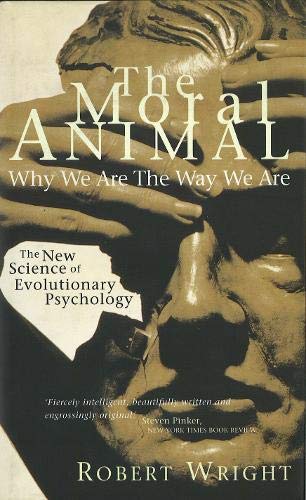
How evolution shapes human morality.
Best for: readers who like evolution and behavior.
10. The Red Queen by Matt Ridley
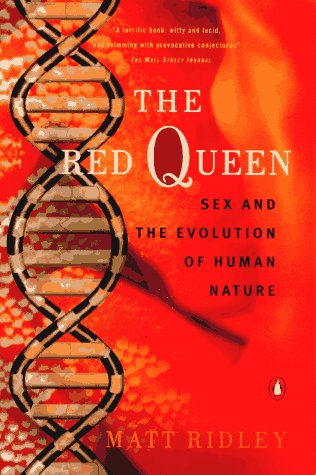
Why sexual reproduction evolved.
Best for: readers who like evolution's puzzles.
11. Behave by Robert M. Sapolsky

The biology behind our best and worst actions.
Best for: readers who want the full biology of behavior.
12. The Third Chimpanzee by Jared Diamond
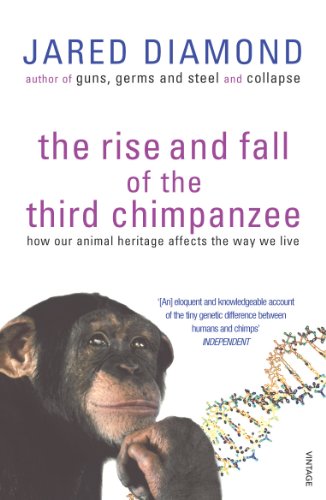
What makes humans different.
Best for: readers who like humans as animals.
13. Genome by Matt Ridley
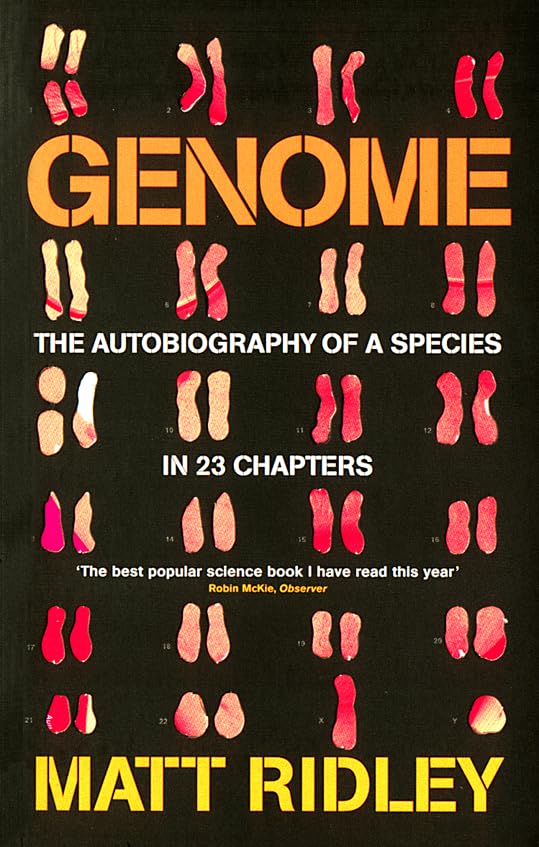
A tour of the human genome, one chromosome at a time.
Best for: readers who like chapter-by-chapter tours.
14. Why Evolution Is True by Jerry A. Coyne
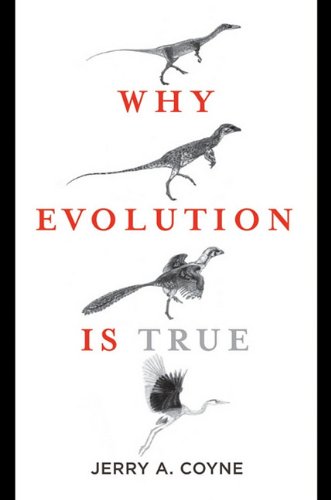
A clear summary of the evidence for evolution.
Best for: readers who want the evidence.
15. The Greatest Show on Earth by Richard Dawkins
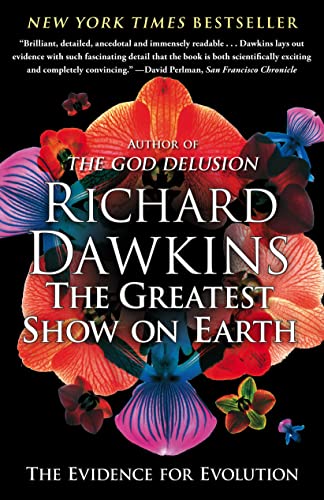
Dawkins sets out the case for evolution.
Best for: readers who want Dawkins on evidence.
How We Chose These Books
Every pick is a real, widely available book that shares something specific with The Selfish Gene: its tone, its themes, its pace or the kind of characters it puts at the center. We mixed well-known favorites with a few less obvious titles, and we noted who each book suits best so you can match it to the reader. Where a book belongs to a series, we list the first volume so you can start at the beginning.
If you are not sure where to begin, start with the first three picks in the table: they are the closest match to The Selfish Gene. The rest of the list moves further out, so it works well once you know which part of the original you liked most. If a pick is part of a longer series, read the first book before you commit, and check the age or content notes in the table before passing a book to a younger reader.
How to Choose
Read The Blind Watchmaker or The Greatest Show on Earth for more Dawkins at his clearest. If you want to see evolution happening in real time, The Beak of the Finch is wonderful, and Your Inner Fish is a fun look at our ancient anatomy. For behavior, The Moral Animal and Behave build on the same ideas. The Gene gives the human history of genetics.
Related: Sapiens by Yuval Noah Harari: Summary and Key Takeaways
Frequently Asked Questions
What is The Selfish Gene about?
It explains evolution from the gene's point of view, treating bodies as vehicles for genes.
Does “selfish gene” mean people are selfish?
No. Dawkins explains how selfish genes can produce cooperative, altruistic behavior.
What is a meme?
Dawkins's word for an idea or behavior that spreads between people, like a gene spreads between bodies.
When was The Selfish Gene published?
In 1976, with later anniversary editions.
Is The Selfish Gene hard to read?
It is written for general readers, though some chapters require focus.
Is it still relevant?
Yes. It remains one of the most influential popular science books.
What should I read next?
The Extended Phenotype or The Blind Watchmaker.