

Disclosure: As an Amazon Associate, Bookish Wisdom earns from qualifying purchases. This doesn't change our picks or your price.
Quick answer: If you liked The Go-Giver, read Give and Take, How to Win Friends and Influence People, Fish! and Never Eat Alone. All argue that generosity and real attention to others build success.
Bob Burg and John David Mann's 2007 business fable follows Joe, an ambitious young man who meets a mentor and learns five laws of stratospheric success, built on giving value. It is short, simple and warm. The books below offer related ideas about generosity, relationships and kind leadership.
Table of Contents
Quick Picks at a Glance
| Book | Author | Ages | Best For |
|---|---|---|---|
| Give and Take | Adam Grant | Adult | givers, takers and matchers |
| How to Win Friends and Influence People | Dale Carnegie | Adult | people skills |
| Fish! | Stephen C. Lundin, Harry Paul and John Christensen | Adult | joyful work |
| Never Eat Alone | Keith Ferrazzi | Adult | networking |
| The One Minute Manager | Kenneth Blanchard and Spencer Johnson | Adult | quick management |
| Leadership and Self-Deception | The Arbinger Institute | Adult | seeing others clearly |
| Who Moved My Cheese? | Spencer Johnson | Adult | handling change |
| The Energy Bus | Jon Gordon | Adult | positive thinking |
| The Five Dysfunctions of a Team | Patrick Lencioni | Adult | team trust |
| Start with Why | Simon Sinek | Adult | purpose-driven leadership |
| Think and Grow Rich | Napoleon Hill | Adult | classic success |
| The Richest Man in Babylon | George S. Clason | Adult | money parables |
| Influence | Robert B. Cialdini | Adult | psychology of persuasion |
| Dare to Lead | Brene Brown | Adult | courageous leadership |
| Atomic Habits | James Clear | Adult | small changes |
1. Give and Take by Adam Grant
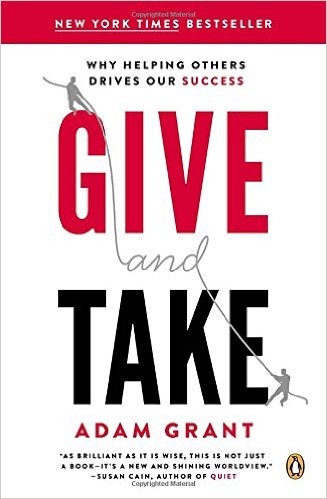
Grant's research shows how generosity can lead to success. Clear and persuasive.
Best for: givers, takers and matchers.
2. How to Win Friends and Influence People by Dale Carnegie
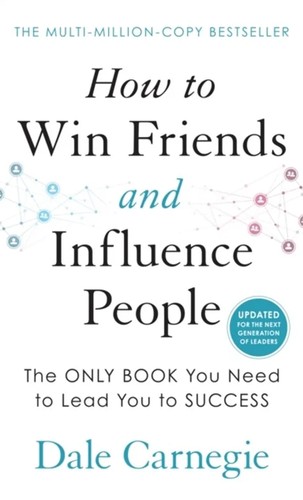
A classic on listening and respect. Old but still very readable.
Best for: people skills.
3. Fish! by Stephen C. Lundin, Harry Paul and John Christensen
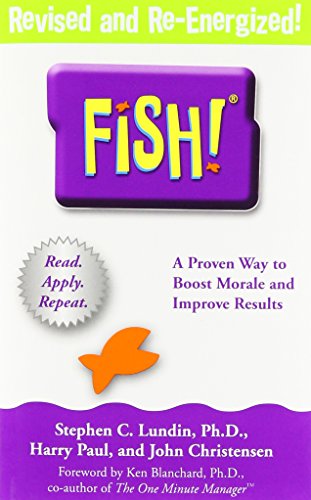
A manager learns to improve morale from a Seattle fish market. A cheerful business parable.
Best for: joyful work.
4. Never Eat Alone by Keith Ferrazzi
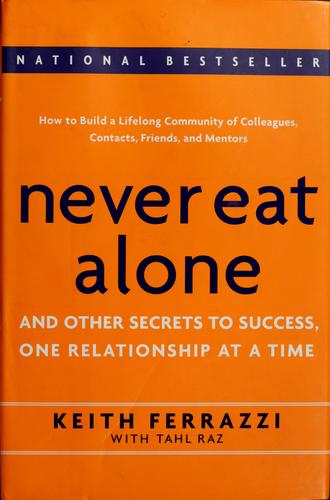
Ferrazzi argues for building genuine relationships. Energetic and practical.
Best for: networking.
5. The One Minute Manager by Kenneth Blanchard and Spencer Johnson
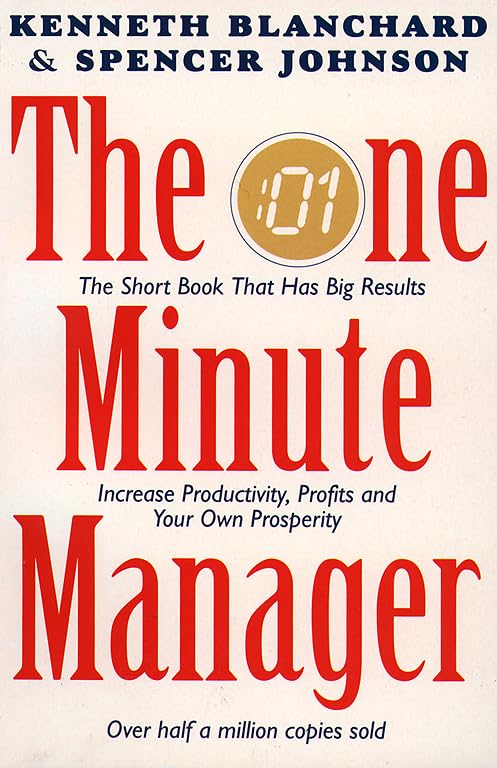
A young man seeks a manager who gets results with little time. A classic fable.
Best for: quick management.
6. Leadership and Self-Deception by The Arbinger Institute
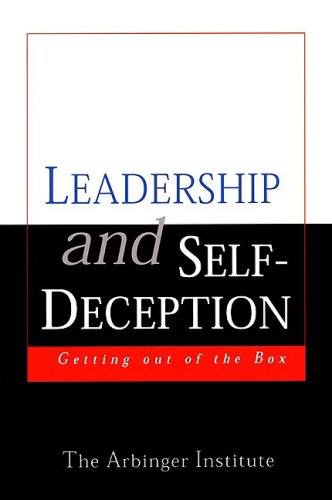
A story about how we trap ourselves in a self-centred mindset. Thought-provoking and practical.
Best for: seeing others clearly.
7. Who Moved My Cheese? by Spencer Johnson
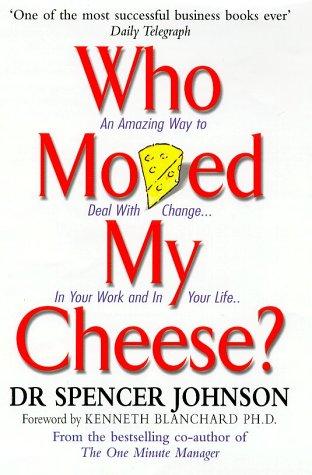
Two mice and two little people deal with a disappearing food supply. A tiny classic.
Best for: handling change.
8. The Energy Bus by Jon Gordon
A man learns ten rules for creating positive energy. Short and upbeat.
Best for: positive thinking.
9. The Five Dysfunctions of a Team by Patrick Lencioni

A business fable about why teams fail. Short, memorable and easy to share.
Best for: team trust.
10. Start with Why by Simon Sinek
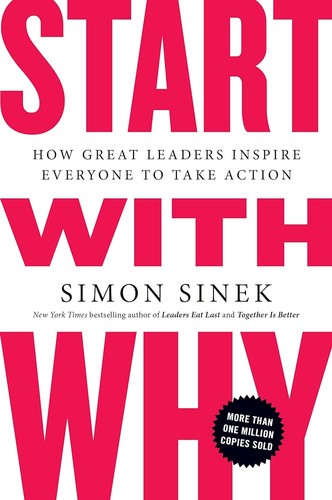
Sinek argues that great leaders inspire by explaining why. Popular and clear.
Best for: purpose-driven leadership.
11. Think and Grow Rich by Napoleon Hill
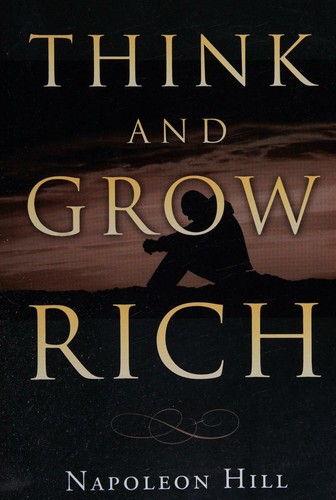
A classic on desire, persistence and mindset. Old-fashioned but influential.
Best for: classic success.
12. The Richest Man in Babylon by George S. Clason

Short parables about saving and investing. Simple and enduring.
Best for: money parables.
13. Influence by Robert B. Cialdini
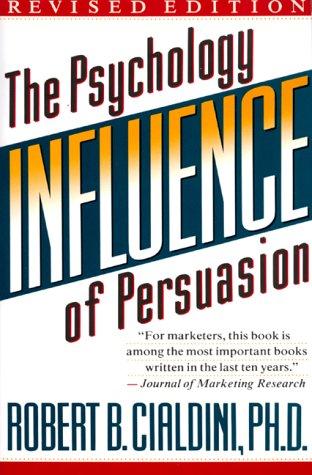
Cialdini explains the principles behind compliance and persuasion. A classic of social psychology.
Best for: psychology of persuasion.
14. Dare to Lead by Brene Brown
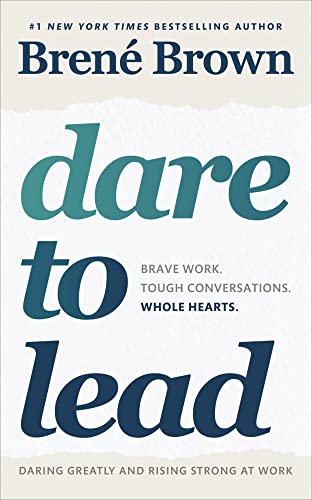
Brown argues that leadership needs vulnerability, trust and courage. Practical exercises.
Best for: courageous leadership.
15. Atomic Habits by James Clear

Clear shows how tiny habits add up to big results. Practical and widely loved.
Best for: small changes.
How We Chose These Books
Every pick is a real, widely available book that shares something specific with The Go-Giver: its tone, its themes, its pace or the kind of characters it puts at the center. We mixed well-known favorites with a few less obvious titles, and we noted who each book suits best so you can match it to the reader. Where a book belongs to a series, we list the first volume so you can start at the beginning.
How to Choose
For generosity in business choose Give and Take or Never Eat Alone. For fables pick Fish!, The One Minute Manager or Who Moved My Cheese? For leadership read Start with Why, Dare to Lead or The Five Dysfunctions of a Team. For classics try How to Win Friends and Influence People. The Go-Giver is short, so you can read it in one sitting and apply one law at your next meeting. Many readers share The Go-Giver with colleagues or new hires, since its five laws are easy to remember and discuss. A good habit is to pick one law from the book each week and apply it at work. If you enjoy short stories with a message, Fish! and Who Moved My Cheese? are quick. If you want research behind the idea, Give and Take and Influence give the data. If you want broader leadership books, Start with Why and Dare to Lead are strong. Audiobooks make a handy commute companion.
Related: 15 Books Like The Giver by Lois Lowry You’ll Love: Dystopian Stories for Young Readers · What Age Is The Giver Appropriate For? A Parent’s Guide
Frequently Asked Questions
What is The Go-Giver about?
A young man learns five laws of success from a mentor, all built on giving value.
Who wrote it?
Bob Burg and John David Mann.
When was it published?
2007.
Is it a fable?
Yes, a business parable with a story.
Is it a long book?
No, it is about 150 pages.
Is there a sequel?
Yes, Go-Givers Sell More and others.
Who is it for?
Anyone in sales, leadership or business.
What should I read next?
Try Give and Take or Fish!.
What are the five laws?
The Law of Value, Compensation, Influence, Authenticity and Receptivity.
Is the book only for salespeople?
No, it applies to anyone who works with others.