

Disclosure: As an Amazon Associate, Bookish Wisdom earns from qualifying purchases. This doesn't change our picks or your price.
Quick answer: If you loved The Namesake, read Jhumpa Lahiri's Interpreter of Maladies and Unaccustomed Earth, then The Inheritance of Loss, Brooklyn, Homegoing and Americanah. All are quiet, observant novels about immigrant families, names and belonging.
Jhumpa Lahiri's 2003 novel follows the Ganguli family, from Ashima and Ashoke's arranged marriage in Calcutta to their son Gogol's search for identity in America. It is gentle, detailed and moving. The books below offer similar stories of migration, family expectations and the pull between two worlds.
Table of Contents
Quick Picks at a Glance
| Book | Author | Ages | Best For |
|---|---|---|---|
| Interpreter of Maladies | Jhumpa Lahiri | Adult | the Pulitzer winner |
| Unaccustomed Earth | Jhumpa Lahiri | Adult | second-generation stories |
| The Lowland | Jhumpa Lahiri | Adult | brothers and politics |
| The Inheritance of Loss | Kiran Desai | Adult | global stories |
| Brooklyn | Colm Toibin | Adult | quiet emigration |
| Homegoing | Yaa Gyasi | Adult | generations apart |
| Americanah | Chimamanda Ngozi Adichie | Adult | love and race |
| The God of Small Things | Arundhati Roy | Adult | lush literary fiction |
| The Joy Luck Club | Amy Tan | Adult | mothers and daughters |
| Behold the Dreamers | Imbolo Mbue | Adult | immigrant dreams |
| A Fine Balance | Rohinton Mistry | Adult | epic of ordinary lives |
| Everything I Never Told You | Celeste Ng | Adult | family secrets |
| The Kite Runner | Khaled Hosseini | Adult | friendship and guilt |
| Pachinko | Min Jin Lee | Adult | epic family saga |
| A Suitable Boy | Vikram Seth | Adult | big family saga |
1. Interpreter of Maladies by Jhumpa Lahiri
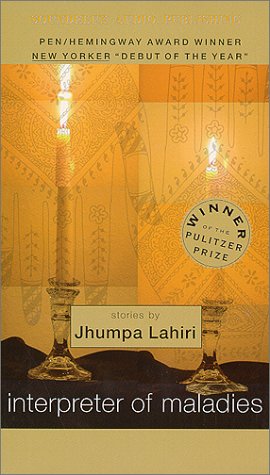
Quietly powerful stories of Indian and Indian American lives. Subtle and touching.
Best for: the Pulitzer winner.
2. Unaccustomed Earth by Jhumpa Lahiri
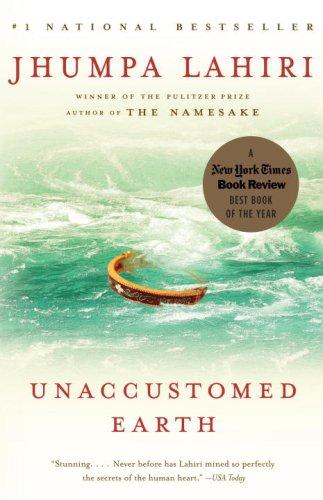
Stories about Bengali Americans and their families. Warm and observant.
Best for: second-generation stories.
3. The Lowland by Jhumpa Lahiri
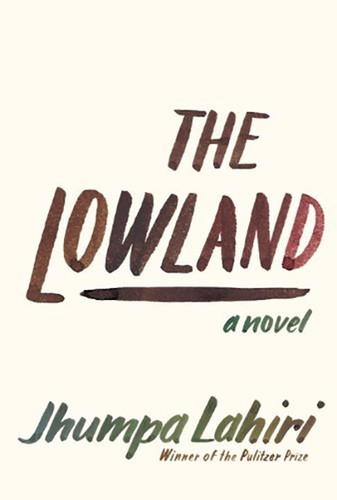
Two brothers take different paths in India and America. Quiet and tragic.
Best for: brothers and politics.
4. The Inheritance of Loss by Kiran Desai
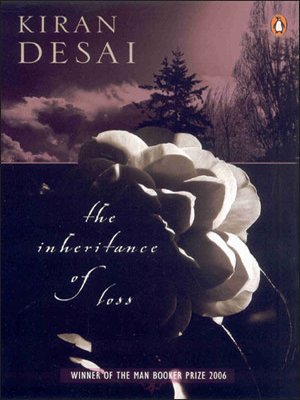
A retired judge, his granddaughter and the cook live in the Himalayas. Won the Booker Prize.
Best for: global stories.
5. Brooklyn by Colm Toibin
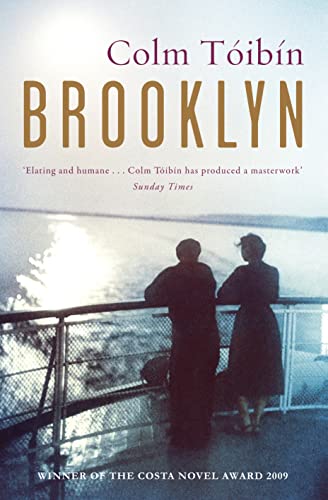
An Irish girl moves to 1950s Brooklyn and has to choose between worlds. Gentle and moving.
Best for: quiet emigration.
6. Homegoing by Yaa Gyasi
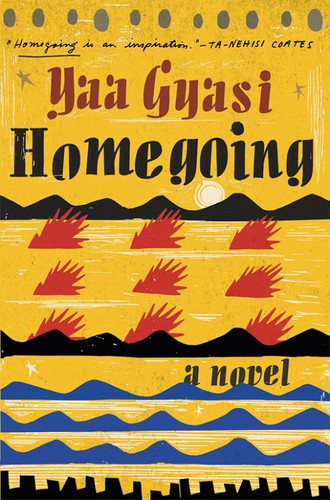
Two half-sisters' descendants live different lives in Ghana and America. Powerful and ambitious.
Best for: generations apart.
7. Americanah by Chimamanda Ngozi Adichie
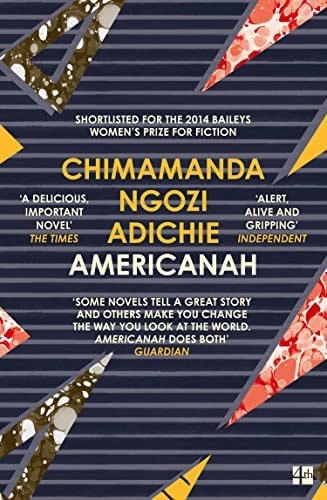
A Nigerian woman moves to the US and experiences race. Wide-ranging and witty.
Best for: love and race.
8. The God of Small Things by Arundhati Roy
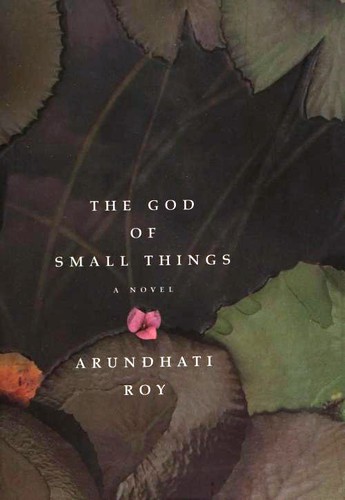
Twins in Kerala live through a family tragedy. Beautiful and dense.
Best for: lush literary fiction.
9. The Joy Luck Club by Amy Tan
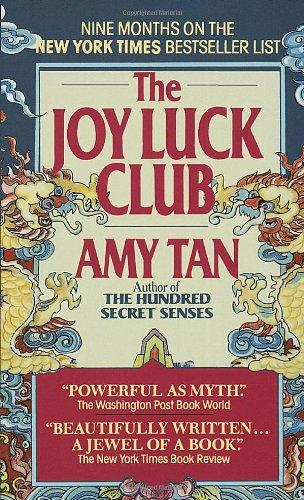
Four immigrant mothers and their daughters share linked stories. Emotional and layered.
Best for: mothers and daughters.
10. Behold the Dreamers by Imbolo Mbue
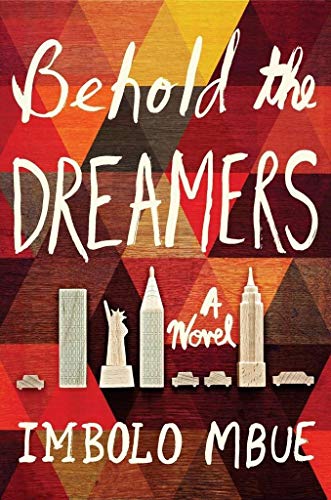
A Cameroonian family in New York faces the 2008 financial crisis. Warm and honest.
Best for: immigrant dreams.
11. A Fine Balance by Rohinton Mistry
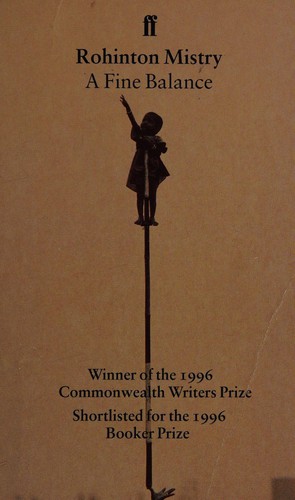
Four strangers share a home in 1970s India. Long and heartbreaking.
Best for: epic of ordinary lives.
12. Everything I Never Told You by Celeste Ng

A Chinese American family tries to understand the death of their daughter. Quiet and heartbreaking.
Best for: family secrets.
13. The Kite Runner by Khaled Hosseini
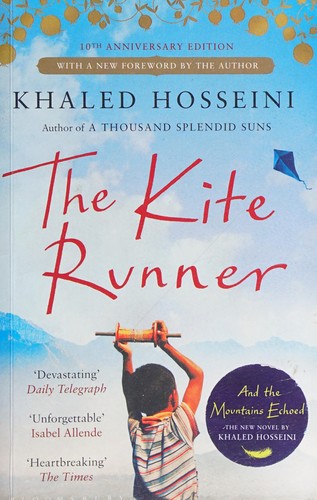
Two boys in Kabul are separated by betrayal. Emotional and widely read.
Best for: friendship and guilt.
14. Pachinko by Min Jin Lee
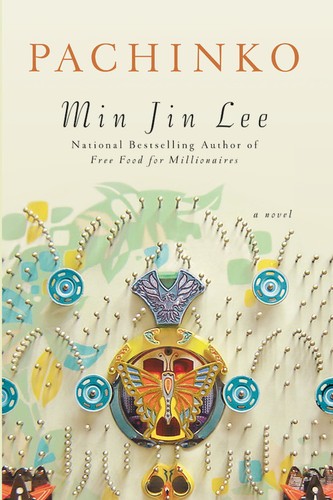
A Korean family lives in Japan across four generations. Sweeping and deeply felt.
Best for: epic family saga.
15. A Suitable Boy by Vikram Seth
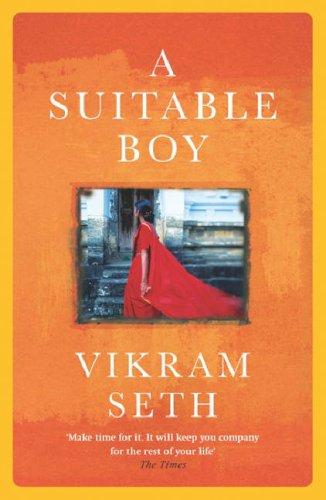
A mother searches for a husband for her daughter in post-independence India. Very long and rewarding.
Best for: big family saga.
How to Choose
For more Lahiri begin with Interpreter of Maladies. For immigrant family stories choose Brooklyn, Behold the Dreamers or Americanah. For sweeping sagas pick Homegoing or Pachinko. For Indian family novels read The God of Small Things or A Fine Balance. The Namesake is quiet and gentle, so these picks suit readers who enjoy detail and reflection. Lahiri now writes largely in Italian and has translated her own work, a fact that adds another layer to her interest in language and belonging. The Namesake was adapted into a 2006 film directed by Mira Nair. Reading The Namesake alongside Lahiri's stories shows how her themes of identity and belonging return in different forms. Readers who liked the family detail may enjoy reading about the history of Bengali migration. Audiobooks of Lahiri are quiet and well paced.
Related: 15 Books Like Wings of Fire Kids Will Love: Dragons, Quests and Animal Adventures · 12 Dystopian Books Like the Hunger Games | Best Books to Read Like Hunger Games
Frequently Asked Questions
What is The Namesake about?
Gogol Ganguli grows up between Bengali tradition and American life and struggles with his unusual name.
Who wrote it?
Jhumpa Lahiri.
When was it published?
2003.
Is there a film?
Yes, a 2006 film directed by Mira Nair.
Why is he called Gogol?
His father names him after the Russian writer Nikolai Gogol, who has personal meaning to him.
Is it a sad book?
It has sad moments but is mostly reflective.
Is it hard to read?
No, the prose is plain and clear.
What should I read next?
Try Interpreter of Maladies.
Does the book include the Bengali naming tradition?
Yes, it explains the difference between a daknam, or pet name, and a bhalonam, or good name.
Is The Namesake a good book club pick?
Yes, it generates discussion about names, identity and family expectations.
Which book here is best for global stories?
Try The Inheritance of Loss by Kiran Desai, which suits readers looking for global stories.