

Disclosure: As an Amazon Associate, Bookish Wisdom earns from qualifying purchases. This doesn't change our picks or your price.
Quick answer: If you loved The Richest Man in Babylon, read The Psychology of Money, Rich Dad Poor Dad, The Millionaire Next Door and I Will Teach You to Be Rich. All offer plain-spoken advice about saving, investing and building wealth over time.
George S. Clason's 1926 collection of parables set in ancient Babylon teaches simple money rules, such as paying yourself first. The books below carry those ideas into modern life, with budgeting, investing and mindset. All are nonfiction, and all are real, in-print books. This is general education, not financial advice for your situation.
Table of Contents
Quick Picks at a Glance
| Book | Author | Ages | Best For |
|---|---|---|---|
| The Psychology of Money | Morgan Housel | Adult | the best modern companion |
| Rich Dad Poor Dad | Robert T. Kiyosaki | Adult | mindset starter |
| The Millionaire Next Door | Thomas J. Stanley and William D. Danko | Adult | frugal habits |
| I Will Teach You to Be Rich | Ramit Sethi | Adult | step-by-step plan |
| The Simple Path to Wealth | JL Collins | Adult | index investing |
| The Little Book of Common Sense Investing | John C. Bogle | Adult | low-cost investing |
| The Intelligent Investor | Benjamin Graham | Adult | serious investors |
| A Random Walk Down Wall Street | Burton G. Malkiel | Adult | investing basics |
| Think and Grow Rich | Napoleon Hill | Adult | motivation |
| Your Money or Your Life | Vicki Robin and Joe Dominguez | Adult | life energy |
| The Total Money Makeover | Dave Ramsey | Adult | getting out of debt |
| Set for Life | Scott Trench | Adult | young earners |
| The Bogleheads' Guide to Investing | Taylor Larimore and others | Adult | long-term investors |
| The Automatic Millionaire | David Bach | Adult | set-and-forget savers |
| Money: Master the Game | Tony Robbins | Adult | big-picture planning |
1. The Psychology of Money by Morgan Housel
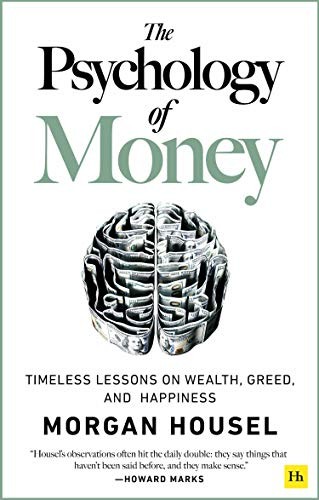
Short stories show that behavior matters more than intelligence when it comes to money. Clear, wise and easy to finish in a weekend.
Best for: the best modern companion.
2. Rich Dad Poor Dad by Robert T. Kiyosaki
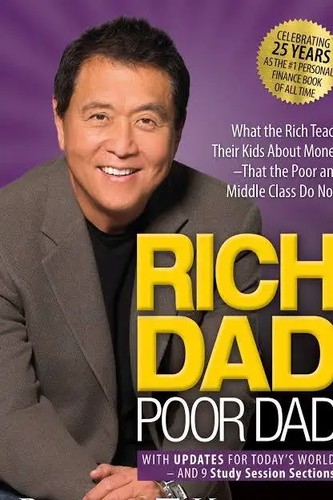
A popular book about assets, liabilities and thinking like an investor. Its advice is debated, but it started many readers on the topic.
Best for: mindset starter.
3. The Millionaire Next Door by Thomas J. Stanley and William D. Danko
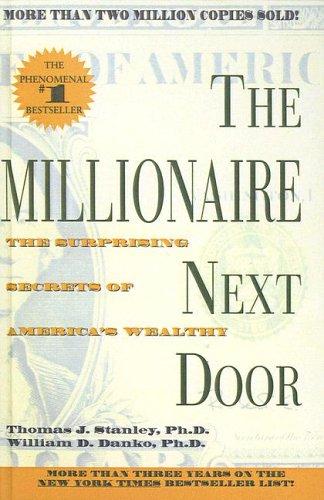
Research on ordinary people who built wealth by spending less than they earned. Practical and evidence-based.
Best for: frugal habits.
4. I Will Teach You to Be Rich by Ramit Sethi
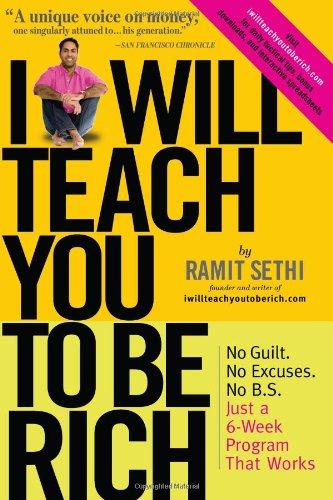
A six-week plan to automate savings, investing and spending. Direct, funny and modern.
Best for: step-by-step plan.
5. The Simple Path to Wealth by JL Collins
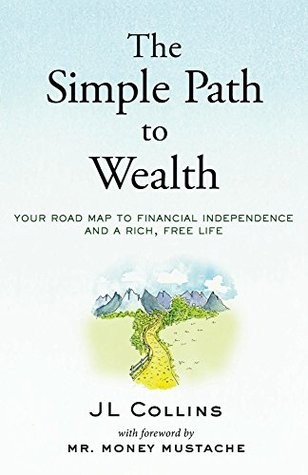
Argues for low-cost index funds and a long-term view. Friendly and clear.
Best for: index investing.
6. The Little Book of Common Sense Investing by John C. Bogle

The founder of Vanguard explains why simple index funds usually win. Short and trustworthy.
Best for: low-cost investing.
7. The Intelligent Investor by Benjamin Graham
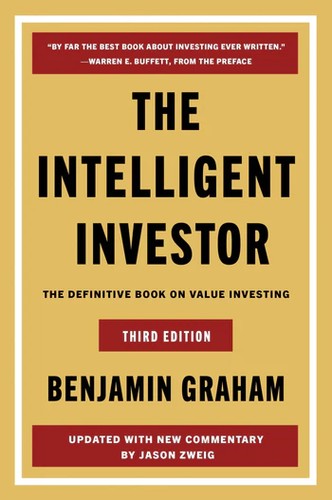
The classic book on value investing and emotional discipline. Dense but influential.
Best for: serious investors.
8. A Random Walk Down Wall Street by Burton G. Malkiel
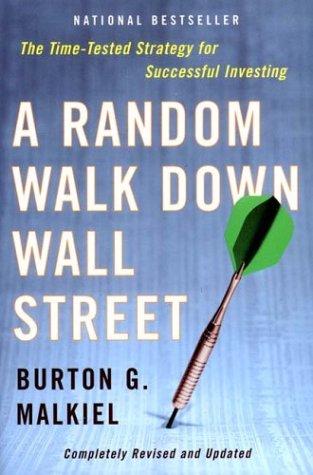
Explains why markets are hard to beat and how to invest sensibly. Thorough and readable.
Best for: investing basics.
9. Think and Grow Rich by Napoleon Hill
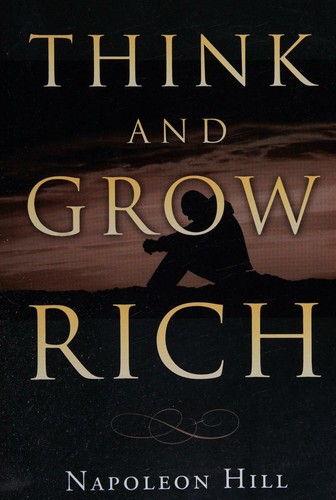
A 1937 success classic on desire and persistence. Motivational but vague, so read it as inspiration.
Best for: motivation.
10. Your Money or Your Life by Vicki Robin and Joe Dominguez
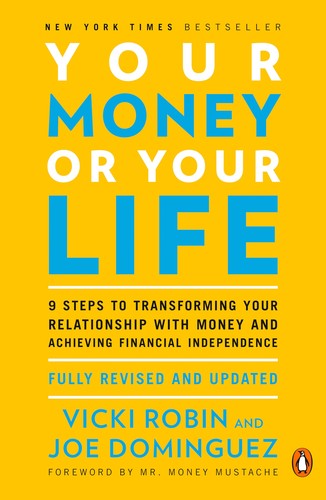
Links money to the time you trade for it and offers a path to financial independence. Thoughtful and practical.
Best for: life energy.
11. The Total Money Makeover by Dave Ramsey

A budgeting and debt-payoff plan with a clear step system. Popular and motivating.
Best for: getting out of debt.
12. Set for Life by Scott Trench
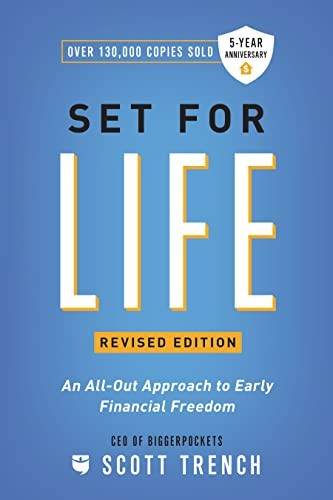
A plan for building wealth by saving, house hacking and investing. Aimed at younger readers.
Best for: young earners.
13. The Bogleheads' Guide to Investing by Taylor Larimore and others
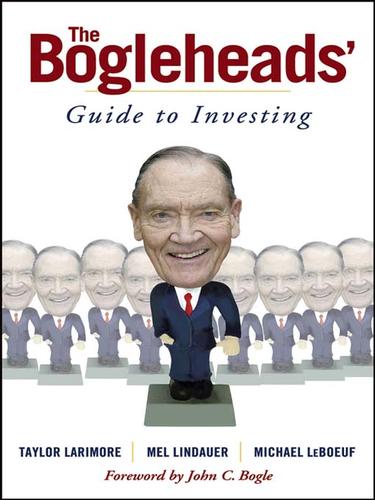
A guide based on the principles of low-cost, diversified investing. Practical and sober.
Best for: long-term investors.
14. The Automatic Millionaire by David Bach
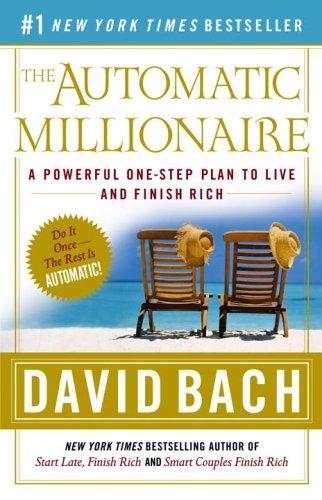
Shows how automatic saving can build wealth with little effort. Short and simple.
Best for: set-and-forget savers.
15. Money: Master the Game by Tony Robbins
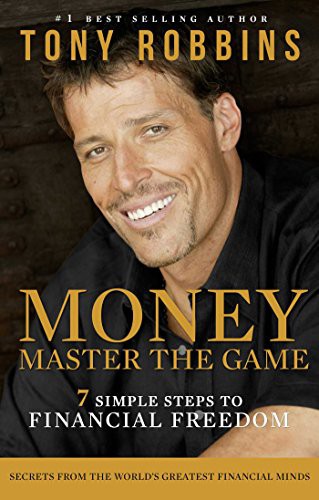
Interviews with investors and simple steps for building a plan. Long and energetic.
Best for: big-picture planning.
How to Choose
For stories, start with The Psychology of Money. For a practical plan, I Will Teach You to Be Rich or The Simple Path to Wealth. For debt, The Total Money Makeover. For research, The Millionaire Next Door. Whatever you read, apply one idea this month, such as automating a small savings transfer. Money books work best when you act. Open a savings account, set up an automatic transfer and track your spending for one month. The habit matters far more than the book you pick. Libraries often stock the classics for free.
Related: The Richest Man in Babylon by George S. Clason: Summary and Key Takeaways · 15 Books Like A Man Called Ove You’ll Love: Grumpy, Funny and Full of Heart
Frequently Asked Questions
What is The Richest Man in Babylon about?
It uses parables about a rich Babylonian named Arkad to teach rules like save a tenth of your income and invest wisely.
Is it still relevant?
Yes. Its basic rules on saving, avoiding debt and protecting your capital still hold.
How long is it?
It is short, about 150 pages, and takes a few hours.
Is the book financial advice?
No. It is general education, so consult a qualified adviser for your own situation.
What should I read after it?
The Psychology of Money is the best modern follow-up.
Who was George S. Clason?
An American author and publisher of road maps who wrote a series of financial pamphlets in the 1920s that became this book.
What is the first rule of the book?
Pay yourself first by keeping at least a tenth of what you earn.