
Disclosure: As an Amazon Associate, Bookish Wisdom earns from qualifying purchases. This doesn't change our picks or your price.
Quick answer: If you loved Umberto Eco, read Umberto Eco's The Name of the Rose, then C.J. Sansom's Dissolution, then Dan Brown's The Da Vinci Code and Angels & Demons, and Kate Mosse's Labyrinth and William Dietrich's The Rosetta Key. All are intellectual mysteries.
Umberto Eco (1932–2016) wrote The Name of the Rose and Foucault's Pendulum. These picks share his learning.
Table of Contents
Quick Picks at a Glance
| Book | Author | Ages | Best For |
|---|---|---|---|
| The Name of the Rose | Umberto Eco | Adult | readers who love libraries |
| Dissolution | C.J. Sansom | Adult | Tudor mysteries |
| The Da Vinci Code | Dan Brown | Adult | puzzle thrillers |
| Angels & Demons | Dan Brown | Adult | city chases |
| Labyrinth | Kate Mosse | Adult | dual-timeline history |
| The Rosetta Key | William Dietrich | Adult | historical adventure |
| The Templar Legacy | Steve Berry | Adult | historical mysteries |
| The Alienist | Caleb Carr | Adult | readers who like historical thrillers |
| The Daughter of Time | Josephine Tey | Adult | armchair detection |
| Wolf Hall | Hilary Mantel | Adult | readers who like court intrigue |
| Piranesi | Susanna Clarke | Adult | readers who like puzzles |
| House of Leaves | Mark Z. Danielewski | Adult | adventurous readers |
| Ficciones | Jorge Luis Borges | Adult | readers who like puzzles |
| Labyrinths | Jorge Luis Borges | Adult | readers who want a collection |
| Invisible Cities | Italo Calvino | Adult | readers who like short, strange books |
1. The Name of the Rose by Umberto Eco
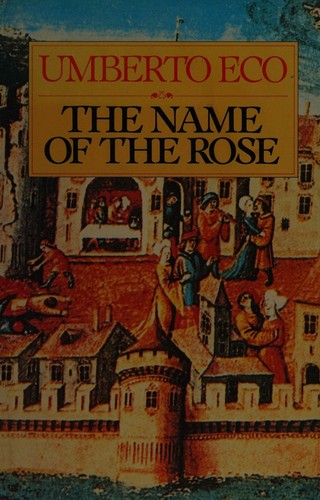
A monk investigates murders in a medieval abbey with a secret library. Rich and learned.
Best for: readers who love libraries.
2. Dissolution by C.J. Sansom
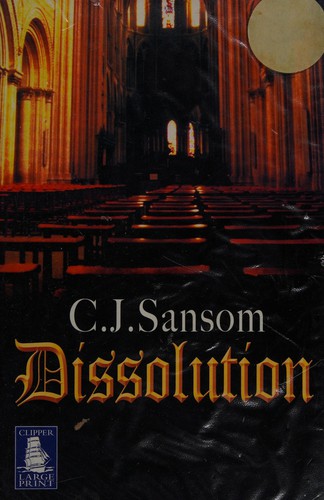
Lawyer Matthew Shardlake investigates a murder at a monastery in Tudor England. Rich historical atmosphere.
Best for: Tudor mysteries.
3. The Da Vinci Code by Dan Brown
A symbologist races across Europe to solve a murder and a secret. Short chapters and cliffhangers.
Best for: puzzle thrillers.
4. Angels & Demons by Dan Brown
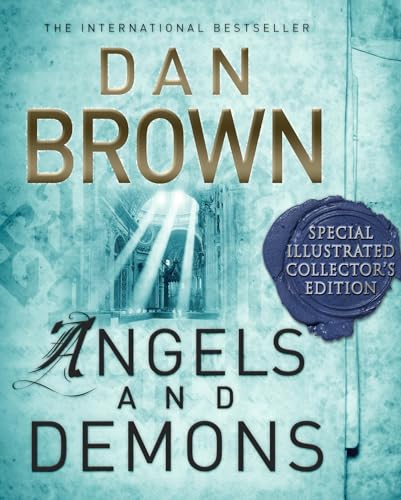
Robert Langdon hunts an ancient brotherhood in Rome. Fast and clever.
Best for: city chases.
5. Labyrinth by Kate Mosse
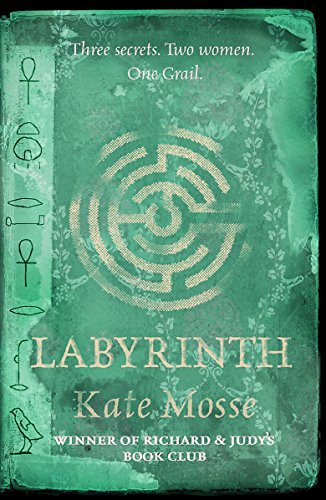
Two women, eight centuries apart, are linked by a secret in the caves of southern France. Historical adventure and mystery.
Best for: dual-timeline history.
6. The Rosetta Key by William Dietrich
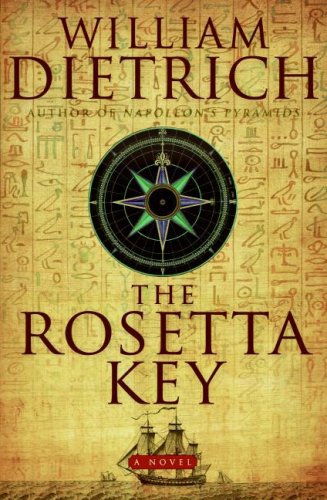
A French scientist and an American adventurer search for ancient secrets in Napoleon's Egypt. Swashbuckling.
Best for: historical adventure.
7. The Templar Legacy by Steve Berry
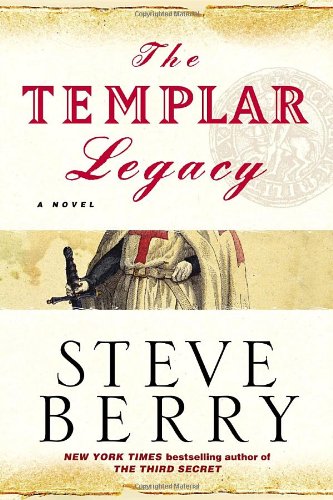
A former agent hunts a Templar treasure in France. Historical and fast.
Best for: historical mysteries.
8. The Alienist by Caleb Carr
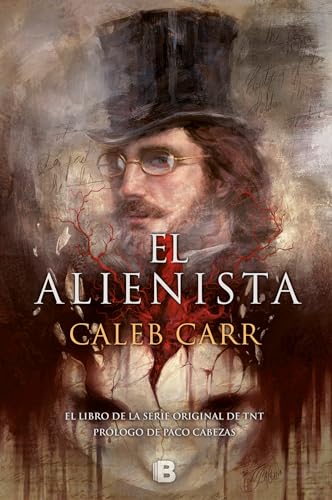
In 1896 New York, a psychologist, a reporter and an illustrator hunt a killer of boys. Historical and atmospheric.
Best for: readers who like historical thrillers.
9. The Daughter of Time by Josephine Tey
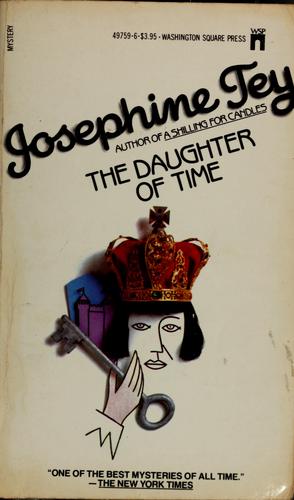
Inspector Grant, bedridden in hospital, investigates whether Richard III really murdered the princes in the Tower. A classic puzzle of history.
Best for: armchair detection.
10. Wolf Hall by Hilary Mantel
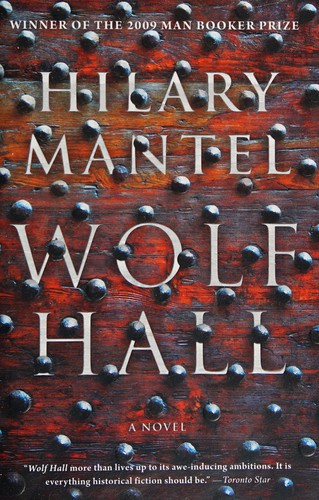
Thomas Cromwell rises in Henry VIII's court in this award-winning novel. Sharp, intimate and full of political danger.
Best for: readers who like court intrigue.
11. Piranesi by Susanna Clarke
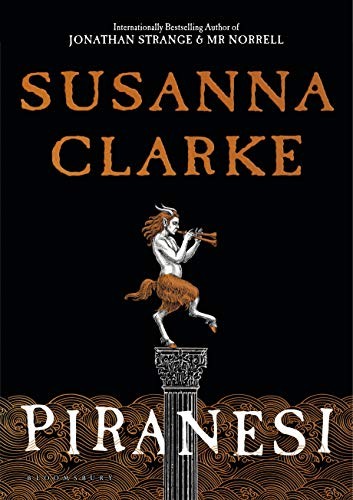
A man lives in a vast house of statues and tides and slowly learns the truth about his world. Strange, quiet and brilliant.
Best for: readers who like puzzles.
12. House of Leaves by Mark Z. Danielewski
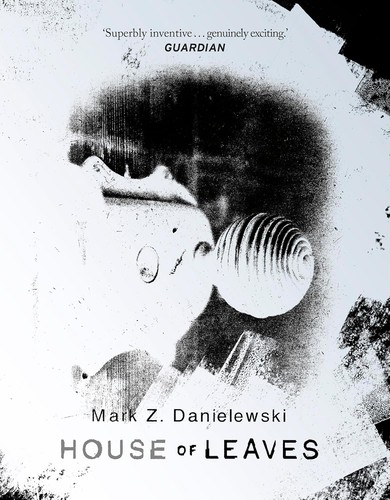
A house is bigger on the inside than the outside, and a text about it drives readers mad. Experimental and dense.
Best for: adventurous readers.
13. Ficciones by Jorge Luis Borges
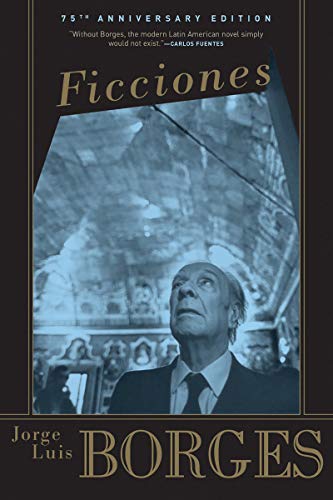
Short stories about labyrinths, libraries and impossible books. Dense, short and mind-bending.
Best for: readers who like puzzles.
14. Labyrinths by Jorge Luis Borges
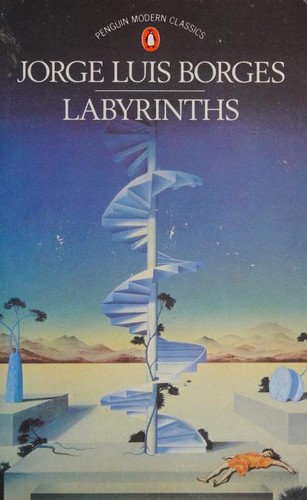
A selection of Borges's stories and essays, including “The Library of Babel.” A good sampler.
Best for: readers who want a collection.
15. Invisible Cities by Italo Calvino
Marco Polo describes imaginary cities to Kublai Khan. Short, lyrical and dreamlike.
Best for: readers who like short, strange books.
How We Chose These Books
Every pick is a real, widely available book that shares something specific with Umberto Eco: its tone, its themes, its pace or the kind of characters it puts at the center. We mixed well-known favorites with a few less obvious titles, and we noted who each book suits best so you can match it to the reader. Where a book belongs to a series, we list the first volume so you can start at the beginning.
If you are not sure where to begin, start with the first three picks in the table: they are the closest match to Umberto Eco. The rest of the list moves further out, so it works well once you know which part of the original you liked most.
How to Choose
For historical mystery, read Dissolution. For ideas, try The Da Vinci Code. For puzzles, pick The Historian.
Related: Wolf Hall by Hilary Mantel: Summary and Key Takeaways · House of Leaves by Mark Z. Danielewski: Summary and Key Takeaways
Frequently Asked Questions
Who was Umberto Eco?
An Italian writer and scholar (1932–2016).
What is his best-known book?
The Name of the Rose.
Where do I start?
With The Name of the Rose.
Which book here is best for readers who like short, strange books?
Try Invisible Cities by Italo Calvino, which suits readers looking for readers who like short, strange books.
Which book here is best for readers who want a collection?
Try Labyrinths by Jorge Luis Borges, which suits readers looking for readers who want a collection.
Which book here is best for readers who like puzzles?
Try Ficciones by Jorge Luis Borges, which suits readers looking for readers who like puzzles.
Which book here is best for adventurous readers?
Try House of Leaves by Mark Z. Danielewski, which suits readers looking for adventurous readers.
Which book here is best for readers who like puzzles?
Try Piranesi by Susanna Clarke, which suits readers looking for readers who like puzzles.