
Disclosure: As an Amazon Associate, Bookish Wisdom earns from qualifying purchases. This doesn't change our picks or your price.
Quick answer: If you liked Sam Harris's Waking Up, read his Free Will and The Moral Landscape, then try 10% Happier, Wherever You Go There You Are, Altered Traits and Why Buddhism Is True. All explore the mind, meditation and consciousness through a rational, science-minded lens.
In Waking Up, neuroscientist and author Sam Harris argues that spiritual experience and meditation can be understood without religion. The books below pair meditation practice with psychology and brain research. All are nonfiction, and all are real, in-print books.
Table of Contents
Quick Picks at a Glance
| Book | Author | Ages | Best For |
|---|---|---|---|
| Free Will | Sam Harris | Adult | more Harris |
| The Moral Landscape | Sam Harris | Adult | science and ethics |
| 10% Happier | Dan Harris | Adult | skeptical beginners |
| Wherever You Go, There You Are | Jon Kabat-Zinn | Adult | everyday mindfulness |
| Altered Traits | Daniel Goleman and Richard J. Davidson | Adult | meditation research |
| Why Buddhism Is True | Robert Wright | Adult | psychology and meditation |
| The Happiness Hypothesis | Jonathan Haidt | Adult | ideas on happiness |
| Consciousness Explained | Daniel C. Dennett | Adult | philosophy of mind |
| Being You | Anil Seth | Adult | consciousness science |
| How to Change Your Mind | Michael Pollan | Adult | altered states |
| Flow | Mihaly Csikszentmihalyi | Adult | focus and joy |
| Stumbling on Happiness | Daniel Gilbert | Adult | psychology of choice |
| Meditations | Marcus Aurelius | Adult | ancient practice |
| Man's Search for Meaning | Viktor E. Frankl | Adult | meaning and resilience |
| I Am a Strange Loop | Douglas Hofstadter | Adult | the nature of self |
1. Free Will by Sam Harris
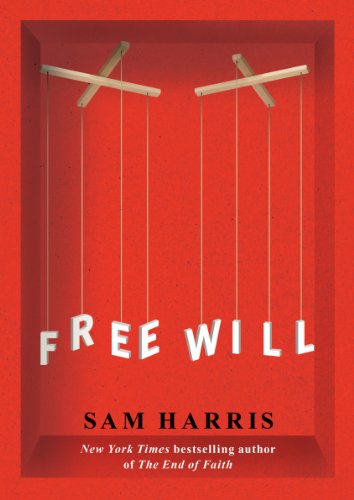
A short book that argues free will is an illusion and explains what follows. Compact and provocative, about 90 pages.
Best for: more Harris.
2. The Moral Landscape by Sam Harris
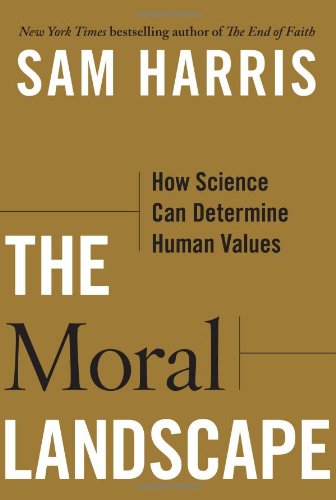
Argues that science can help determine human values. Controversial, clear and widely discussed.
Best for: science and ethics.
3. 10% Happier by Dan Harris
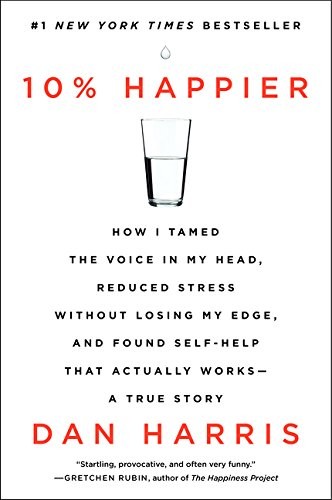
A news anchor who had a panic attack on air discovers meditation. Funny, honest and very accessible.
Best for: skeptical beginners.
4. Wherever You Go, There You Are by Jon Kabat-Zinn
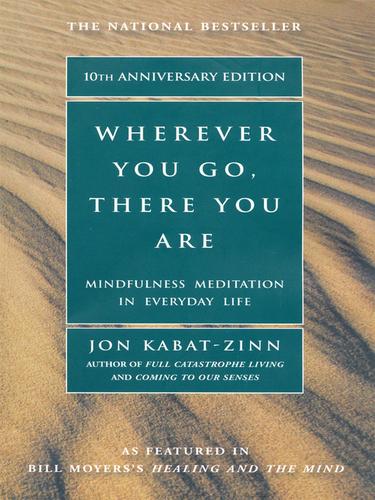
The founder of mindfulness-based stress reduction explains everyday practice. Short chapters and simple advice.
Best for: everyday mindfulness.
5. Altered Traits by Daniel Goleman and Richard J. Davidson
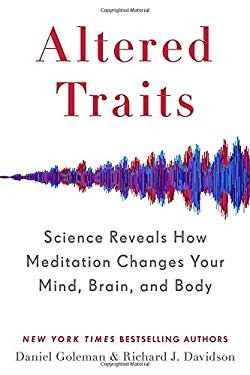
Two scientists review what research shows about meditation's effects. Careful and balanced.
Best for: meditation research.
6. Why Buddhism Is True by Robert Wright
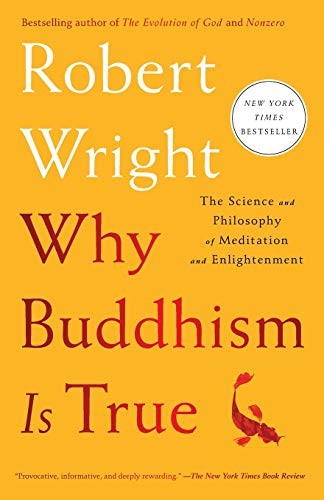
A journalist argues that meditation and ancient ideas fit modern psychology. Readable and curious.
Best for: psychology and meditation.
7. The Happiness Hypothesis by Jonathan Haidt
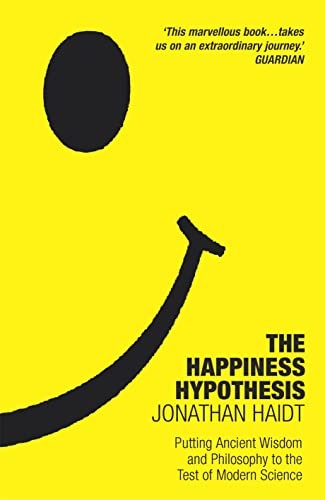
Tests ancient wisdom against modern psychology. Clear, wise and well organized.
Best for: ideas on happiness.
8. Consciousness Explained by Daniel C. Dennett
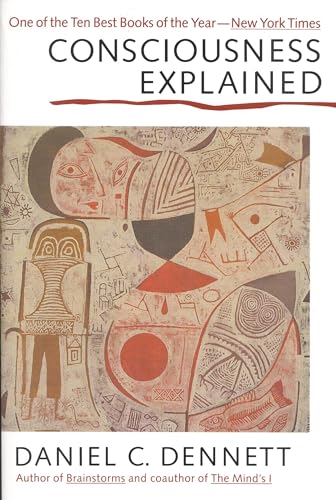
A philosopher argues that consciousness is a product of the brain's processes. Dense but famous.
Best for: philosophy of mind.
9. Being You by Anil Seth
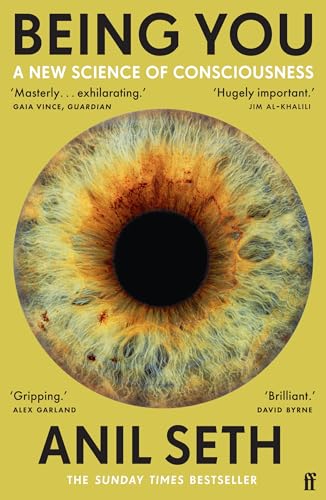
A neuroscientist describes consciousness as a controlled hallucination. Modern and engaging.
Best for: consciousness science.
10. How to Change Your Mind by Michael Pollan
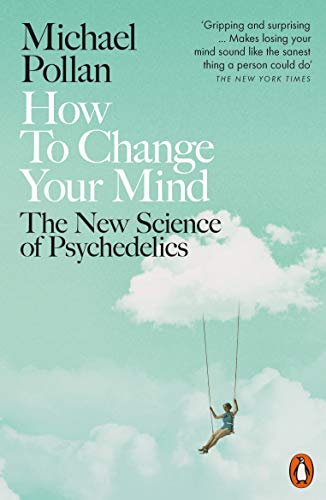
Explores the history and science of psychedelic drugs and their potential. Curious and cautious.
Best for: altered states.
11. Flow by Mihaly Csikszentmihalyi
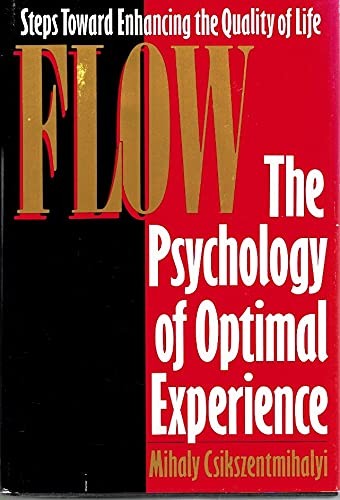
The classic study of deep absorption and happiness. Dense but rewarding.
Best for: focus and joy.
12. Stumbling on Happiness by Daniel Gilbert
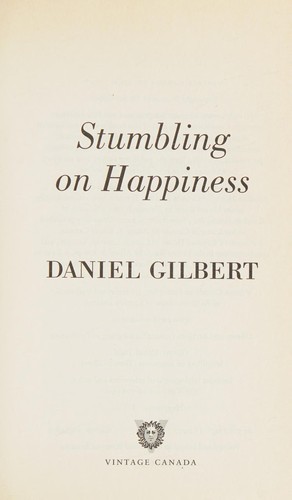
Shows why people mispredict what will make them happy. Witty and well researched.
Best for: psychology of choice.
13. Meditations by Marcus Aurelius
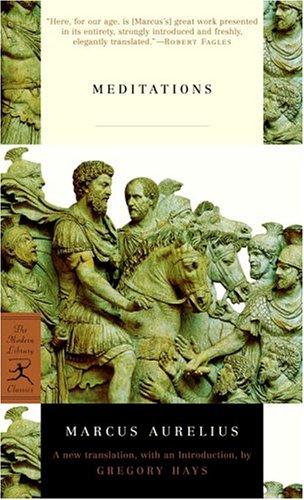
The private notes of a Roman emperor on how to live. Short, calm and timeless.
Best for: ancient practice.
14. Man's Search for Meaning by Viktor E. Frankl
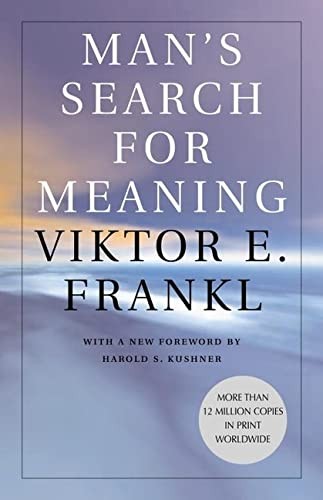
A psychiatrist describes life in concentration camps and the search for purpose. Short and powerful.
Best for: meaning and resilience.
15. I Am a Strange Loop by Douglas Hofstadter
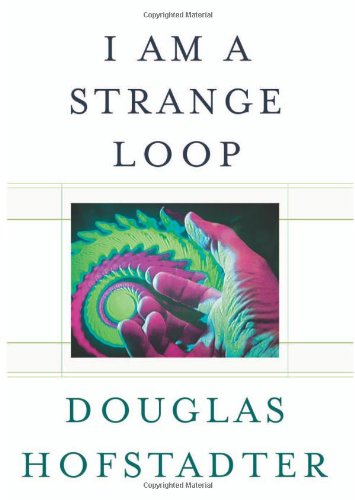
Argues that the self is a pattern of self-reference in the brain. Playful and deep.
Best for: the nature of self.
How to Choose
If you want a gentle start to meditation, read 10% Happier or Wherever You Go, There You Are. For science, Altered Traits and Being You. For philosophy, Free Will and Consciousness Explained. For a human story, Man's Search for Meaning. The best test is to try a few minutes of practice as you read. Meditation and consciousness books work best with practice. Try ten minutes of quiet attention each day while you read, and note what you notice. Many readers also like to join local groups or use library audiobooks to explore different teachers without spending much.
Related: 15 Books Like Wings of Fire Kids Will Love: Dragons, Quests and Animal Adventures · 12 Dystopian Books Like the Hunger Games | Best Books to Read Like Hunger Games
Frequently Asked Questions
What is Waking Up about?
It argues that meditation can reveal the nature of the mind and that spirituality does not need religious belief.
Is Waking Up a meditation guide?
Partly. It includes ideas and some practical advice, and Harris also created a meditation app.
Is the book controversial?
Some critics dislike Harris's views on religion and free will, but many value his clarity.
Who is Sam Harris?
An American author and neuroscientist who hosts the Making Sense podcast.
Is it a good first book on meditation?
10% Happier may be easier, while Waking Up is more philosophical.
Is Waking Up religious?
No. Harris argues that you can explore meditation and consciousness without religious belief.
Does the book have an audiobook?
Yes. Harris narrates it himself, which suits the subject.
Is it suitable for beginners?
Yes, but the argument is philosophical, so some prefer a simpler introduction first.
What if I cannot meditate?
Start with short sessions and a guided app or book. Many people find that regular practice helps.
Are there other mindfulness books without religion?
Yes. 10% Happier, Altered Traits and Wherever You Go, There You Are all focus on practice and evidence.