

Disclosure: As an Amazon Associate, Bookish Wisdom earns from qualifying purchases. This doesn't change our picks or your price.
Quick answer: If you loved Xenocide, read Orson Scott Card's Speaker for the Dead, Ender's Game and The Abyss, then Ursula K. Le Guin's The Left Hand of Darkness and The Dispossessed, then Isaac Asimov's Foundation, and Arthur C. Clarke's Rendezvous with Rama and Childhood's End and Iain M. Banks's Consider Phlebas and The Player of Games. All are philosophical space science fiction.
Orson Scott Card's Xenocide (1991) is the third book in the Ender saga. These picks share its ideas.
Table of Contents
Quick Picks at a Glance
| Book | Author | Ages | Best For |
|---|---|---|---|
| Speaker for the Dead | Orson Scott Card | Adult | alien contact |
| Ender's Game | Orson Scott Card | Adult | sci-fi fans |
| The Left Hand of Darkness | Ursula K. Le Guin | Adult | readers who want depth |
| Foundation | Isaac Asimov | Adult | readers who want a grand scale |
| Rendezvous with Rama | Arthur C. Clarke | Adult | readers who like exploration |
| Childhood's End | Arthur C. Clarke | Adult | readers who like big ideas |
| Consider Phlebas | Iain M. Banks | Adult | Culture start |
| The Player of Games | Iain M. Banks | Adult | game and empire |
| The Dispossessed | Ursula K. Le Guin | Adult | readers who like ideas about society |
| Dauntless | Jack Campbell | Adult | space fleet strategy |
| The Three-Body Problem | Liu Cixin | Adult | readers who like hard science fiction |
| Red Rising | Pierce Brown | 15+ | older teens who like sci-fi epics |
| Leviathan Wakes | James S.A. Corey | Adult | space politics |
| Babel-17 | Samuel R. Delany | Adult | language and war |
| The Abyss | Orson Scott Card | Adult | undersea thriller |
1. Speaker for the Dead by Orson Scott Card
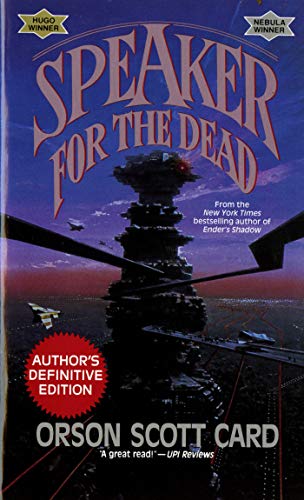
Years after Ender's Game, a man tries to understand a new alien species. More philosophical than its predecessor.
Best for: alien contact.
2. Ender's Game by Orson Scott Card
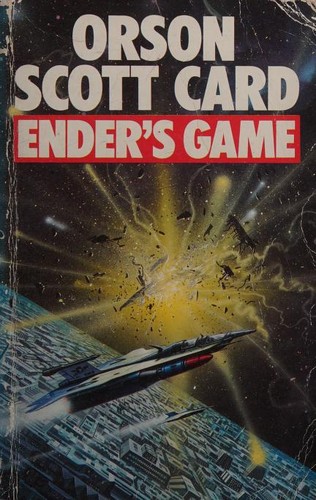
Ender Wiggin is recruited to a battle school in space. A classic of young genius and manipulation.
Best for: sci-fi fans.
3. The Left Hand of Darkness by Ursula K. Le Guin
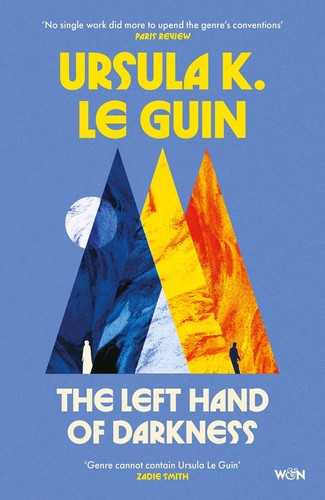
An envoy visits a world where people have no fixed gender. A classic of social science fiction.
Best for: readers who want depth.
4. Foundation by Isaac Asimov

Hari Seldon predicts the fall of a galactic empire and sets up a plan to shorten the dark age. A landmark of big-idea sci-fi.
Best for: readers who want a grand scale.
5. Rendezvous with Rama by Arthur C. Clarke
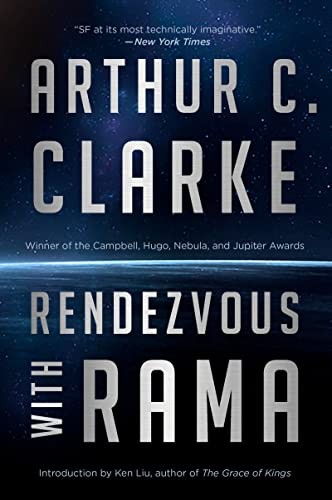
Humans explore a mysterious alien spacecraft. Hard science and mystery.
Best for: readers who like exploration.
6. Childhood's End by Arthur C. Clarke
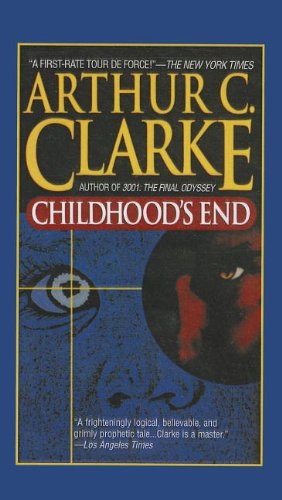
Alien Overlords arrive and end war, but at a price. Thoughtful and eerie.
Best for: readers who like big ideas.
7. Consider Phlebas by Iain M. Banks
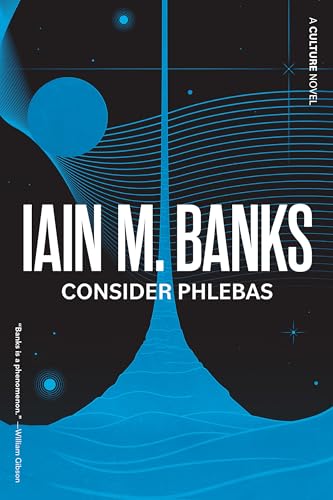
A mercenary takes part in a war between the Culture and the Idirans. Wide-ranging and witty.
Best for: Culture start.
8. The Player of Games by Iain M. Banks
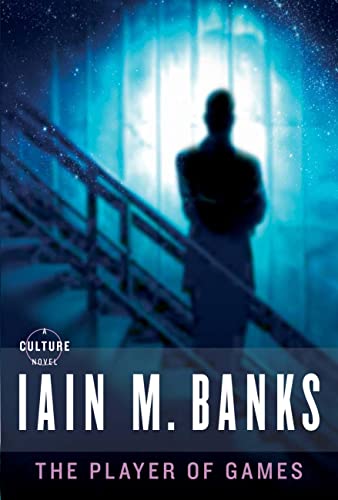
A master gamer is sent to play a game that decides an empire. Often the best entry in the Culture.
Best for: game and empire.
9. The Dispossessed by Ursula K. Le Guin
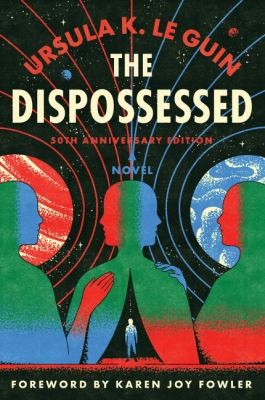
A physicist travels between a utopian anarchist moon and its wealthy neighbor. Political and thoughtful.
Best for: readers who like ideas about society.
10. Dauntless by Jack Campbell
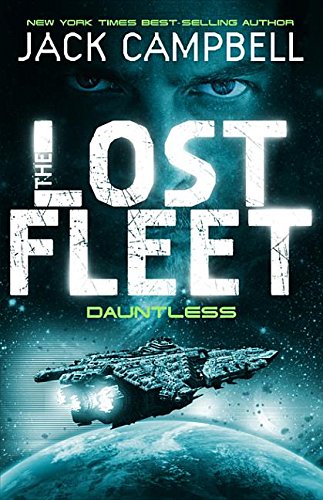
Captain John Geary wakes after a century in survival sleep to lead a fleet home through enemy territory. The first Lost Fleet novel is strategic and fast.
Best for: space fleet strategy.
11. The Three-Body Problem by Liu Cixin
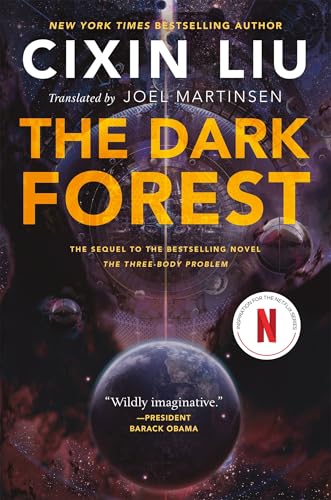
A secret in China's past leads to contact with an alien civilization. Big ideas and hard science.
Best for: readers who like hard science fiction.
12. Red Rising by Pierce Brown
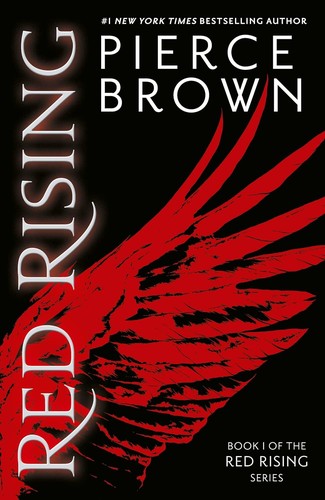
Darrow, a miner on Mars, infiltrates the ruling class to overthrow it. It is violent and mature, but fast and gripping.
Best for: older teens who like sci-fi epics.
13. Leviathan Wakes by James S.A. Corey
A detective and a ship's officer uncover a conspiracy across the solar system. First of The Expanse.
Best for: space politics.
14. Babel-17 by Samuel R. Delany
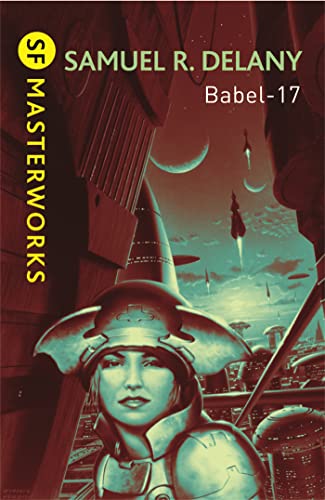
A poet decodes an enemy language. Fast and daring.
Best for: language and war.
15. The Abyss by Orson Scott Card
A drilling crew finds an alien presence at the bottom of the ocean. Tense and wondrous.
Best for: undersea thriller.
How We Chose These Books
Every pick is a real, widely available book that shares something specific with Xenocide: its tone, its themes, its pace or the kind of characters it puts at the center. We mixed well-known favorites with a few less obvious titles, and we noted who each book suits best so you can match it to the reader. Where a book belongs to a series, we list the first volume so you can start at the beginning.
If you are not sure where to begin, start with the first three picks in the table: they are the closest match to Xenocide. The rest of the list moves further out, so it works well once you know which part of the original you liked most.
How to Choose
For Ender, read Speaker for the Dead. For ideas, try The Left Hand of Darkness. For space, pick Foundation.
Frequently Asked Questions
Who wrote Xenocide?
Orson Scott Card, in 1991.
Is it part of a series?
Yes, the Ender saga.
Should I read the earlier books?
Yes, start with Ender's Game.
Which book here is best for undersea thriller?
Try The Abyss by Orson Scott Card, which suits readers looking for undersea thriller.
Which book here is best for language and war?
Try Babel-17 by Samuel R. Delany, which suits readers looking for language and war.
Which book here is best for space politics?
Try Leviathan Wakes by James S.A. Corey, which suits readers looking for space politics.