
Disclosure: As an Amazon Associate, Bookish Wisdom earns from qualifying purchases. This doesn't change our picks or your price.
Quick answer: If you loved The Omnivore's Dilemma, read Paul Greenberg's Four Fish, then Daniel Chamovitz's What a Plant Knows, then Jonathan Safran Foer's Eating Animals, and Rachel Carson's Silent Spring and The Sea Around Us and Jared Diamond's Collapse and Guns, Germs, and Steel. All are thoughtful books about food.
Michael Pollan's The Omnivore's Dilemma (2006) follows our food from field to plate. These picks share its curiosity.
Table of Contents
Quick Picks at a Glance
| Book | Author | Ages | Best For |
|---|---|---|---|
| Four Fish | Paul Greenberg | Adult | food and ocean |
| What a Plant Knows | Daniel Chamovitz | Adult | readers who want a quick introduction |
| Eating Animals | Jonathan Safran Foer | Adult | factory farming |
| Silent Spring | Rachel Carson | Adult | environmental classics |
| Collapse | Jared Diamond | Adult | societies and nature |
| Guns, Germs, and Steel | Jared Diamond | Adult | geography and history |
| The Sea Around Us | Rachel Carson | Adult | readers who want the real deep |
| A Short History of Nearly Everything | Bill Bryson | Adult | popular science |
| Eat a Peach | David Chang | Adult | chef memoirs |
| My Life in France | Julia Child | Adult | food memoir |
| Smoke Gets in Your Eyes | Caitlin Doughty | Adult | the closest memoir |
| Frogs | Nic Bishop | Ages 6-10 | close-up photography |
| Crow Country | Mark Cocker | Adult | bird lovers |
| The Genius of Birds | Jennifer Ackerman | Adult | bird intelligence |
| Freakonomics | Steven D. Levitt and Stephen J. Dubner | Adult | curious readers |
1. Four Fish by Paul Greenberg
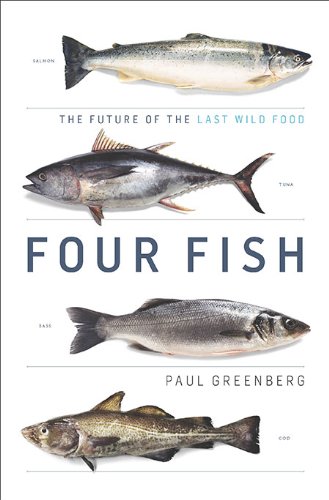
A look at how salmon, sea bass, cod and tuna shape our diets and oceans. Clear and persuasive.
Best for: food and ocean.
2. What a Plant Knows by Daniel Chamovitz
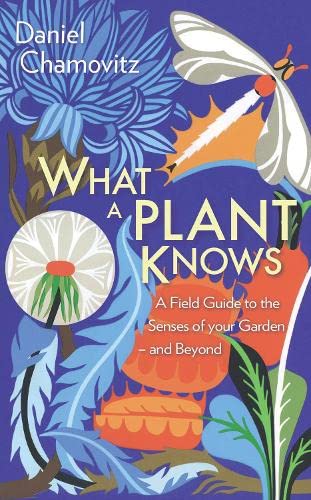
A short book about how plants see, smell and feel. Clear and surprising.
Best for: readers who want a quick introduction.
3. Eating Animals by Jonathan Safran Foer
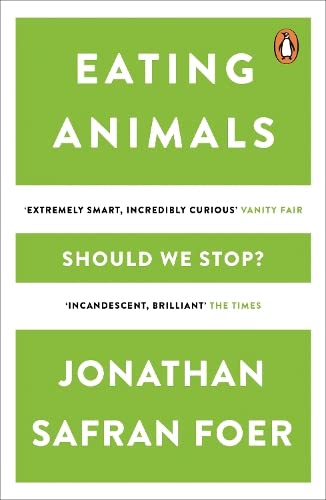
Foer investigates how animals are raised for food. Personal and challenging.
Best for: factory farming.
4. Silent Spring by Rachel Carson
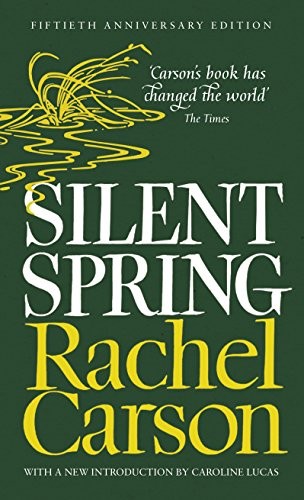
The 1962 book that exposed the dangers of pesticides. Clear, elegant and still important.
Best for: environmental classics.
5. Collapse by Jared Diamond
Diamond examines why societies fail or succeed in their environments. Wide-ranging and thought provoking.
Best for: societies and nature.
6. Guns, Germs, and Steel by Jared Diamond
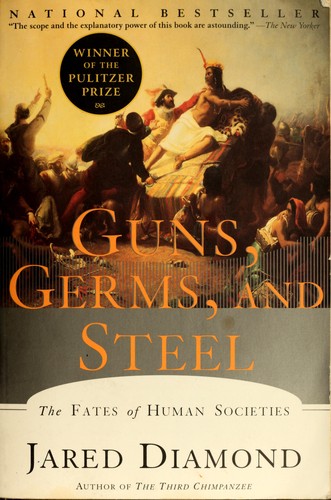
Diamond argues that geography shaped the rise of societies. Controversial but influential.
Best for: geography and history.
7. The Sea Around Us by Rachel Carson
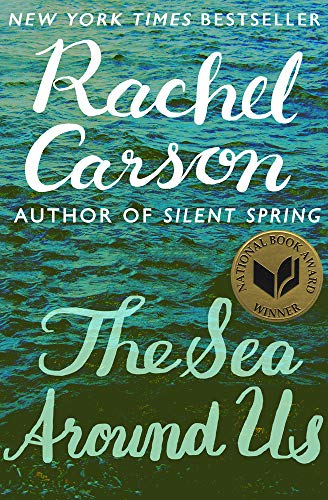
A classic of nature writing about the ocean, its life and its mysteries. Poetic and inspiring.
Best for: readers who want the real deep.
8. A Short History of Nearly Everything by Bill Bryson

A lively tour through science, from the Big Bang to bacteria. Informative and humorous.
Best for: popular science.
9. Eat a Peach by David Chang
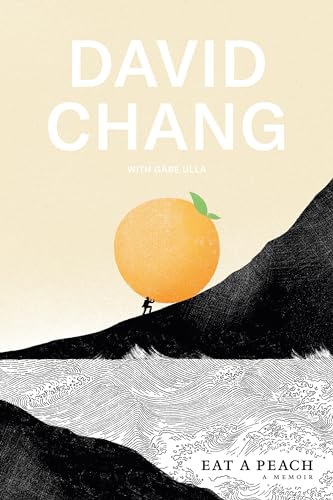
The chef behind Momofuku describes his rise and his struggles with depression. Frank and funny.
Best for: chef memoirs.
10. My Life in France by Julia Child
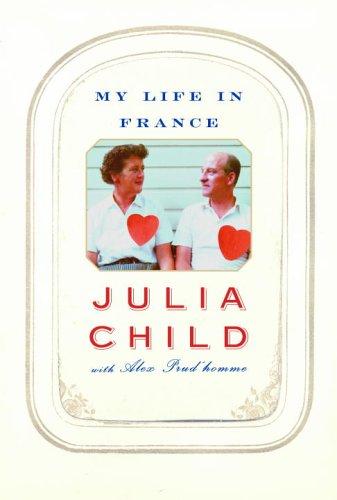
Julia Child recalls discovering French cooking. Warm and enthusiastic.
Best for: food memoir.
11. Smoke Gets in Your Eyes by Caitlin Doughty
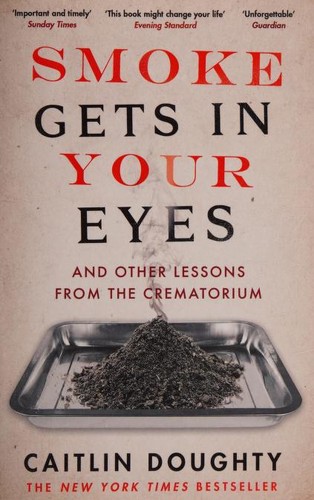
A mortician describes her years working at a crematory. Funny, frank and a good match for the show's attitude toward death.
Best for: the closest memoir.
12. Frogs by Nic Bishop
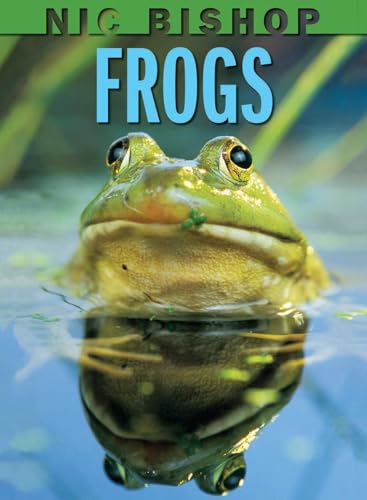
Stunning photographs of frogs with simple text. Beautiful.
Best for: close-up photography.
13. Crow Country by Mark Cocker
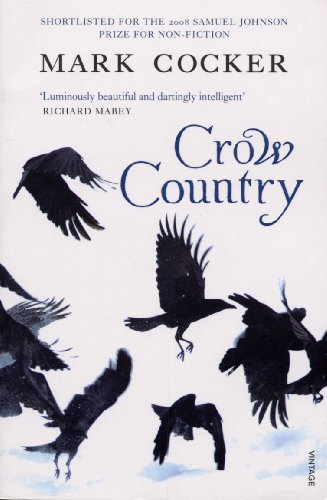
A writer follows rooks and crows across Norfolk. Detailed, patient and affectionate.
Best for: bird lovers.
14. The Genius of Birds by Jennifer Ackerman
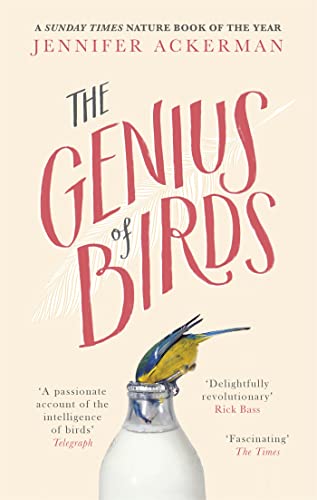
Ackerman explores the minds of birds. Clear and surprising.
Best for: bird intelligence.
15. Freakonomics by Steven D. Levitt and Stephen J. Dubner
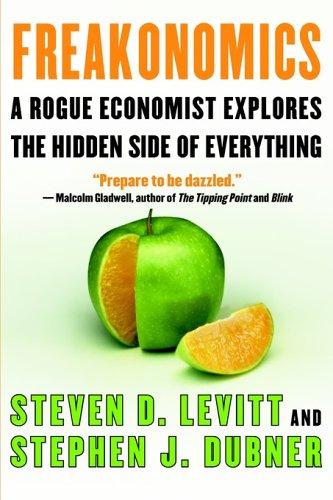
Applies economic thinking to odd questions, from cheating teachers to drug dealers. Lively and provocative.
Best for: curious readers.
How We Chose These Books
Every pick is a real, widely available book that shares something specific with The Omnivore's Dilemma: its tone, its themes, its pace or the kind of characters it puts at the center. We mixed well-known favorites with a few less obvious titles, and we noted who each book suits best so you can match it to the reader. Where a book belongs to a series, we list the first volume so you can start at the beginning.
If you are not sure where to begin, start with the first three picks in the table: they are the closest match to The Omnivore's Dilemma. The rest of the list moves further out, so it works well once you know which part of the original you liked most.
How to Choose
For food, read Four Fish. For nature, try What a Plant Knows. For science, pick Eating Animals.
Related: Silent Spring by Rachel Carson: Summary and Key Takeaways · Guns, Germs, and Steel by Jared Diamond: Summary and Key Takeaways
Frequently Asked Questions
Who wrote The Omnivore's Dilemma?
Michael Pollan, in 2006.
What is it about?
Where our food comes from.
Is it still relevant?
Yes.
Which book here is best for curious readers?
Try Freakonomics by Steven D. Levitt and Stephen J. Dubner, which suits readers looking for curious readers.
Which book here is best for bird intelligence?
Try The Genius of Birds by Jennifer Ackerman, which suits readers looking for bird intelligence.
Which book here is best for bird lovers?
Try Crow Country by Mark Cocker, which suits readers looking for bird lovers.
Which book here is best for close-up photography?
Try Frogs by Nic Bishop, which suits readers looking for close-up photography.
Which book here is best for the closest memoir?
Try Smoke Gets in Your Eyes by Caitlin Doughty, which suits readers looking for the closest memoir.
Which book here is best for food memoir?
Try My Life in France by Julia Child, which suits readers looking for food memoir.
Which book here is best for chef memoirs?
Try Eat a Peach by David Chang, which suits readers looking for chef memoirs.