

Disclosure: As an Amazon Associate, Bookish Wisdom earns from qualifying purchases. This doesn't change our picks or your price.
Quick answer: If you loved AI Snake Oil, read Nick Bostrom's Superintelligence, then Dave Eggers's The Circle, then John Carreyrou's Bad Blood, and Emily Chang's Brotopia and Sarah Frier's No Filter. All are sharp, clear books on technology.
Arvind Narayanan and Sayash Kapoor's AI Snake Oil (2024) explains the limits of AI claims. These picks share its critical eye.
Table of Contents
Quick Picks at a Glance
| Book | Author | Ages | Best For |
|---|---|---|---|
| Superintelligence | Nick Bostrom | Adult | readers who like philosophy |
| The Circle | Dave Eggers | Adult | readers who like tech dystopia |
| Bad Blood | John Carreyrou | Adult | tech scandals |
| Brotopia | Emily Chang | Adult | tech culture |
| No Filter | Sarah Frier | Adult | social app history |
| Hatching Twitter | Nick Bilton | Adult | startup drama |
| Sandworm | Andy Greenberg | Adult | cyberwar reporting |
| Little Brother | Cory Doctorow | Teen/Adult | readers who like hacking |
| Irresistible | Adam Alter | Adult | addictive design |
| The Shallows | Nicholas Carr | Adult | internet and thinking |
| Indistractable | Nir Eyal | Adult | focus tools |
| Valley of Genius | Adam Fisher | Adult | insider stories |
| Walkaway | Cory Doctorow | Adult | post-scarcity politics |
| Thinking, Fast and Slow | Daniel Kahneman | Adult | readers who like psychology |
| The Signal and the Noise | Nate Silver | Adult | how prediction works |
1. Superintelligence by Nick Bostrom
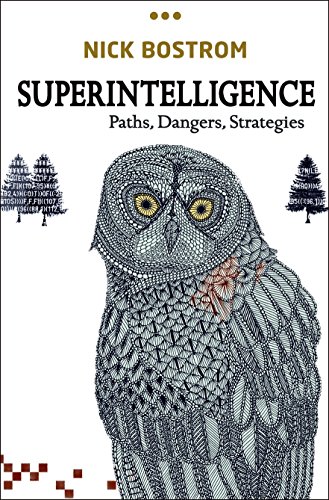
Bostrom explores what happens if machines surpass human intelligence. Dense but influential.
Best for: readers who like philosophy.
2. The Circle by Dave Eggers

Mae joins a powerful tech company and is drawn into its culture of total transparency. Chilling and satirical.
Best for: readers who like tech dystopia.
3. Bad Blood by John Carreyrou
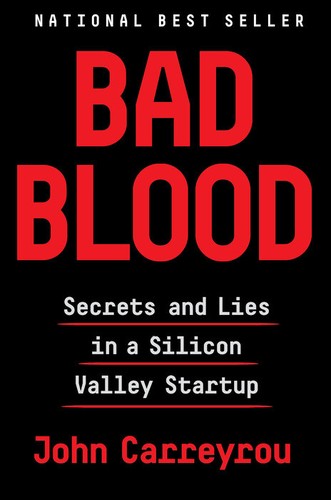
The collapse of Theranos and Elizabeth Holmes. A thriller of Silicon Valley fraud.
Best for: tech scandals.
4. Brotopia by Emily Chang
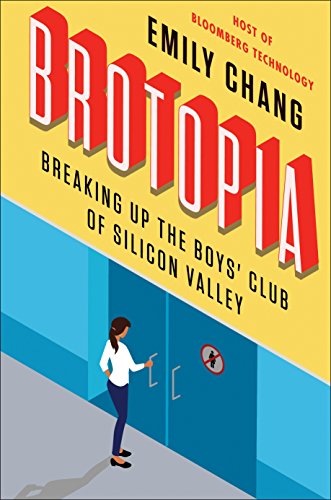
An investigation of the male-dominated culture in Silicon Valley. Clear and important.
Best for: tech culture.
5. No Filter by Sarah Frier
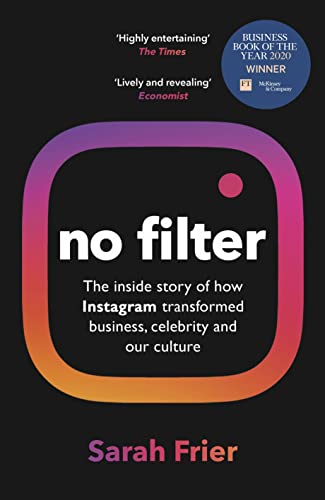
The story of Instagram, its founders and how Facebook acquired it. Narrative and well paced.
Best for: social app history.
6. Hatching Twitter by Nick Bilton
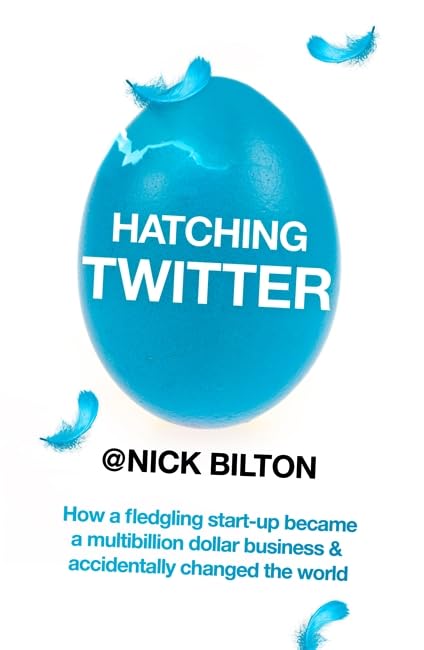
The founders of Twitter feud and fight for control. Reads like a drama.
Best for: startup drama.
7. Sandworm by Andy Greenberg
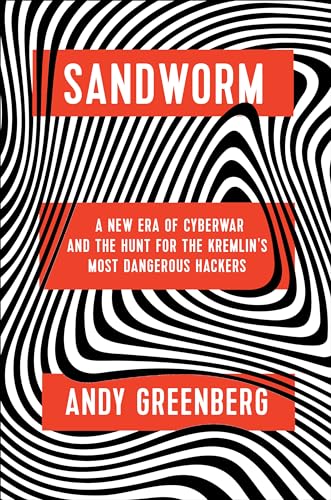
The story of Russian hackers and their attacks. Gripping and well reported.
Best for: cyberwar reporting.
8. Little Brother by Cory Doctorow

Marcus, a teen hacker, fights back after the Department of Homeland Security abuses its power. Fast and political.
Best for: readers who like hacking.
9. Irresistible by Adam Alter
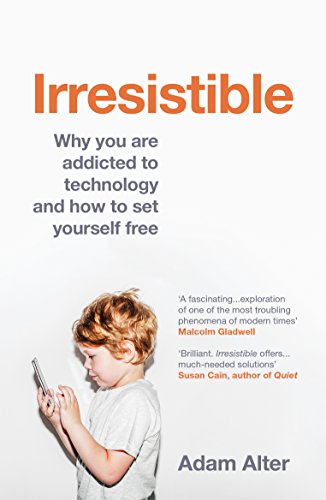
Alter explains how apps and games are designed to hook us. Well researched and readable.
Best for: addictive design.
10. The Shallows by Nicholas Carr
Carr explores how the internet changes our brains. A thoughtful and often cited book.
Best for: internet and thinking.
11. Indistractable by Nir Eyal
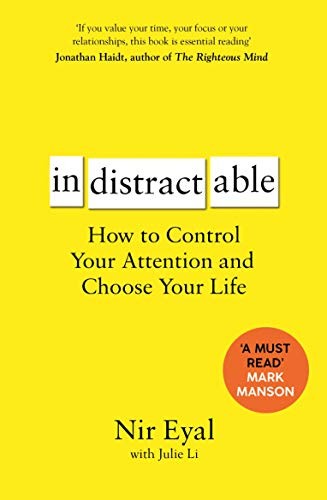
A framework for managing distraction by understanding triggers. Practical and positive.
Best for: focus tools.
12. Valley of Genius by Adam Fisher
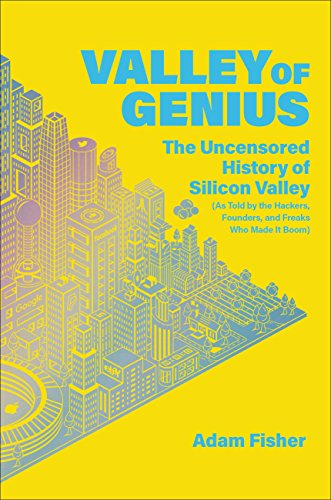
An oral history of Silicon Valley, told by the people involved. Lively and gossipy.
Best for: insider stories.
13. Walkaway by Cory Doctorow

People leave society to live in abandoned places. Idealistic and tense.
Best for: post-scarcity politics.
14. Thinking, Fast and Slow by Daniel Kahneman
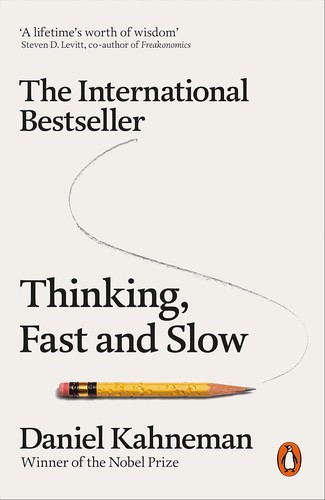
Kahneman explains the two systems of thought and our biases. Long, but illuminating for negotiators.
Best for: readers who like psychology.
15. The Signal and the Noise by Nate Silver
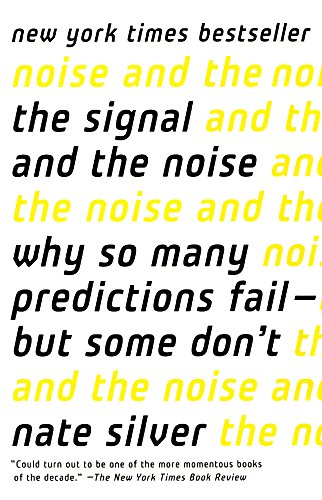
Statistician Nate Silver explains why most forecasts fail and how better ones are made. Clear and wide-ranging.
Best for: how prediction works.
How We Chose These Books
Every pick is a real, widely available book that shares something specific with AI Snake Oil: its tone, its themes, its pace or the kind of characters it puts at the center. We mixed well-known favorites with a few less obvious titles, and we noted who each book suits best so you can match it to the reader. Where a book belongs to a series, we list the first volume so you can start at the beginning.
If you are not sure where to begin, start with the first three picks in the table: they are the closest match to AI Snake Oil. The rest of the list moves further out, so it works well once you know which part of the original you liked most.
How to Choose
For technology, read The Circle. For critical views, try Bad Blood. For society, pick Superintelligence.
Related: Thinking, Fast and Slow by Daniel Kahneman: Summary and Key Takeaways
Frequently Asked Questions
Who wrote AI Snake Oil?
Arvind Narayanan and Sayash Kapoor.
When was it published?
2024.
Is it technical?
No, it is written for general readers.
Which book here is best for how prediction works?
Try The Signal and the Noise by Nate Silver, which suits readers looking for how prediction works.
Which book here is best for readers who like psychology?
Try Thinking, Fast and Slow by Daniel Kahneman, which suits readers looking for readers who like psychology.
Which book here is best for post-scarcity politics?
Try Walkaway by Cory Doctorow, which suits readers looking for post-scarcity politics.
Which book here is best for insider stories?
Try Valley of Genius by Adam Fisher, which suits readers looking for insider stories.
Which book here is best for focus tools?
Try Indistractable by Nir Eyal, which suits readers looking for focus tools.
Which book here is best for internet and thinking?
Try The Shallows by Nicholas Carr, which suits readers looking for internet and thinking.
Which book here is best for addictive design?
Try Irresistible by Adam Alter, which suits readers looking for addictive design.
Which book here is best for readers who like hacking?
Try Little Brother by Cory Doctorow, which suits readers looking for readers who like hacking.
Which book here is best for cyberwar reporting?
Try Sandworm by Andy Greenberg, which suits readers looking for cyberwar reporting.