
Disclosure: As an Amazon Associate, Bookish Wisdom earns from qualifying purchases. This doesn't change our picks or your price.
TL;DR: Years ago, the king of Orïsha wiped out magic and killed many of its practitioners, called maji. Zélie, whose mother was killed in the raid, gets a chance to bring magic back. She teams up with her brother and a runaway princess, and the prince is on their trail.
Table of Contents
Children of Blood and Bone at a Glance
| Author | Tomi Adeyemi |
| First published | 2018 |
| Type | Young adult fantasy |
| Best for | readers who like epic YA fantasy rooted in West African myth |
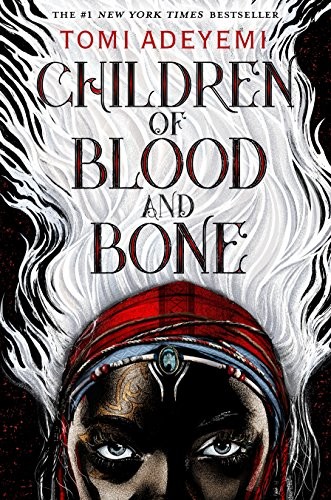
Children of Blood and Bone is a novel by Tomi Adeyemi, first published in 2018. It is the first book in the Legacy of Orïsha series, and it draws on West African mythology and culture. Below you will find a part-by-part summary, five key takeaways, a few ideas worth remembering and a note on who will enjoy it most. The part-by-part section gives away the plot, including the ending, so skip it if you have not read the book yet.
Content note: Contains violence, torture and themes of racism and oppression.
What Happens, Part by Part (Contains Spoilers)
The Raid
Eleven years earlier, the king ordered the maji, who could do magic by the gods' gifts, to be killed in what is known as the Raid. Zélie's mother was one of them. Zélie, a diviner with white hair, grows up in a world that treats her people as lesser.
The scroll
Princess Amari steals a sacred scroll from her father's palace after seeing a friend killed. She runs into Zélie and her brother Tzain, who realize that the scroll can bring magic back.
The quest
The three set off on a journey to a temple on an island, to perform a ritual before a deadline. Along the way, they meet other maji and face dangers on land and in the sea.
The prince
Prince Inan, Amari's brother, is sent by his father to bring her back and recapture the scroll. He is torn between duty and what he sees on the road, including his own hidden magic.
Zélie and Inan
A strange connection forms between Zélie and Inan, and the story shows both attraction and conflict. Their relationship is complicated by what each represents.
The ritual
At the temple, the group has to face the consequences of the ritual and the king's forces. The book ends on a dramatic cliffhanger that sets up the next novel.
5 Key Takeaways
- Systems of oppression harm entire communities, not just individuals.
- Identity and heritage are sources of strength.
- Power can corrupt, and mercy can be harder than revenge.
- Courage often means acting despite fear.
- Change comes at a cost, and not everyone agrees on the price.
Ideas Worth Remembering
These are paraphrased, not direct quotes:
- The book uses fantasy to talk about real racism and violence.
- Each of the three main narrators sees the world differently.
- The magic system draws from the Yoruba tradition of gods and spirits.
Who Should Read Children of Blood and Bone?
Read it if you like epic quests, strong heroines and politically charged fantasy. It is dark in places, so it is best for older teens and adults.
Questions to Think About After Reading
These prompts work for solo reading, a book club or a classroom discussion of Children of Blood and Bone:
- Which character did you understand best, and what did the author do to make you feel that way?
- Which scene would you change, and what would that do to the ending?
- What does the book say about its main theme that you agree or disagree with?
Quick Facts to Remember
- Book: Children of Blood and Bone by Tomi Adeyemi (2018)
- Type: Young adult fantasy
- Best for: readers who like epic YA fantasy rooted in West African myth
- Main idea in one line: Systems of oppression harm entire communities, not just individuals.
Reading Time and Format
Novels differ a lot in length and pace, so check the page count of your edition before you start. If you prefer to listen, many public libraries lend audiobooks through free apps, and a narrated edition can suit a long novel well.
How to Use This Summary
Use this page as a quick reference before a book club meeting, an exam, or a decision about whether Children of Blood and Bone is worth your time. The takeaways are written to stand on their own. If a point interests you, go back to the book for the author's full argument, examples and style, which no short summary can carry.
A Note on Accuracy and Spoilers
This summary is based on the published text of Children of Blood and Bone, not on any film, series or stage adaptation, which often change the story. Details are kept at the level of the main events so that nothing is invented. Editions differ slightly in length and wording, so page numbers and small details may vary from your copy.
Should You Read the Book?
If you plan to read it, set aside a few evenings and read the opening chapters before you decide. A summary tells you what happens, but the voice and pacing are what make a novel work or not.
Check price of Children of Blood and Bone on Amazon
What to Read Next
- Legacy of Orisha series by Tomi Adeyemi: the sequels, starting with Children of Virtue and Vengeance
- An Ember in the Ashes by Sabaa Tahir: a YA fantasy of empire and resistance
- Black Leopard, Red Wolf by Marlon James: an adult African-inspired fantasy
Related: 15 Books Like Children of Blood and Bone You’ll Love: African-Inspired Fantasy and Magic · What Age Is Children of Blood and Bone Appropriate For? A Parent’s Guide
Frequently Asked Questions
Is Children of Blood and Bone part of a series?
Yes. It is the first of the Legacy of Orisha books.
Is it based on African mythology?
It draws on West African, especially Yoruba, myths and culture, though the story is invented.
What age is it for?
Roughly 14 and up because of its violence.
Is Children of Blood and Bone worth reading?
It depends on what you want. The book is best for readers who like epic YA fantasy rooted in West African myth. If that describes you, it is likely a good fit. If not, the titles under What to Read Next may suit you better.
Can this summary replace reading Children of Blood and Bone?
No. A summary covers the main events and ideas, but it cannot carry the author's voice, detail or pacing. Use it to decide whether to read the book, to refresh your memory or to prepare for a discussion.