
Disclosure: As an Amazon Associate, Bookish Wisdom earns from qualifying purchases. This doesn't change our picks or your price.
TL;DR: In the small English town of Cranford, a community of genteel, mostly unmarried women live by strict rules of politeness and careful economy. Through the eyes of young Mary Smith, we follow their small dramas, a bank failure that ruins kind Miss Matty, and the surprising return of her long-lost brother, as the town's friendships prove stronger than its rules.
Table of Contents
Cranford at a Glance
| Author | Elizabeth Gaskell |
| First published | 1853 |
| Type | Novel |
| Best for | readers who want gentle, funny stories about community |
Cranford is a novel by Elizabeth Gaskell, first published as linked stories in 1851–53. It is a warm, humorous portrait of small-town life during a time of change. Below you will find a part-by-part summary, five key takeaways, ideas worth remembering and a note on who will enjoy it.
Content note: Includes deaths and financial hardship.
Main Characters
- Mary Smith: A young visitor and the narrator.
- Miss Matty Jenkyns: A gentle, shy woman.
- Miss Deborah Jenkyns: Matty's strict older sister.
- Captain Brown: A cheerful retired soldier.
- Peter Jenkyns: Matty's brother, who ran away to India as a boy.
What Happens, Part by Part (Contains Spoilers)
The ladies of Cranford
Cranford is ruled by women who keep up appearances on small incomes. They call it “elegant economy.” They pretend not to care about money, follow detailed social rules and treat men with suspicion. Captain Brown arrives and upsets them by openly admitting he is poor, but his kindness wins them over.
Captain Brown
Captain Brown and Miss Deborah argue about literature, since he prefers Dickens to Dr. Johnson. Captain Brown dies saving a child from a train while reading Dickens, a scene both comic and sad. Deborah later dies, leaving Miss Matty alone.
Miss Matty
Mary learns about Matty's past, including the suitor her family made her refuse because he was not genteel enough, and her brother Peter, who ran away after a cruel punishment by their father. Small events, a lost cat, a magician's show and a panic about robbers fill the town's days.
The bank failure
Miss Matty loses almost all her income when her bank fails. Rather than despair, she shows her honesty by giving a farmer gold for a worthless banknote. Her friends secretly contribute money to support her, and she opens a small tea shop, which Mary's father helps arrange.
Peter returns
Mary writes to a man in India she suspects is Peter Jenkyns. He returns to Cranford, kind and full of exaggerated tales, and his presence makes Matty happy. Old quarrels are mended, and the town's women reconcile with the snobbish Lady Glenmire and Mrs. Jamieson.
5 Key Takeaways
- Small communities can be deeply loving.
- Kindness matters more than appearances.
- Honesty is a form of courage.
- Pride can keep people apart.
- Change can be faced with grace.
Ideas Worth Remembering
These are paraphrased, not direct quotes:
- Generosity can be quiet and anonymous.
- The old rules of politeness can hide warm hearts.
- Even small lives contain real drama.
Who Should Read Cranford?
Read Cranford if you enjoy gentle humor, small-town life and character sketches. It suits teens and adults.
Questions to Think About After Reading
These prompts work for solo reading, a book club or a classroom discussion of Cranford:
- Why do the ladies hide their poverty?
- How does the town respond to Matty's loss?
- What does Peter's return mean to Matty?
How to Use This Summary
Use this page as a quick reference before a book club meeting, an exam, or a decision about whether Cranford is worth your time. The takeaways are written to stand on their own. If a point interests you, go back to the book for the author's full story, characters and style, which no short summary can replace.
A Note on Accuracy and Spoilers
This summary is based on the published text of Cranford, not on any film, series or stage adaptation, which often change the story. Details are kept at the level of the main events so that nothing is invented. Editions differ slightly in length and wording, so page numbers and small details may vary between copies.
Should You Read the Book?
Yes. It is short, charming and often very funny, with moments of real sadness. It is a comforting classic.
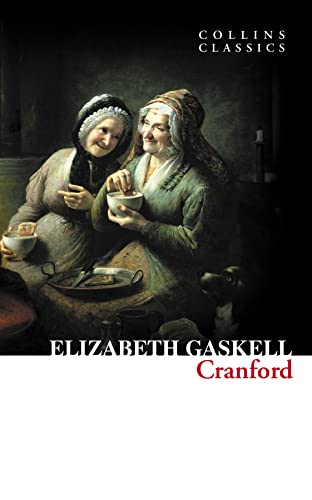
Check price of Cranford on Amazon
What to Read Next
- North and South by Elizabeth Gaskell: Gaskell's industrial novel
- Middlemarch by George Eliot: a deeper portrait of provincial life
- Miss Pettigrew Lives for a Day by Winifred Watson: a gentle, warm comedy
Related: North and South by Elizabeth Gaskell: Summary and Key Takeaways
Frequently Asked Questions
What is Cranford about?
Life in a small English town run by genteel, mostly unmarried women.
Who wrote Cranford?
Elizabeth Gaskell.
Who narrates Cranford?
Mary Smith, a young visitor.
What is elegant economy?
The ladies' way of living frugally while pretending not to care about money.
What happens to Miss Matty's money?
Her bank fails, and her friends help her.
Who returns from India?
Peter Jenkyns, Matty's long-lost brother.
What age is it for?
Teens and adults.
Is there a TV adaptation?
Yes, a popular 2007 BBC series with Judi Dench.
How long is it?
About 200 pages.
Is Cranford a real town?
It is fictional, based on Knutsford in Cheshire.
Who are the main characters in Cranford?
The main characters are Mary Smith, Miss Matty Jenkyns, Miss Deborah Jenkyns, Captain Brown and Peter Jenkyns. Mary Smith: A young visitor and the narrator. Miss Matty Jenkyns: A gentle, shy woman. Miss Deborah Jenkyns: Matty's strict older sister.
Is Cranford worth reading?
It depends on what you want. The book is best for readers who want gentle, funny stories about community. If that describes you, it is likely a good fit. If not, the titles under What to Read Next may suit you better.