
Disclosure: As an Amazon Associate, Bookish Wisdom earns from qualifying purchases. This doesn't change our picks or your price.
TL;DR: Fifteen-year-old Callie is sent to Sea Pines, a residential treatment center for girls, after her family discovers she has been cutting herself. Callie refuses to speak to her therapist or the other girls. Slowly, through the patience of her therapist and the stories of the other residents, she begins to understand her pain, her family's struggles and her own power to heal.
Table of Contents
Cut at a Glance
| Author | Patricia McCormick |
| First published | 2000 |
| Type | Young adult novel |
| Best for | teens and adults who want an honest, hopeful story about self-harm and recovery |
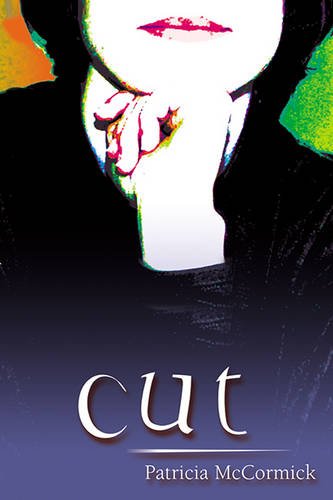
Cut is a young adult novel by Patricia McCormick, published in 2000. It is one of the first YA novels to deal openly with self-harm. Below you will find a part-by-part summary, five key takeaways, ideas worth remembering and a note on who will enjoy it.
Content note: Includes self-harm, eating disorders and drug use.
Main Characters
- Callie: A silent, withdrawn fifteen-year-old who cuts herself.
- Callie's therapist: A patient woman Callie calls “you” in her narration.
- Tara: A girl with anorexia.
- Amanda: A newcomer who also self-harms.
- Sam: Callie's younger brother, who has severe asthma.
What Happens, Part by Part (Contains Spoilers)
Silence
Callie arrives at Sea Pines, which the girls call “Sick Pines.” She refuses to speak in group therapy or to her therapist. The narration is addressed to the therapist as “you.” Callie observes the other girls: some have eating disorders, some used drugs, and one, Amanda, also cuts.
Life at Sea Pines
Callie follows the routines of meals, therapy and group sessions. She runs on the hill when she is upset, and the staff watches her closely. The other girls share their stories, and Callie slowly begins to feel a connection with them.
The first words
Callie's mother visits, nervous and fragile, and her father barely appears. The visits are painful. Eventually Callie speaks to her therapist, first a few words, then more. She talks about her brother Sam's asthma attack, when she blamed herself for not helping fast enough, and the stress and silence in her family.
Understanding
Callie realizes that cutting gave her a sense of control over overwhelming feelings. She learns that her family's problems, including her father's absence and her mother's anxiety, were not her fault. When Amanda cuts again, Callie resists the urge herself.
Choosing to heal
Callie begins to participate in group sessions and to support others. She finds healthier ways to cope and begins to rebuild trust with her family. The novel ends with hope: Callie knows recovery is a process, but she is ready to begin.
5 Key Takeaways
- Self-harm is often a way of coping with overwhelming pain.
- Talking, even a little, is the first step toward healing.
- Family stress can affect children deeply.
- Recovery takes patience and support.
- You are not to blame for problems beyond your control.
Ideas Worth Remembering
These are paraphrased, not direct quotes:
- Silence can feel safe but keeps pain locked in.
- Others' stories can make us feel less alone.
- Healing is a choice made again and again.
Who Should Read Cut?
Read Cut if you are a teen or adult who wants to understand self-harm, or if you need a story about recovery. It suits readers 13 and up.
Questions to Think About After Reading
These prompts work for solo reading, a book club or a classroom discussion of Cut:
- Why does Callie stop talking?
- What helps Callie start to heal?
- How do the other girls influence her?
How to Use This Summary
Use this page as a quick reference before a book club meeting, an exam, or a decision about whether Cut is worth your time. The takeaways are written to stand on their own. If a point interests you, go back to the book for the author's full story, characters and style, which no short summary can replace.
A Note on Accuracy and Spoilers
This summary is based on the published text of Cut, not on any film, series or stage adaptation, which often change the story. Details are kept at the level of the main events so that nothing is invented. Editions differ slightly in length and wording, so page numbers and small details may vary between copies.
Should You Read the Book?
Yes. It is short, sensitive and hopeful, and it is often used in schools and support groups. Readers who are struggling should read it with support.
What to Read Next
- Speak by Laurie Halse Anderson: a girl finds her voice after trauma
- Wintergirls by Laurie Halse Anderson: a powerful novel about eating disorders
- It's Kind of a Funny Story by Ned Vizzini: a teen's stay in a psychiatric ward
Related: 15 Books Like Cut You’ll Love
Frequently Asked Questions
What is Cut about?
A teenage girl in a treatment center begins to recover from self-harm.
Who wrote Cut?
Patricia McCormick, in 2000.
Why does Callie cut herself?
It gives her a sense of control over painful feelings.
What is Sea Pines?
The residential treatment center where Callie stays.
Who does Callie address in her narration?
Her therapist, as “you.”
What age is it for?
About 13 and up, with support for sensitive readers.
How long is it?
About 170 pages.
Does Callie get better?
She begins to recover, and the ending is hopeful.
Where can someone who self-harms get help?
From a trusted adult, a doctor or a mental health crisis line in their country.
Is it based on a true story?
No, but it draws on research and interviews.
Why is it important?
It was one of the first YA novels to talk openly about self-harm.
Is Cut worth reading?
It depends on what you want. The book is best for teens and adults who want an honest, hopeful story about self-harm and recovery. If that describes you, it is likely a good fit. If not, the titles under What to Read Next may suit you better.