
Disclosure: As an Amazon Associate, Bookish Wisdom earns from qualifying purchases. This doesn't change our picks or your price.
TL;DR: David Copperfield tells his own life story, from a happy early childhood ruined by a cruel stepfather, through hard work in a London warehouse, to his escape to his eccentric aunt, his career as a writer and his search for love. Along the way he meets unforgettable characters, including Mr. Micawber and the scheming Uriah Heep.
Table of Contents
David Copperfield at a Glance
| Author | Charles Dickens |
| First published | 1850 |
| Type | Novel |
| Best for | readers who want a long, rich coming-of-age novel full of memorable characters |
David Copperfield is a novel by Charles Dickens, first published in 1849–50, and it was his personal favorite. It draws on his own childhood, including work in a factory as a boy. Below you will find a part-by-part summary, five key takeaways, ideas worth remembering and a note on who will enjoy it.
Content note: Includes child abuse and a death by drowning.
Main Characters
- David Copperfield: The narrator, an orphan who grows into a successful writer.
- Betsey Trotwood: David's eccentric, kind great-aunt.
- Wilkins Micawber: A cheerful, debt-ridden friend always waiting for something to “turn up”.
- Uriah Heep: A falsely humble clerk who schemes for power.
- Agnes Wickfield: David's steady, loving friend.
What Happens, Part by Part (Contains Spoilers)
Childhood
David's father dies before he is born, and his gentle mother marries the harsh Mr. Murdstone, who beats David and sends him to a cruel school. There David befriends the charming Steerforth and kind Tommy Traddles. When his mother dies, Murdstone sends ten-year-old David to work in a London bottling warehouse.
Escape to Aunt Betsey
In London, David lodges with the Micawbers, who are always in debt. When they leave, David runs away, walking to Dover to find his great-aunt Betsey Trotwood. She takes him in and sends him to school, where he lives with the lawyer Mr. Wickfield and his daughter Agnes. He meets Wickfield's clerk, the creepy Uriah Heep.
Young manhood
David trains as a lawyer and falls in love with the pretty but childlike Dora Spenlow. He introduces Steerforth to his childhood friends, the Peggottys, and Steerforth seduces and runs away with Little Em'ly, who was engaged to Ham Peggotty. Meanwhile, Uriah Heep gains control over Mr. Wickfield's business.
Heep's downfall
David marries Dora, and he begins to succeed as a writer. Mr. Micawber, working for Heep, exposes his fraud, saving the Wickfields and Aunt Betsey. Dora falls ill and dies. In a storm at Yarmouth, Ham drowns trying to rescue a sailor, who turns out to be Steerforth.
The ending
Grieving, David travels abroad. He realizes he has always loved Agnes. He returns, and they marry and have children. The Micawbers find success in Australia, Little Em'ly makes a new life there, and David becomes a famous author, looking back on his life with gratitude.
5 Key Takeaways
- Hard childhood experiences can shape a strong, compassionate adult.
- Kindness from family and friends can change the course of a life.
- Falsely humble people may hide great ambition.
- Growing up means learning what love really is.
- Hope, like Micawber's, can be comic and inspiring.
Ideas Worth Remembering
These are paraphrased, not direct quotes:
- Life's hardest chapters can lead to its happiest.
- The people who stand by you matter most.
- Something good may turn up if you keep going.
Who Should Read David Copperfield?
Read David Copperfield if you love long novels that follow a life from childhood to adulthood. It is rich, funny and moving, best for patient teens and adults.
Questions to Think About After Reading
These prompts work for solo reading, a book club or a classroom discussion of David Copperfield:
- How does David's childhood shape the man he becomes?
- Why is Uriah Heep such a memorable villain?
- Why do you think Dickens called this his favorite novel?
How to Use This Summary
Use this page as a quick reference before a book club meeting, an exam, or a decision about whether David Copperfield is worth your time. The takeaways are written to stand on their own. If a point interests you, go back to the book for the author's full story, characters and style, which no short summary can replace.
A Note on Accuracy and Spoilers
This summary is based on the published text of David Copperfield, not on any film, series or stage adaptation, which often change the story. Details are kept at the level of the main events so that nothing is invented. Editions differ slightly in length and wording, so page numbers and small details may vary between copies.
Should You Read the Book?
If the summary caught your interest, read the opening chapters before you decide. A summary tells you what happens, but the voice and pacing are what make a book work or not.
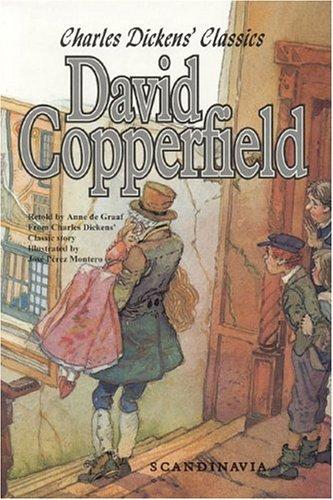
Check price of David Copperfield on Amazon
What to Read Next
- Great Expectations by Charles Dickens: another Dickens coming-of-age story
- Demon Copperhead by Barbara Kingsolver: a modern retelling set in Appalachia
- Jane Eyre by Charlotte Brontë: an orphan's life story
Related: 15 Books Like David Copperfield You’ll Love · A Christmas Carol by Charles Dickens: Summary and Key Takeaways
Frequently Asked Questions
What is David Copperfield about?
A boy grows up through hardship and becomes a successful writer.
Is David Copperfield autobiographical?
Partly. Dickens drew on his own childhood factory work.
Who is Mr. Micawber?
A cheerful man always in debt, waiting for something to turn up.
Who does David marry?
First Dora, and later Agnes.
Who is Uriah Heep?
A scheming clerk exposed by Micawber.
How long is it?
Very long, often over 800 pages.
Is there a film?
Yes. The Personal History of David Copperfield (2019) starred Dev Patel.
Is Demon Copperhead based on it?
Yes. Barbara Kingsolver's 2022 novel retells it in Appalachia.
Is David Copperfield worth reading?
It depends on what you want. The book is best for readers who want a long, rich coming-of-age novel full of memorable characters. If that describes you, it is likely a good fit. If not, the titles under What to Read Next may suit you better.