
Disclosure: As an Amazon Associate, Bookish Wisdom earns from qualifying purchases. This doesn't change our picks or your price.
TL;DR: On Christmas Eve, the miserly Ebenezer Scrooge is visited by the ghost of his partner Jacob Marley and then by three spirits who show him his past, his present and a lonely future. He wakes on Christmas morning transformed, generous and joyful, and helps the Cratchit family and their son Tiny Tim.
Table of Contents
A Christmas Carol at a Glance
| Author | Charles Dickens |
| First published | 1843 |
| Type | Novella |
| Best for | readers who want a short, warm classic about kindness and second chances |
A Christmas Carol is a novella by Charles Dickens, first published in December 1843. It helped shape how the English-speaking world celebrates Christmas, with its focus on generosity, family and goodwill. Below you will find a part-by-part summary, five key takeaways, ideas worth remembering and a note on who will enjoy it.
Main Characters
- Ebenezer Scrooge: A cold, stingy businessman who hates Christmas.
- Jacob Marley: Scrooge's dead partner, who returns as a ghost in chains.
- Bob Cratchit: Scrooge's underpaid, cheerful clerk.
- Tiny Tim: Bob's sickly young son.
- Fred: Scrooge's kind nephew, who invites him to Christmas dinner every year.
What Happens, Part by Part (Contains Spoilers)
Marley's ghost
On Christmas Eve, Scrooge refuses to donate to charity, turns down his nephew Fred's invitation and grudgingly gives his clerk Bob Cratchit the day off. That night, the ghost of his partner Jacob Marley appears, dragging heavy chains he forged through greed in life. Marley warns that three spirits will visit Scrooge.
The Ghost of Christmas Past
The first spirit shows Scrooge his lonely childhood at boarding school, his happy apprenticeship with the jolly Mr. Fezziwig and the moment his fiancée Belle left him because he loved money more than her. Scrooge is moved and ashamed.
The Ghost of Christmas Present
The second spirit takes Scrooge to the Cratchits' small but joyful Christmas dinner, where he sees the sick Tiny Tim. Scrooge asks if Tim will live, and the spirit says that he will die if nothing changes. They also visit Fred's lively party, where Fred defends his uncle.
The Ghost of Christmas Yet to Come
The silent final spirit shows a man's death that no one mourns; people steal his belongings and joke about him. Tiny Tim has died, and the Cratchits grieve. Scrooge sees his own name on a neglected grave and begs for a chance to change.
The ending
Scrooge wakes on Christmas morning, overjoyed to find he has another chance. He sends a huge turkey to the Cratchits, donates generously, joins Fred's dinner and raises Bob's salary. He becomes a second father to Tiny Tim, who does not die, and he keeps Christmas well for the rest of his life.
5 Key Takeaways
- It is never too late to change.
- Greed isolates people and leaves them unloved.
- Kindness and generosity bring real joy.
- The way we treat the poor reflects our humanity.
- Memory and imagination can show us how to live better.
Ideas Worth Remembering
These are paraphrased, not direct quotes:
- Wealth means little if no one cares about you.
- A single change of heart can help many people.
- The future can be changed by what we do today.
Who Should Read A Christmas Carol?
Read A Christmas Carol if you want a short, warm classic for the holiday season. It is perfect for families and readers of all ages, and it is especially good read aloud.
Questions to Think About After Reading
These prompts work for solo reading, a book club or a classroom discussion of A Christmas Carol:
- What finally changes Scrooge's mind?
- Which ghost do you think is most powerful, and why?
- What does the story say about how we treat the poor?
How to Use This Summary
Use this page as a quick reference before a book club meeting, an exam, or a decision about whether A Christmas Carol is worth your time. The takeaways are written to stand on their own. If a point interests you, go back to the book for the author's full story, characters and style, which no short summary can replace.
A Note on Accuracy and Spoilers
This summary is based on the published text of A Christmas Carol, not on any film, series or stage adaptation, which often change the story. Details are kept at the level of the main events so that nothing is invented. Editions differ slightly in length and wording, so page numbers and small details may vary between copies.
Should You Read the Book?
If the summary caught your interest, read the opening chapters before you decide. A summary tells you what happens, but the voice and pacing are what make a book work or not.
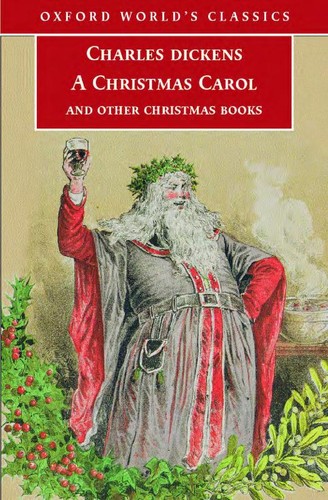
Check price of A Christmas Carol on Amazon
What to Read Next
- The Chimes by Charles Dickens: Dickens's next Christmas book
- Great Expectations by Charles Dickens: Dickens's most beloved novel
- A Man Called Ove by Fredrik Backman: a modern story of a grumpy man who softens
Related: 15 Books Like A Christmas Carol You’ll Love · Oliver Twist by Charles Dickens: Summary and Key Takeaways
Frequently Asked Questions
What is A Christmas Carol about?
A miser is visited by ghosts on Christmas Eve and becomes kind and generous.
How many ghosts visit Scrooge?
Four, counting Marley and the three spirits.
What does “Bah! Humbug!” mean?
Scrooge's dismissive phrase for things he thinks are nonsense.
Does Tiny Tim die?
No. Scrooge's change of heart saves him.
How long is it?
It is a short novella, about 100 pages.
When was it published?
In December 1843.
Is there a film?
Yes, many, including The Muppet Christmas Carol.
Is it good for kids?
Yes, though the ghosts may scare very young children.
Is A Christmas Carol worth reading?
It depends on what you want. The book is best for readers who want a short, warm classic about kindness and second chances. If that describes you, it is likely a good fit. If not, the titles under What to Read Next may suit you better.