
Disclosure: As an Amazon Associate, Bookish Wisdom earns from qualifying purchases. This doesn't change our picks or your price.
TL;DR: Oliver Twist, an orphan born in a workhouse, famously asks for more gruel and is cast out. He runs away to London and falls in with Fagin's gang of child pickpockets, led by the Artful Dodger and the violent Bill Sikes. With help from kind strangers, he escapes, learns his true identity and finds a home.
Table of Contents
Oliver Twist at a Glance
| Author | Charles Dickens |
| First published | 1838 |
| Type | Novel |
| Best for | readers who want a gripping Dickens story about poverty, crime and kindness |
Oliver Twist is Charles Dickens's second novel, first published in serial form from 1837 to 1839. It attacked the cruel treatment of the poor in Victorian England, especially under the workhouse system. Below you will find a part-by-part summary, five key takeaways, ideas worth remembering and a note on who will enjoy it.
Content note: Includes violence, including a murder, and child abuse. The portrayal of Fagin draws on antisemitic stereotypes of the time.
Main Characters
- Oliver Twist: A gentle orphan who stays good despite hardship.
- Fagin: A criminal who trains children to steal.
- The Artful Dodger: A clever young pickpocket in Fagin's gang.
- Bill Sikes: A brutal burglar.
- Nancy: A young woman in the gang who risks her life to help Oliver.
What Happens, Part by Part (Contains Spoilers)
The workhouse
Oliver is born in a workhouse, where his mother dies. He grows up hungry and mistreated. When he dares to ask, “Please, sir, I want some more,” he is punished and sent to work for an undertaker. Bullied there, he runs away to London.
Fagin's gang
In London, Oliver meets the Artful Dodger, who takes him to Fagin, a criminal who trains boys to pick pockets. On his first outing, Oliver is wrongly arrested when the Dodger steals from a gentleman, Mr. Brownlow. Brownlow takes pity on him and brings him home to recover.
Recaptured
Fagin and Bill Sikes, fearing Oliver will betray them, kidnap him back with help from Nancy. Sikes forces Oliver to help with a burglary, where Oliver is shot. He is taken in by the kind Maylie family, who care for him. Meanwhile, a mysterious man named Monks plots with Fagin to ruin Oliver.
Nancy's courage
Nancy overhears Monks's plot and secretly tells Rose Maylie and Mr. Brownlow. When Sikes learns of this, he brutally murders Nancy. Hunted by a mob, Sikes accidentally hangs himself while trying to escape across rooftops.
The ending
Monks is revealed as Oliver's half-brother, who wanted to steal Oliver's inheritance. Rose Maylie turns out to be Oliver's aunt. Fagin is hanged for his crimes. Mr. Brownlow adopts Oliver, and he finally finds a safe and loving home.
5 Key Takeaways
- Poverty and cruel institutions can harm innocent children.
- Goodness can survive even in terrible circumstances.
- Courage, like Nancy's, can come from unexpected places.
- Society should care for its most vulnerable.
- Crime is shaped by circumstances, not just character.
Ideas Worth Remembering
These are paraphrased, not direct quotes:
- Asking for more can be an act of courage.
- Kindness from strangers can change a life.
- People in hard places can still choose to do good.
Who Should Read Oliver Twist?
Read Oliver Twist if you want a fast, dramatic Dickens story with memorable villains. It suits teens and adults, and abridged versions work for younger readers.
Questions to Think About After Reading
These prompts work for solo reading, a book club or a classroom discussion of Oliver Twist:
- Why does Oliver stay good when others around him don't?
- Is Nancy the true hero of the novel?
- How does Dickens criticize Victorian society?
How to Use This Summary
Use this page as a quick reference before a book club meeting, an exam, or a decision about whether Oliver Twist is worth your time. The takeaways are written to stand on their own. If a point interests you, go back to the book for the author's full story, characters and style, which no short summary can replace.
A Note on Accuracy and Spoilers
This summary is based on the published text of Oliver Twist, not on any film, series or stage adaptation, which often change the story. Details are kept at the level of the main events so that nothing is invented. Editions differ slightly in length and wording, so page numbers and small details may vary between copies.
Should You Read the Book?
If the summary caught your interest, read the opening chapters before you decide. A summary tells you what happens, but the voice and pacing are what make a book work or not.
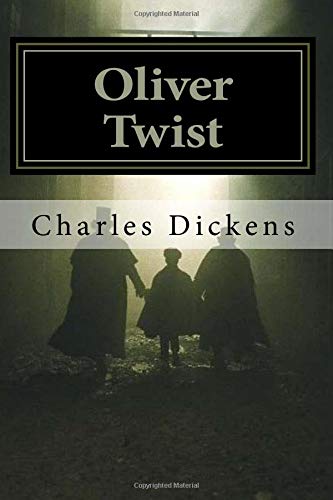
Check price of Oliver Twist on Amazon
What to Read Next
- Great Expectations by Charles Dickens: Dickens's most beloved novel
- David Copperfield by Charles Dickens: another orphan's life story
- Les Misérables by Victor Hugo: poverty and redemption in France
Related: 15 Books Like Oliver Twist You’ll Love · Great Expectations by Charles Dickens: Summary and Key Takeaways
Frequently Asked Questions
What is Oliver Twist about?
An orphan escapes a workhouse and falls in with a gang of thieves before finding a home.
What is the famous line?
“Please, sir, I want some more.”
Who is Fagin?
A criminal who trains children to steal.
What happens to Nancy?
Bill Sikes murders her for helping Oliver.
Who adopts Oliver?
Mr. Brownlow.
Is there a musical?
Yes. Oliver! is a famous musical and 1968 film.
Is Oliver Twist criticized today?
Yes. Its portrayal of Fagin relies on antisemitic stereotypes.
How long is it?
Around 400 to 500 pages.
Who is Mr. Bumble?
The pompous workhouse official who mistreats Oliver.
Is Oliver Twist worth reading?
It depends on what you want. The book is best for readers who want a gripping Dickens story about poverty, crime and kindness. If that describes you, it is likely a good fit. If not, the titles under What to Read Next may suit you better.