
Disclosure: As an Amazon Associate, Bookish Wisdom earns from qualifying purchases. This doesn't change our picks or your price.
TL;DR: Young lawyer Jonathan Harker travels to Transylvania to help Count Dracula buy a house in England, and discovers that his host is a vampire. When Dracula arrives in England and preys on Lucy Westenra and then Mina Harker, a band led by Professor Van Helsing hunts him back to his castle.
Table of Contents
Dracula at a Glance
| Author | Bram Stoker |
| First published | 1897 |
| Type | Gothic horror novel |
| Best for | readers who want the classic vampire novel told through letters and diaries |
Dracula is a gothic horror novel by Bram Stoker, first published in 1897. It is told entirely through diaries, letters, newspaper clippings and records, which makes the reader piece the story together alongside the characters. Below you will find a part-by-part summary, five key takeaways, ideas worth remembering and a note on who will enjoy it.
Content note: Includes violence, blood and some disturbing scenes.
Main Characters
- Count Dracula: An ancient vampire nobleman who wants to spread his power to London.
- Jonathan Harker: A young English lawyer who becomes Dracula's prisoner.
- Mina Harker: Jonathan's clever, brave fiancée and later wife.
- Abraham Van Helsing: A Dutch professor who knows how to fight vampires.
- Lucy Westenra: Mina's friend, Dracula's first English victim.
What Happens, Part by Part (Contains Spoilers)
Castle Dracula
Jonathan Harker travels to Transylvania to finalize Dracula's purchase of a house in England. Locals are terrified when they hear where he is going. At first, the Count is a polite host, but Jonathan notices he casts no reflection and crawls down the castle walls like a lizard. Jonathan realizes he is a prisoner and narrowly escapes three vampire women.
Lucy's illness
In England, Mina visits her friend Lucy in the seaside town of Whitby. A ship runs aground with its crew dead and a large dog leaps ashore. Lucy begins sleepwalking and grows pale and weak. Dr. Seward, one of her suitors, calls his old teacher Van Helsing, who gives her blood transfusions and hangs garlic in her room.
Lucy's death and return
Despite their efforts, Lucy dies. Soon children report a beautiful “bloofer lady” who lures them at night. Van Helsing takes Lucy's fiancé Arthur Holmwood, Dr. Seward and the American Quincey Morris to her tomb, where they see that she has become a vampire. They drive a stake through her heart to free her soul.
The hunt in London
Jonathan, now married to Mina, joins the group. They track down the boxes of earth Dracula needs to rest in and destroy them. Dracula attacks Mina and forces her to drink his blood, creating a psychic link between them. Using this link, Van Helsing hypnotizes Mina to learn where Dracula is heading.
The ending
Dracula flees back to Transylvania by ship. The group races overland to intercept him before he reaches his castle. At sunset, Jonathan and Quincey strike Dracula with their knives, and he crumbles to dust. Quincey dies of his wounds, Mina is freed, and years later the Harkers name their son after Quincey.
5 Key Takeaways
- Working together and sharing knowledge defeats a powerful enemy.
- Mina's intelligence and courage are central to the victory.
- Modern tools, like typewriters and transfusions, meet ancient evil.
- Fear of outsiders and the unknown shapes the story.
- Sacrifice, like Quincey's, is part of courage.
Ideas Worth Remembering
These are paraphrased, not direct quotes:
- Evil often enters quietly, through invitation.
- Knowledge is a weapon when shared.
- Ordinary people can face extraordinary danger together.
Who Should Read Dracula?
Read Dracula if you want the original vampire story with real suspense. Its epistolary style suits patient readers, and it is perfect for teens and adults who love gothic horror.
Questions to Think About After Reading
These prompts work for solo reading, a book club or a classroom discussion of Dracula:
- Why does Stoker tell the story through letters and diaries?
- How does Mina compare with the men in the group?
- What makes Dracula frightening even today?
How to Use This Summary
Use this page as a quick reference before a book club meeting, an exam, or a decision about whether Dracula is worth your time. The takeaways are written to stand on their own. If a point interests you, go back to the book for the author's full story, characters and style, which no short summary can replace.
A Note on Accuracy and Spoilers
This summary is based on the published text of Dracula, not on any film, series or stage adaptation, which often change the story. Details are kept at the level of the main events so that nothing is invented. Editions differ slightly in length and wording, so page numbers and small details may vary between copies.
Should You Read the Book?
If the summary caught your interest, read the opening chapters before you decide. A summary tells you what happens, but the voice and pacing are what make a book work or not.
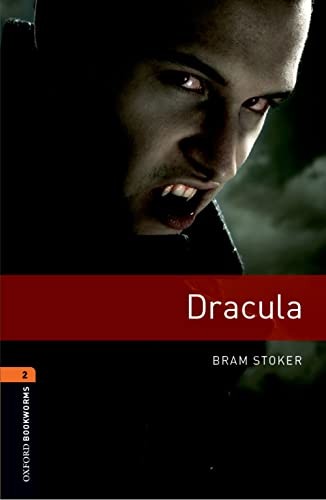
Check price of Dracula on Amazon
What to Read Next
- Frankenstein by Mary Shelley: the other great gothic monster classic
- Carmilla by Sheridan Le Fanu: an earlier vampire novella that influenced Dracula
- Salem's Lot by Stephen King: a modern vampire novel inspired by Dracula
Related: 15 Books Like Dracula You’ll Love
Frequently Asked Questions
What is Dracula about?
A vampire count moves to England, and a group of friends hunts him down.
How is Dracula told?
Through diaries, letters and newspaper clippings.
Who is Van Helsing?
A Dutch professor who leads the fight against Dracula.
How is Dracula killed?
Jonathan and Quincey strike him with knives at sunset, and he crumbles to dust.
Is Dracula based on a real person?
Stoker borrowed the name from Vlad III of Wallachia, though the character is fiction.
When was it published?
In 1897.
Is Dracula scary?
It is suspenseful and eerie rather than gory.
What is Renfield's role?
He is an asylum patient under Dracula's influence who eats insects to gain life.
Is Dracula worth reading?
It depends on what you want. The book is best for readers who want the classic vampire novel told through letters and diaries. If that describes you, it is likely a good fit. If not, the titles under What to Read Next may suit you better.