
Disclosure: As an Amazon Associate, Bookish Wisdom earns from qualifying purchases. This doesn't change our picks or your price.
Quick answer: Surveys suggest that a typical American adult reads only a handful of books a year, while the average is higher because some heavy readers finish dozens. For example, Pew Research Center surveys have found a median of about five books a year and an average of around a dozen, with roughly a quarter of adults saying they had not read any book in the past year.
Table of Contents
Key Facts
| Item | Detail |
|---|---|
| Typical (median) reader | About 5 books a year, per Pew surveys |
| Average reader | About a dozen books a year |
| Non-readers | Roughly a quarter of adults read no books in a year |
| Formats counted | Print, e-books and audiobooks |
| Why averages differ | Heavy readers raise the average |
What Reading Surveys Show
1. Median versus average
The median is the middle reader, so it shows what is typical. The average is pulled up by people who read many books, which is why it is higher.
2. Who reads the most
Surveys often find that people with more years of education and higher incomes read more books, and women read more books than men on average.
3. Formats
Print remains the most popular format, but e-books and audiobooks have grown, especially audiobooks among younger adults.
4. Age differences
Reading habits vary by age, with younger adults more likely to use audiobooks and older adults more likely to read print.
5. Changes over time
The share of adults who read at least one book a year has stayed fairly steady in recent years, though time spent reading for pleasure has declined.
6. Why it matters
Reading is linked to better vocabulary, knowledge and, for many people, lower stress.
Things That Confuse People About Reading Statistics
- Treating the average as typical. The median is a better guide.
- Ignoring audiobooks. Most surveys now include them.
- Assuming nobody reads anymore. Most adults read at least one book a year.
- Comparing different surveys directly. Methods and questions differ.
- Forgetting children. Adult surveys do not include children's reading.
Making Reading Part of Everyday Life
Small habits make the biggest difference. Keep a book where you naturally spend idle minutes, such as by the bed, in a bag or on your phone through a library app. Set a gentle goal, like ten pages a day, rather than a large number that feels like pressure. Mix formats, since audiobooks count too and can fit into commutes and chores. Let yourself stop reading books you do not enjoy, because forcing your way through them is one of the fastest ways to lose the habit. And talk about what you read with friends or a book club, since sharing a story is one of the best reasons to finish it.
If you want to read more, track what you finish in a notebook or app. Seeing a growing list is motivating, and it helps you notice what you enjoy most, so you can choose better books next time.
Finally, be patient with yourself. Reading habits grow slowly, and a few pages most days will add up to many books over a year.
It also helps to keep a list of books you want to read next. When you finish one book, you will already know what to pick up, which keeps the habit going without a gap.
Above all, choose books that match your mood and interests. Reading should feel like a reward, not a test, and the right book at the right time makes the habit easy.
Libraries are the best free resource for any reader. Librarians can suggest books, help you find formats that suit you and introduce you to digital lending apps.
Helpful Books and Resources
-
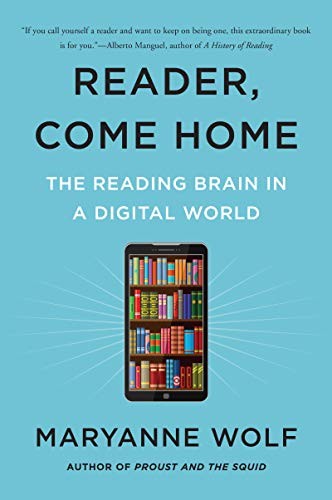
Reader, Come Home by Maryanne Wolf
-
Proust and the Squid by Maryanne Wolf
-
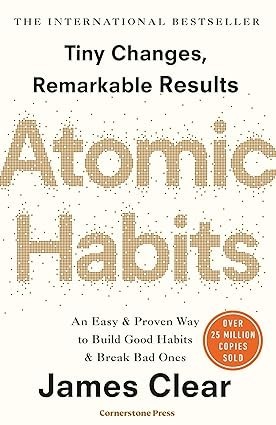
Atomic Habits by James Clear
Related: Atomic Habits by James Clear: Summary and Key Takeaways · Best Books About Native Americans for Teens: 15 Top Picks
Frequently Asked Questions
How many books does the average American read a year?
About a dozen on average, with a median of around five.
What percentage of Americans do not read books?
Roughly a quarter in recent surveys.
Who reads more, men or women?
Women read more books on average.
Do audiobooks count in surveys?
Yes, in most recent surveys.
Is reading declining?
Book reading has stayed fairly steady, but leisure reading time has declined.
What is a good reading goal?
One book a month puts you above the median.
Where do these numbers come from?
Surveys such as those by Pew Research Center and Gallup.
How can I read more?
Read a little every day and carry a book everywhere.