
Disclosure: As an Amazon Associate, Bookish Wisdom earns from qualifying purchases. This doesn't change our picks or your price.
Quick answer: Charles Dickens wrote 15 novels, from The Pickwick Papers (1836-1837) to The Mystery of Edwin Drood, which was unfinished when he died in 1870. He also wrote five short holiday novellas, hundreds of short stories and sketches, travel books, a history of England for children and a huge amount of journalism. Most of his novels first appeared in monthly or weekly installments.
Table of Contents
Key Facts
| Item | Detail |
|---|---|
| Author | Charles Dickens (1812-1870) |
| Novels | 15, one unfinished |
| First novel | The Pickwick Papers (1836-1837) |
| Last novel | The Mystery of Edwin Drood (unfinished) |
| Publishing style | Serialized in installments |
Dickens's Novels in Order
1. Early novels
The Pickwick Papers, Oliver Twist (1837-1839), Nicholas Nickleby and The Old Curiosity Shop made Dickens the most popular writer of his time, mixing comedy with sharp criticism of poverty.
2. Barnaby Rudge and Martin Chuzzlewit
A historical novel about the Gordon Riots and a satire that includes a trip to America.
3. Dombey and Son and David Copperfield (1850)
David Copperfield, partly based on Dickens's own life, was his personal favorite.
4. Bleak House, Hard Times and Little Dorrit
These darker novels attack the legal system, industrial towns and debtors' prisons.
5. Great Expectations (1861)
The story of Pip, an orphan who comes into an unexpected fortune, is among his most read novels today.
6. Our Mutual Friend and Edwin Drood
His last completed novel and an unfinished mystery whose ending is still debated.
Things That Confuse New Readers
- Starting with the longest books. Great Expectations or Oliver Twist are easier entry points.
- Expecting fast pacing. The books were written in installments with many subplots.
- Missing the humor. Dickens is very funny as well as serious.
- Ignoring the illustrations. Original illustrations by Phiz and others add charm.
- Thinking Edwin Drood has an ending. It was unfinished.
How to Keep Track of a Long Series
Series grow over time, and publishers sometimes add novellas, companion books, graphic novel versions and special editions. The simplest way to stay up to date is to check the author's or publisher's official website, which lists the current order and any announced releases. Library catalogs and apps like Libby also group books by series number, which makes it easy to borrow them in order. If you are buying a boxed set, compare the titles on the box with the full list so you know whether newer books are missing. When reading with a child, let them tick off each book as they finish it, because a visible list turns a long series into an adventure rather than a chore.
When a series has several reading orders, such as publication order and story order, there is no single right answer. Publication order shows how the author's world grew, while story order follows events from start to finish. For a first read, publication order usually works best.
Finally, remember that the best series to read is the one that keeps you turning pages. If the first book does not grab you, it is fine to stop and try another series instead.
If you are deciding whether to commit to a long series, read the first book's opening chapters for free through a library app or an online preview. Many readers also check a spoiler-free series guide before buying, so they know how many books, novellas and extras to expect.
Bookshops and libraries can also order missing titles for you, and secondhand shops are a good place to fill gaps in an older series at a low price.
Helpful Books and Resources
-
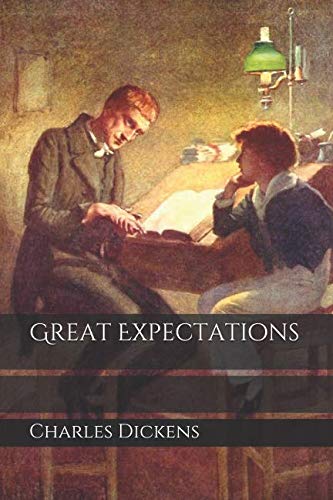
Great Expectations by Charles Dickens
-
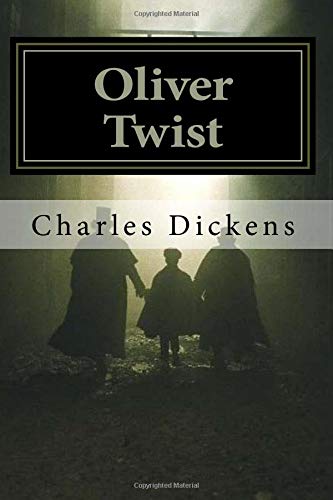
Oliver Twist by Charles Dickens
-
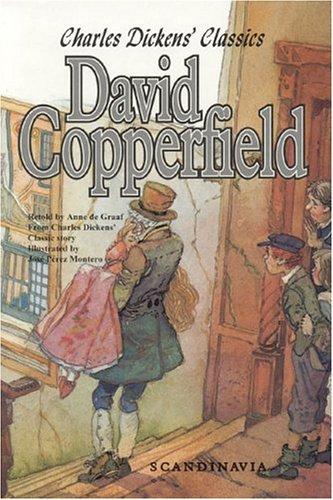
David Copperfield by Charles Dickens
Related: Great Expectations by Charles Dickens: Summary and Key Takeaways · Oliver Twist by Charles Dickens: Summary and Key Takeaways
Frequently Asked Questions
How many books did Charles Dickens write?
15 novels plus novellas, stories and nonfiction.
What was his first novel?
The Pickwick Papers.
What was his last novel?
The Mystery of Edwin Drood, unfinished.
Which Dickens novel should I read first?
Great Expectations or Oliver Twist.
What was Dickens's favorite of his books?
David Copperfield.
Why are his books so long?
They were published in installments over many months.
What themes did Dickens write about?
Poverty, injustice, childhood and social reform.
What should I read next?
Try Wilkie Collins or Elizabeth Gaskell.
Did Dickens write about his childhood?
Yes. His time working in a factory as a boy shaped David Copperfield and his concern for poor children.