
Disclosure: As an Amazon Associate, Bookish Wisdom earns from qualifying purchases. This doesn't change our picks or your price.
Quick answer: To plot a book, start with your main character, their goal and what stands in the way, then map the major turning points of the story: the setup, an inciting incident, rising complications, a midpoint shift, a crisis, a climax and a resolution. Many writers use structures such as the three-act structure, Save the Cat beats or the hero's journey as a guide. You can outline in detail before writing, discover the plot as you draft, or combine both approaches.
Table of Contents
Key Facts
| Item | Detail |
|---|---|
| Core question | Who wants what, and why can't they get it |
| Popular structures | Three acts, Save the Cat, hero's journey |
| Key beats | Inciting incident, midpoint, climax |
| Approaches | Plotter, pantser, or both |
| Tools | Index cards, outlines, software |
How to Plot a Book Step by Step
1. Define your protagonist
Know what your main character wants and fears.
2. Create conflict
Add obstacles, opponents and internal struggles.
3. Choose a structure
Use three acts or another framework as a map.
4. Plan key turning points
Decide on the inciting incident, midpoint, crisis and climax.
5. Outline scenes
List scenes that move the story forward.
6. Stay flexible
Let the plot change as you write and discover new ideas.
Plotting Mistakes Writers Make
- No clear goal. Readers need a direction.
- Too little conflict. Raise the stakes.
- Sagging middle. Use a midpoint twist.
- Rushed ending. Give the climax room.
- Forcing structure. Use frameworks as guides, not rules.
Building a Writing Habit That Lasts
Most books are finished by people who write regularly, not by people who wait for inspiration. Pick a time you can protect, even if it is only twenty minutes, and treat it like an appointment. Keep a running document of ideas so you never start from a blank page. Set a small, measurable goal, such as three hundred words a session, and track it. When you get stuck, skip ahead to a scene or section you are excited about and come back later. Finally, separate drafting from editing: write the rough version first, and fix it afterward, because trying to do both at once slows most writers down.
It also helps to know who the book is for. Write a one-sentence description of your reader and keep it beside your desk. Every time you are unsure about a scene, a word or a chapter, ask whether it serves that reader. This simple check keeps a draft focused and makes later editing much easier.
Finally, ask for feedback early. A trusted reader, writing group or teacher can spot problems you are too close to see, and fixing them in an early draft is much easier than in a finished one.
Keep every draft. Saving old versions lets you experiment freely, because you can always go back if a change does not work.
Most importantly, enjoy the process. Writing a book is a long project, and the writers who finish are usually the ones who find something to love in the daily work.
Reading widely in the form you are writing is one of the best teachers. Notice how other writers open, structure and end their work, and borrow techniques that suit your own voice.
Set a realistic deadline for each stage, such as finishing the draft, completing revisions and getting feedback. Deadlines turn a large, vague goal into a series of manageable steps, and they make it easier to notice when you need to adjust your plan.
Finally, protect your work. Back up every draft in at least two places, such as a cloud folder and an external drive, and keep a simple log of what you changed in each version. If anything goes wrong, you will lose a few minutes rather than months of writing.
Helpful Books and Resources
-
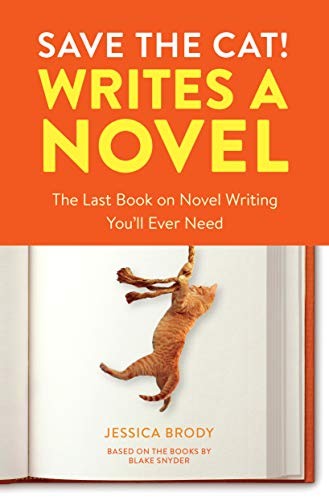
Save the Cat! Writes a Novel by Jessica Brody
-
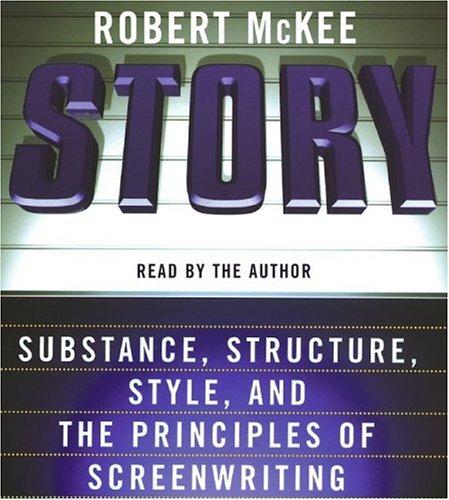
Story by Robert McKee
- Outlining Your Novel by K. M. Weiland
Related: 15 Best Horror Books with Plot Twists · 15 Books for Teens with Plot Twists Worth Reading
Frequently Asked Questions
How do I plot a book?
Define a character goal, add conflict and map turning points.
What is a plot outline?
A plan of the story's main events.
What is the three-act structure?
Setup, confrontation and resolution.
What is an inciting incident?
The event that starts the main story.
What is a midpoint?
A turning point halfway through.
What is a climax?
The story's peak moment of conflict.
What is a pantser?
A writer who discovers the plot while drafting.
What is a plotter?
A writer who outlines first.
What is Save the Cat?
A popular beat sheet structure.
What is the hero's journey?
A pattern of adventure, trial and return.
How long should an outline be?
From one page to many pages.
Can plots change while writing?
Yes, often.
What is a subplot?
A secondary storyline.
How do I fix a sagging middle?
Add a twist or raise the stakes.
Do I need a plot for literary fiction?
Yes, though it may be quieter.
What tools help plotting?
Index cards, notebooks and writing software.
What is a story beat?
A key moment of change.
How many plot points are there?
It depends on the structure.
Can I plot backwards?
Yes, start from the ending.