
Disclosure: As an Amazon Associate, Bookish Wisdom earns from qualifying purchases. This doesn't change our picks or your price.
Quick answer: To read technical books effectively, skim the table of contents and chapter summaries first to see the structure, then read actively, one section at a time, with a notebook or computer nearby. Work through examples and exercises yourself instead of only reading them, look up unfamiliar terms, and revisit difficult chapters later. Focus on the parts you need, since most technical books are reference works that do not need to be read cover to cover.
Table of Contents
Key Facts
| Item | Detail |
|---|---|
| Approach | Skim, read actively, practice |
| Key habit | Work through examples |
| Useful tools | Notebook, code editor, flashcards |
| Reading order | Not always front to back |
| Goal | Understanding and application |
How to Read Technical Books Step by Step
1. Skim first
Read the contents, introduction and chapter summaries to build a mental map.
2. Set a goal
Decide what you want to learn or build.
3. Read in short sessions
Dense material is easier in focused 30- to 45-minute blocks.
4. Do the exercises
Practice turns reading into skill.
5. Take notes
Summarize concepts in your own words and draw diagrams.
6. Review and apply
Revisit hard sections and use the knowledge in a project.
Mistakes When Reading Technical Books
- Reading passively. Practice instead.
- Trying to memorize everything. Focus on understanding.
- Skipping basics. Foundations matter.
- Reading cover to cover when not needed. Use the book as a reference.
- Ignoring errata. Check for corrections.
Making Reading Part of Everyday Life
Small habits make the biggest difference. Keep a book where you naturally spend idle minutes, such as by the bed, in a bag or on your phone through a library app. Set a gentle goal, like ten pages a day, rather than a large number that feels like pressure. Mix formats, since audiobooks count too and can fit into commutes and chores. Let yourself stop reading books you do not enjoy, because forcing your way through them is one of the fastest ways to lose the habit. And talk about what you read with friends or a book club, since sharing a story is one of the best reasons to finish it.
If you want to read more, track what you finish in a notebook or app. Seeing a growing list is motivating, and it helps you notice what you enjoy most, so you can choose better books next time.
Finally, be patient with yourself. Reading habits grow slowly, and a few pages most days will add up to many books over a year.
It also helps to keep a list of books you want to read next. When you finish one book, you will already know what to pick up, which keeps the habit going without a gap.
Above all, choose books that match your mood and interests. Reading should feel like a reward, not a test, and the right book at the right time makes the habit easy.
Libraries are the best free resource for any reader. Librarians can suggest books, help you find formats that suit you and introduce you to digital lending apps.
Talking about books also deepens understanding. Sharing a favorite passage with a friend, joining an online discussion or writing a few lines in a reading journal helps you remember what you read and notice ideas you might otherwise miss.
It can also help to vary what you read. Alternating between fiction and nonfiction, long and short books, or new releases and older favorites keeps reading fresh and introduces you to authors and ideas you might never have chosen on purpose.
Helpful Books and Resources
-
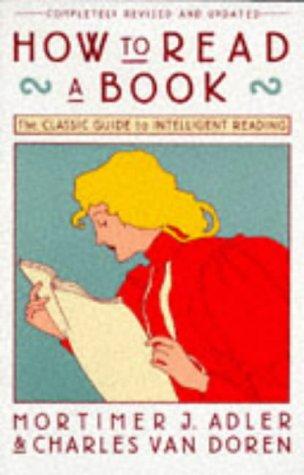
How to Read a Book by Mortimer J. Adler
-
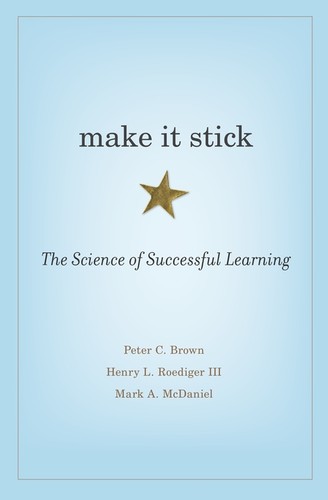
Make It Stick by Peter C. Brown
-
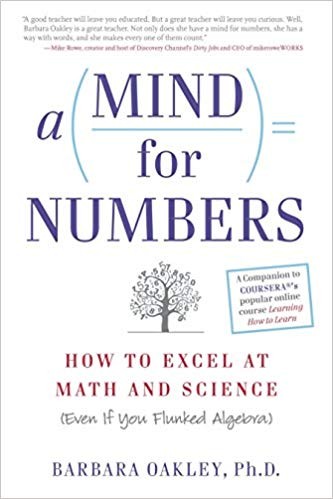
A Mind for Numbers by Barbara Oakley
Frequently Asked Questions
How do I read technical books?
Skim first, read actively and practice.
Should I read technical books cover to cover?
Not always, many are references.
How long should I read at once?
Focused sessions of 30 to 45 minutes.
Should I take notes?
Yes, in your own words.
Do exercises matter?
Yes, they turn knowledge into skill.
How do I handle hard chapters?
Read slowly, take breaks and revisit later.
What is errata?
A list of corrections for a book.
Should I read the code examples?
Type and run them yourself.
Are e-books good for technical reading?
They are searchable, though print helps some readers focus.
How do I remember what I read?
Use notes, flashcards and projects.
Should I read multiple books at once?
It can help to compare explanations.
What is spaced repetition?
Reviewing information over increasing intervals.
Can I skip chapters?
Yes, if they are not relevant.
Should I join a study group?
Groups help with motivation and questions.
What if the book is outdated?
Check newer editions or documentation.
How do I choose a technical book?
Read reviews and sample chapters.
Is video better than books?
Both help, and books often go deeper.
Should I highlight?
Highlight sparingly and summarize instead.
Should I read the preface?
Yes, it often explains who the book is for and how to use it.