
Disclosure: As an Amazon Associate, Bookish Wisdom earns from qualifying purchases. This doesn't change our picks or your price.
Quick answer: To read a book well, choose a book that fits your purpose, preview it by skimming the table of contents and introduction, read actively by asking questions and marking key passages, pause at the end of chapters to summarize, and discuss or write about it afterward. Good reading is about attention and reflection, not speed.
Table of Contents
Key Facts
| Item | Detail |
|---|---|
| Key method | Active reading |
| Before reading | Preview structure and purpose |
| During reading | Question, annotate and summarize |
| After reading | Discuss or write a short reflection |
| Classic guide | How to Read a Book by Mortimer J. Adler |
A Practical Method for Reading Well
1. Know your purpose
Reading for pleasure, study or work changes how closely you read. Decide what you want from the book.
2. Preview the book
Look at the table of contents, introduction and chapter titles to see the structure before you start.
3. Read actively
Ask questions as you read, underline key ideas and write short notes in the margins or a notebook.
4. Summarize as you go
At the end of each chapter, write or say a few sentences about what it covered.
5. Look up what confuses you
Check unfamiliar words or references so you do not lose the thread.
6. Reflect and discuss
After finishing, write a short reflection or talk about the book with someone to deepen understanding.
Common Reading Mistakes
- Reading passively. Engage with questions and notes.
- Rushing. Speed often lowers understanding.
- Skipping difficult parts. Slow down instead.
- Never reviewing. Revisit notes to remember more.
- Reading with distractions. Put your phone away.
Making Reading Part of Everyday Life
Small habits make the biggest difference. Keep a book where you naturally spend idle minutes, such as by the bed, in a bag or on your phone through a library app. Set a gentle goal, like ten pages a day, rather than a large number that feels like pressure. Mix formats, since audiobooks count too and can fit into commutes and chores. Let yourself stop reading books you do not enjoy, because forcing your way through them is one of the fastest ways to lose the habit. And talk about what you read with friends or a book club, since sharing a story is one of the best reasons to finish it.
If you want to read more, track what you finish in a notebook or app. Seeing a growing list is motivating, and it helps you notice what you enjoy most, so you can choose better books next time.
Finally, be patient with yourself. Reading habits grow slowly, and a few pages most days will add up to many books over a year.
It also helps to keep a list of books you want to read next. When you finish one book, you will already know what to pick up, which keeps the habit going without a gap.
Above all, choose books that match your mood and interests. Reading should feel like a reward, not a test, and the right book at the right time makes the habit easy.
Libraries are the best free resource for any reader. Librarians can suggest books, help you find formats that suit you and introduce you to digital lending apps.
Helpful Books and Resources
-
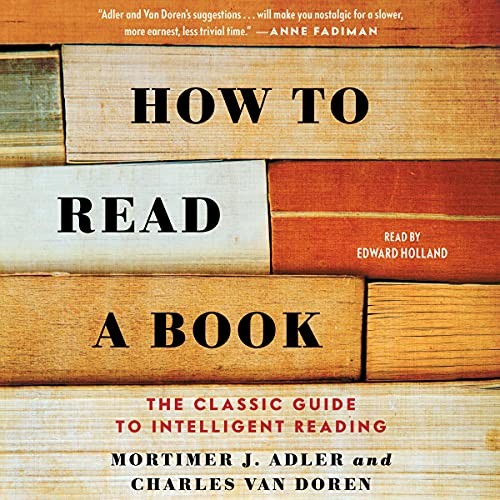
How to Read a Book by Mortimer J. Adler and Charles Van Doren
-
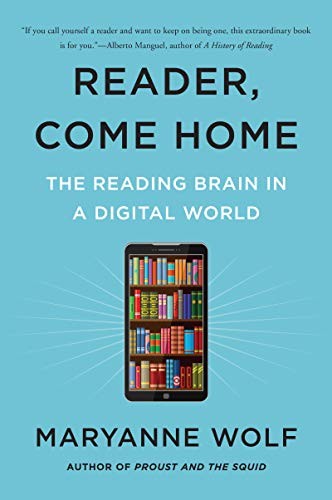
Reader, Come Home by Maryanne Wolf
-
The Shallows by Nicholas Carr
Related: 15 Best Books on Aging Well
Frequently Asked Questions
How do I read a book well?
Read actively, summarize and reflect.
What is active reading?
Engaging with the text through questions and notes.
Should I write in my books?
If they are yours, it helps many readers.
How do I remember what I read?
Summarize chapters and review notes.
How fast should I read?
At a pace that lets you understand.
What is the best book about reading?
How to Read a Book by Mortimer J. Adler and Charles Van Doren.
Should I read fiction differently from nonfiction?
Yes. Fiction rewards attention to character and mood, while nonfiction rewards notes on ideas.
Is rereading worthwhile?
Yes, especially for important books.
How long should I read at once?
Thirty to sixty minutes works well for focus.
Do audiobooks work for close reading?
They work best for stories and lighter nonfiction.
Should I take notes digitally?
Either works. Choose what you will review.