
Disclosure: As an Amazon Associate, Bookish Wisdom earns from qualifying purchases. This doesn't change our picks or your price.
Quick answer: If you want to start reading, begin with short, gripping books on topics you already enjoy. Great choices for beginners include The Martian by Andy Weir, Of Mice and Men by John Steinbeck, Holes by Louis Sachar, The Little Prince by Antoine de Saint-Exupéry, Eleanor Oliphant Is Completely Fine by Gail Honeyman and Atomic Habits by James Clear for nonfiction. Choosing books you enjoy matters more than choosing important ones.
Table of Contents
Key Facts
| Item | Detail |
|---|---|
| Short fiction | Of Mice and Men, The Little Prince |
| Page-turners | The Martian, The Silent Patient |
| Feel-good novels | Eleanor Oliphant Is Completely Fine, A Man Called Ove |
| Nonfiction | Atomic Habits, Into Thin Air |
| Key rule | Read what you enjoy |
Great First Books for New Readers
1. The Martian by Andy Weir
A stranded astronaut uses science and humor to survive on Mars. Short chapters and jokes keep it moving.
2. Of Mice and Men by John Steinbeck
A short, moving classic about friendship and dreams, readable in a few sittings.
3. The Little Prince by Antoine de Saint-Exupéry
A brief, gentle story full of wisdom about love and friendship.
4. Eleanor Oliphant Is Completely Fine by Gail Honeyman
A funny and touching novel about loneliness and kindness.
5. Atomic Habits by James Clear
Clear, practical nonfiction about building better habits, with short chapters.
6. The Silent Patient by Alex Michaelides
A fast psychological thriller with a famous twist.
Mistakes Beginners Make
- Starting with long classics. Begin short.
- Forcing yourself through boring books. Quit and try another.
- Reading only at night when tired. Try reading during calmer moments.
- Ignoring audiobooks and graphic novels. They count.
- Setting huge goals. Start with one book a month.
Making Reading Part of Everyday Life
Small habits make the biggest difference. Keep a book where you naturally spend idle minutes, such as by the bed, in a bag or on your phone through a library app. Set a gentle goal, like ten pages a day, rather than a large number that feels like pressure. Mix formats, since audiobooks count too and can fit into commutes and chores. Let yourself stop reading books you do not enjoy, because forcing your way through them is one of the fastest ways to lose the habit. And talk about what you read with friends or a book club, since sharing a story is one of the best reasons to finish it.
If you want to read more, track what you finish in a notebook or app. Seeing a growing list is motivating, and it helps you notice what you enjoy most, so you can choose better books next time.
Finally, be patient with yourself. Reading habits grow slowly, and a few pages most days will add up to many books over a year.
It also helps to keep a list of books you want to read next. When you finish one book, you will already know what to pick up, which keeps the habit going without a gap.
Above all, choose books that match your mood and interests. Reading should feel like a reward, not a test, and the right book at the right time makes the habit easy.
Libraries are the best free resource for any reader. Librarians can suggest books, help you find formats that suit you and introduce you to digital lending apps.
Helpful Books and Resources
-
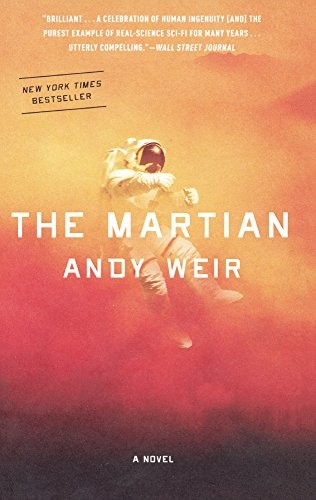
The Martian by Andy Weir
-
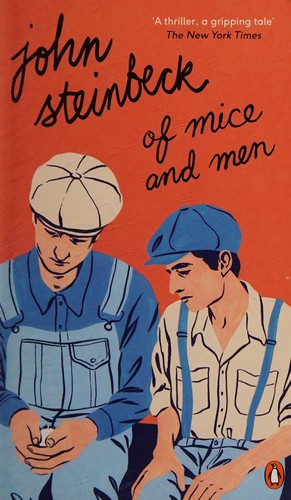
Of Mice and Men by John Steinbeck
-
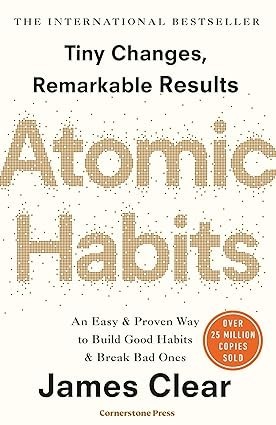
Atomic Habits by James Clear
Related: The Martian by Andy Weir: Summary and Key Takeaways · Of Mice and Men by John Steinbeck: Summary and Key Takeaways
Frequently Asked Questions
What should beginners read first?
Short, gripping books on topics you enjoy.
What is an easy first novel?
The Martian or Of Mice and Men.
What nonfiction is good for beginners?
Atomic Habits.
How long should I read each day?
Even ten to twenty minutes helps.
Do audiobooks count?
Yes.
What if I lose interest?
Switch books.
Should I read on a phone?
It works, but notifications can distract.
How do I find books I will like?
Think about favorite films and shows, and try books in similar genres.
Are short books okay?
Yes. They build momentum.
Where can I get books free?
Your local library.
Can I start with young adult books?
Yes. Many adults enjoy them.
What if I read slowly?
Speed improves with practice.